


Home
Leverage and Cooperation The US World Order: Shrewd Sheriff
Barnes and Noble
Loading Inventory...

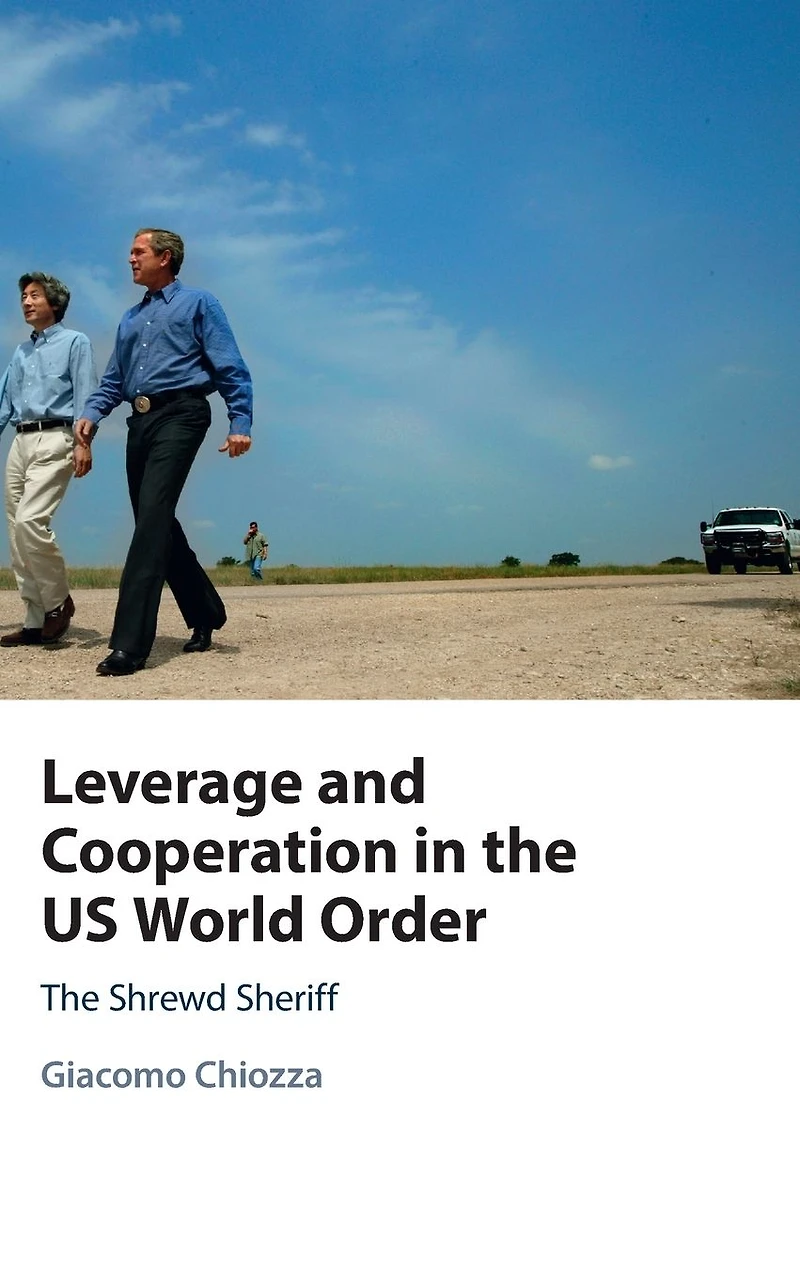
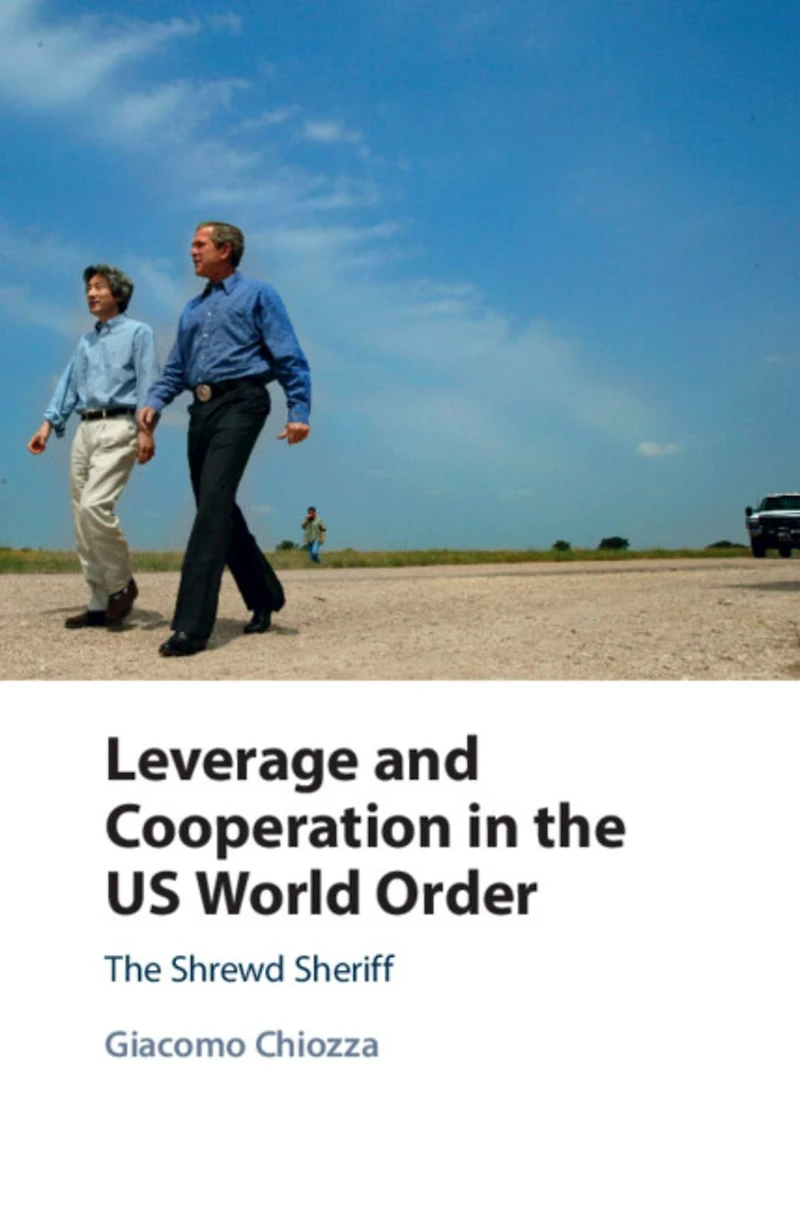
Leverage and Cooperation The US World Order: Shrewd Sheriff in Bloomington, MN
By Barnes & Noble
Current price: $39.99

Leverage and Cooperation The US World Order: Shrewd Sheriff in Bloomington, MN
Current price: $39.99
Loading Inventory...
Size: EBook
Since the end of World War II, the United States has maintained a unique system of partnerships and alliances, known as the US world order. Within this order, it has sought both compliance from, and consensus with, its partners. Sometimes it has achieved both, sometimes one but not the other, and sometimes neither. What accounts for this variation in hegemonic leadership? Giacomo Chiozza suggests that the answer depends on the domestic political institutions that structure US relations with the incumbent leaders in the partner nations. Domestic political institutions that foster political successors and allow for regular and flexible channels of leadership turnover make it easier for the US to sustain friendly relations. However, unexpectedly, institutions that allow for regular and flexible channels of leadership turnover also create domestic political incentives that foster the attainment of better governance and more respect of human rights.
Since the end of World War II, the United States has maintained a unique system of partnerships and alliances, known as the US world order. Within this order, it has sought both compliance from, and consensus with, its partners. Sometimes it has achieved both, sometimes one but not the other, and sometimes neither. What accounts for this variation in hegemonic leadership? Giacomo Chiozza suggests that the answer depends on the domestic political institutions that structure US relations with the incumbent leaders in the partner nations. Domestic political institutions that foster political successors and allow for regular and flexible channels of leadership turnover make it easier for the US to sustain friendly relations. However, unexpectedly, institutions that allow for regular and flexible channels of leadership turnover also create domestic political incentives that foster the attainment of better governance and more respect of human rights.











Find at Mall of America® in Bloomington, MN
Visit at Mall of America® in Bloomington, MN