


Home
Legal Origins and the Efficiency Dilemma
Barnes and Noble
Loading Inventory...
Legal Origins and the Efficiency Dilemma in Bloomington, MN
By Barnes & Noble
Current price: $65.99

Legal Origins and the Efficiency Dilemma in Bloomington, MN
Current price: $65.99
Loading Inventory...
Size: EBook
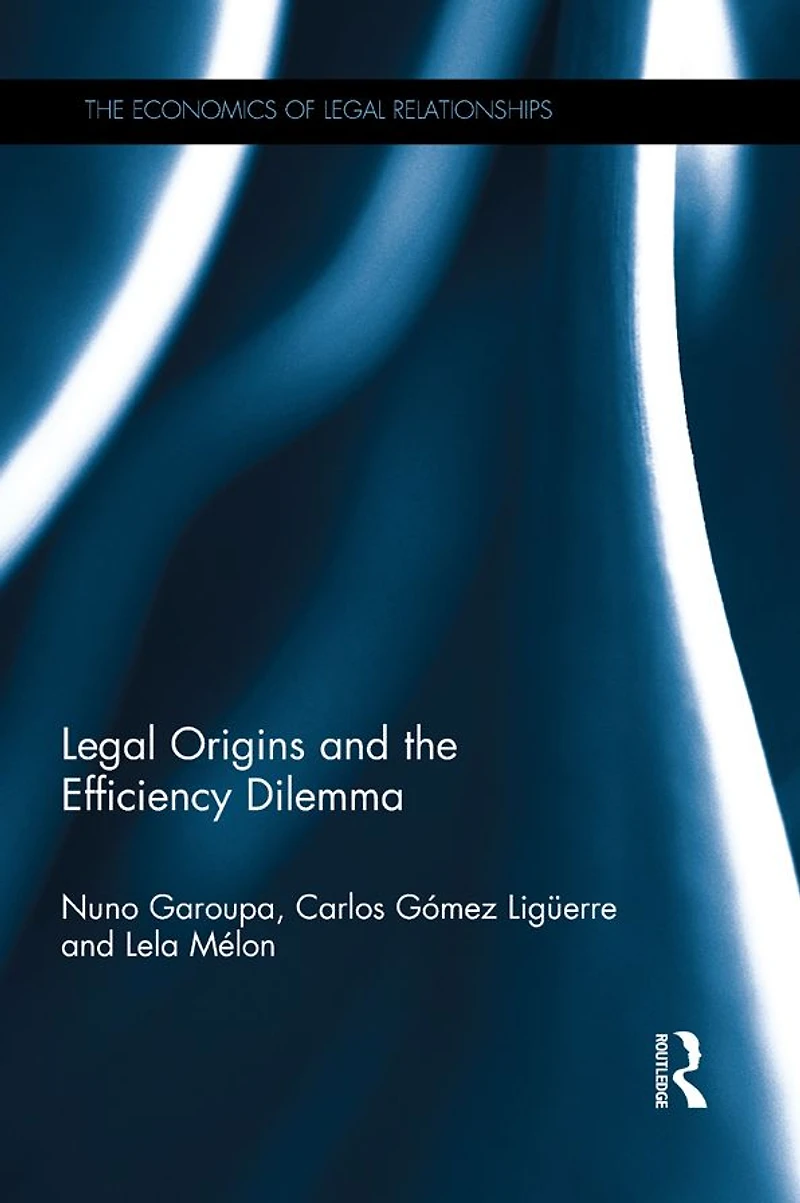
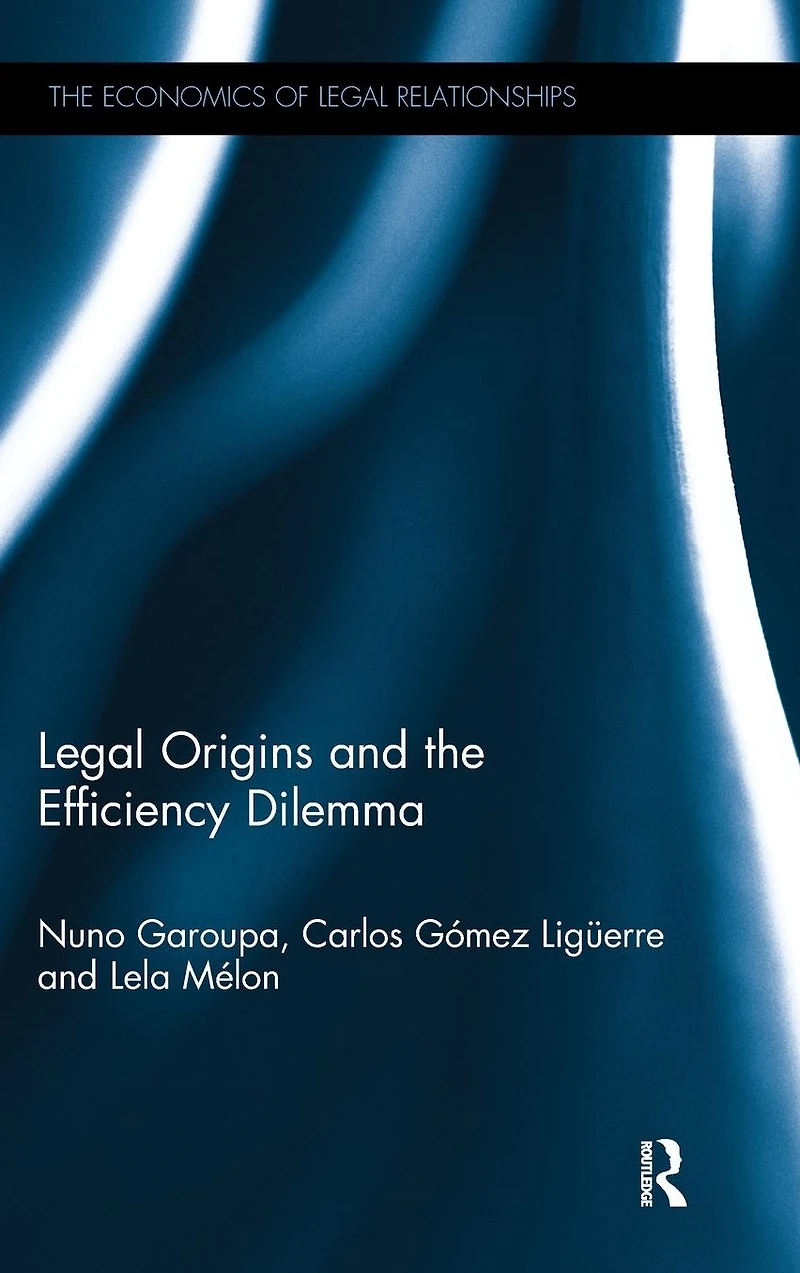
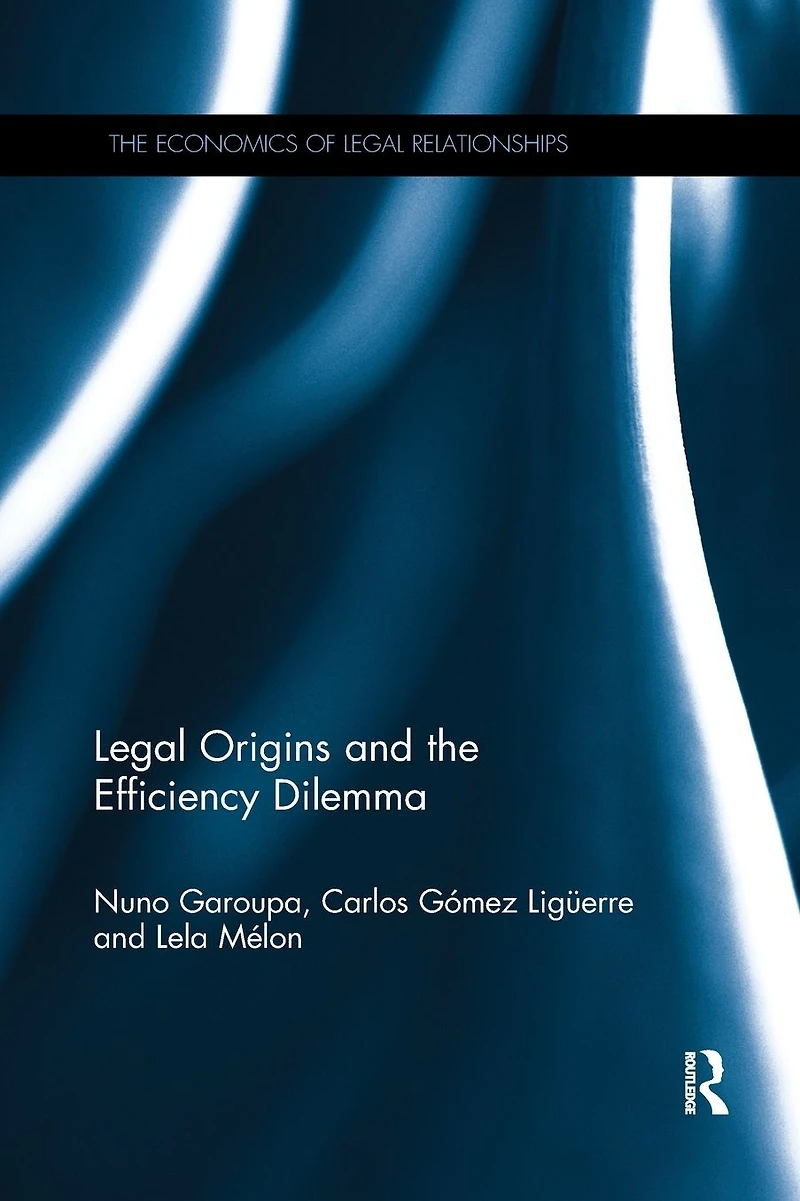
Economists advise that the law should seek efficiency. More recently, it has been suggested that common law systems are more conducive of economic growth than code-based civil law systems. This book argues that there is no theory to support such statements and provides evidence that rejects a 'one-size-fits-all' approach. Both common law and civil law systems are reviewed to debunk the relationship between the efficiency of the common law hypothesis and the alleged inferiority of codified law systems. Legal Origins and the Efficiency Dilemma has six aims: explaining the efficiency hypothesis of the common law since Posner’s 1973 book; summarizing the legal origins theory in the context of economic growth; debunking their relationship; discussing the meaning of 'common law' and the problems with the efficiency hypothesis by comparing laws across English speaking jurisdictions; illustrating the shortcomings of the legal origins theory with a comparative law and economics analysis; and concluding there is no theory and evidence to support the economic superiority of common law systems. Based on previous pieces by the authors, this book expands their work by including new areas of analysis (such as trusts), detailing previous analysis (such as French law versus common law in the areas of contract, property and torts), and updating for recent developments in the academic discourse.This volume is of interest to academics and students who study microeconomics, comparative law and foundations of law, as well as legal policy analysts.
Economists advise that the law should seek efficiency. More recently, it has been suggested that common law systems are more conducive of economic growth than code-based civil law systems. This book argues that there is no theory to support such statements and provides evidence that rejects a 'one-size-fits-all' approach. Both common law and civil law systems are reviewed to debunk the relationship between the efficiency of the common law hypothesis and the alleged inferiority of codified law systems. Legal Origins and the Efficiency Dilemma has six aims: explaining the efficiency hypothesis of the common law since Posner’s 1973 book; summarizing the legal origins theory in the context of economic growth; debunking their relationship; discussing the meaning of 'common law' and the problems with the efficiency hypothesis by comparing laws across English speaking jurisdictions; illustrating the shortcomings of the legal origins theory with a comparative law and economics analysis; and concluding there is no theory and evidence to support the economic superiority of common law systems. Based on previous pieces by the authors, this book expands their work by including new areas of analysis (such as trusts), detailing previous analysis (such as French law versus common law in the areas of contract, property and torts), and updating for recent developments in the academic discourse.This volume is of interest to academics and students who study microeconomics, comparative law and foundations of law, as well as legal policy analysts.















Find at Mall of America® in Bloomington, MN
Visit at Mall of America® in Bloomington, MN