


Home
Legacies of the Stone Guest: The Don Juan Legend in Russian Literature
Barnes and Noble
Loading Inventory...
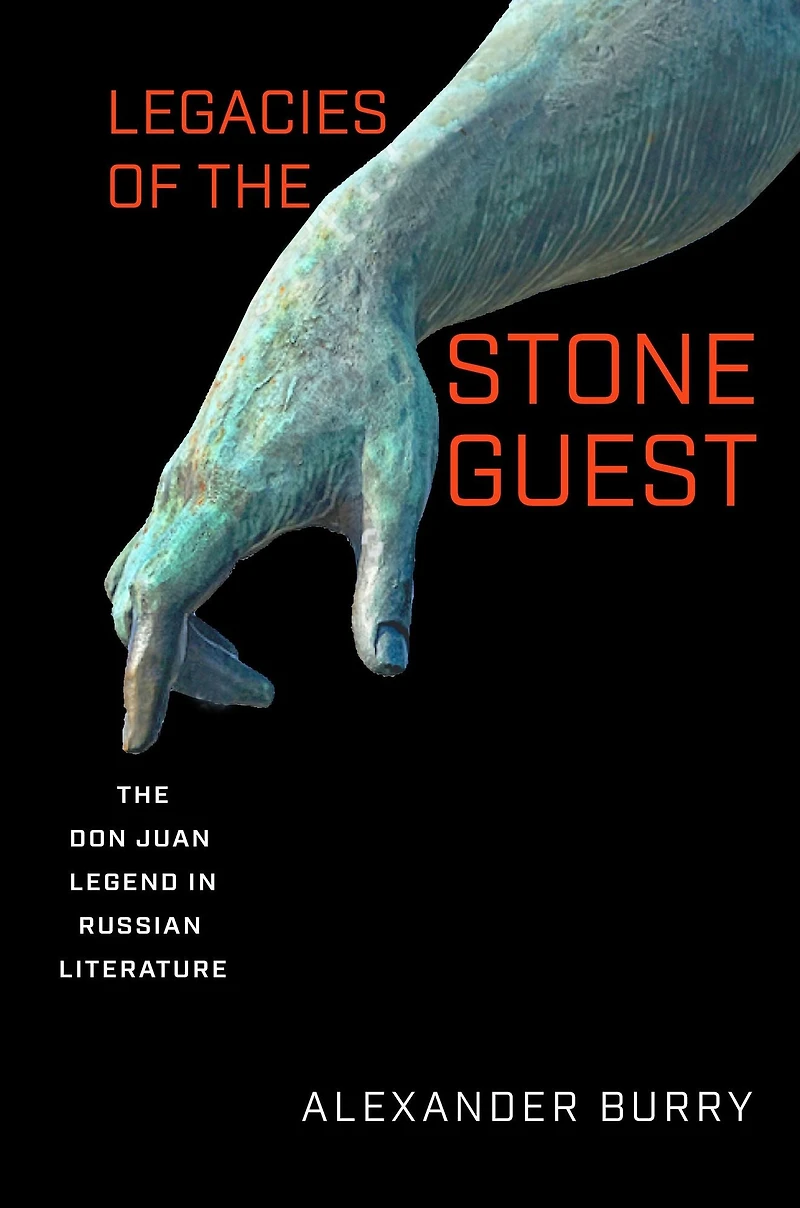
Legacies of the Stone Guest: The Don Juan Legend in Russian Literature in Bloomington, MN
By Barnes & Noble
Current price: $99.95

Legacies of the Stone Guest: The Don Juan Legend in Russian Literature in Bloomington, MN
Current price: $99.95
Loading Inventory...
Size: Hardcover
The story of Don Juan first appeared in writing in seventeenth-century Spain, reaching Russia about a century later. Its real impact, however, was delayed until Russia’s most famous poet, Alexander Pushkin, put his own, unique, and uniquely inspirational, spin on the tale. Published in 1830, TheStone Guest is now recognized, with other Pushkin masterpieces, as part of the Russian literary canon. Alexander Burry traces the influence of Pushkin’s brilliant innovations to the legend, which he shows have proven repeatedly fruitful through successive ages of Russian literature, from the Realist to the Silver Age, Soviet, and contemporary periods. Burry shows that, rather than creating a simple retelling of an originally religious tale about a sinful, consummate seducer, Pushkin offered open-ended scenes, re-envisioned and complicated characters, and new motifs that became recursive and productive parts of Russian literature, in ways that even Pushkin himself could never have predicted.
The story of Don Juan first appeared in writing in seventeenth-century Spain, reaching Russia about a century later. Its real impact, however, was delayed until Russia’s most famous poet, Alexander Pushkin, put his own, unique, and uniquely inspirational, spin on the tale. Published in 1830, TheStone Guest is now recognized, with other Pushkin masterpieces, as part of the Russian literary canon. Alexander Burry traces the influence of Pushkin’s brilliant innovations to the legend, which he shows have proven repeatedly fruitful through successive ages of Russian literature, from the Realist to the Silver Age, Soviet, and contemporary periods. Burry shows that, rather than creating a simple retelling of an originally religious tale about a sinful, consummate seducer, Pushkin offered open-ended scenes, re-envisioned and complicated characters, and new motifs that became recursive and productive parts of Russian literature, in ways that even Pushkin himself could never have predicted.
Shop Similar Products











Find at Mall of America® in Bloomington, MN
Visit at Mall of America® in Bloomington, MN