


Home
Latecomer State Formation: Political Geography and Capacity Failure Latin America
Barnes and Noble
Loading Inventory...
Latecomer State Formation: Political Geography and Capacity Failure Latin America in Bloomington, MN
By Barnes & Noble
Current price: $50.00

Latecomer State Formation: Political Geography and Capacity Failure Latin America in Bloomington, MN
Current price: $50.00
Loading Inventory...
Size: EBook
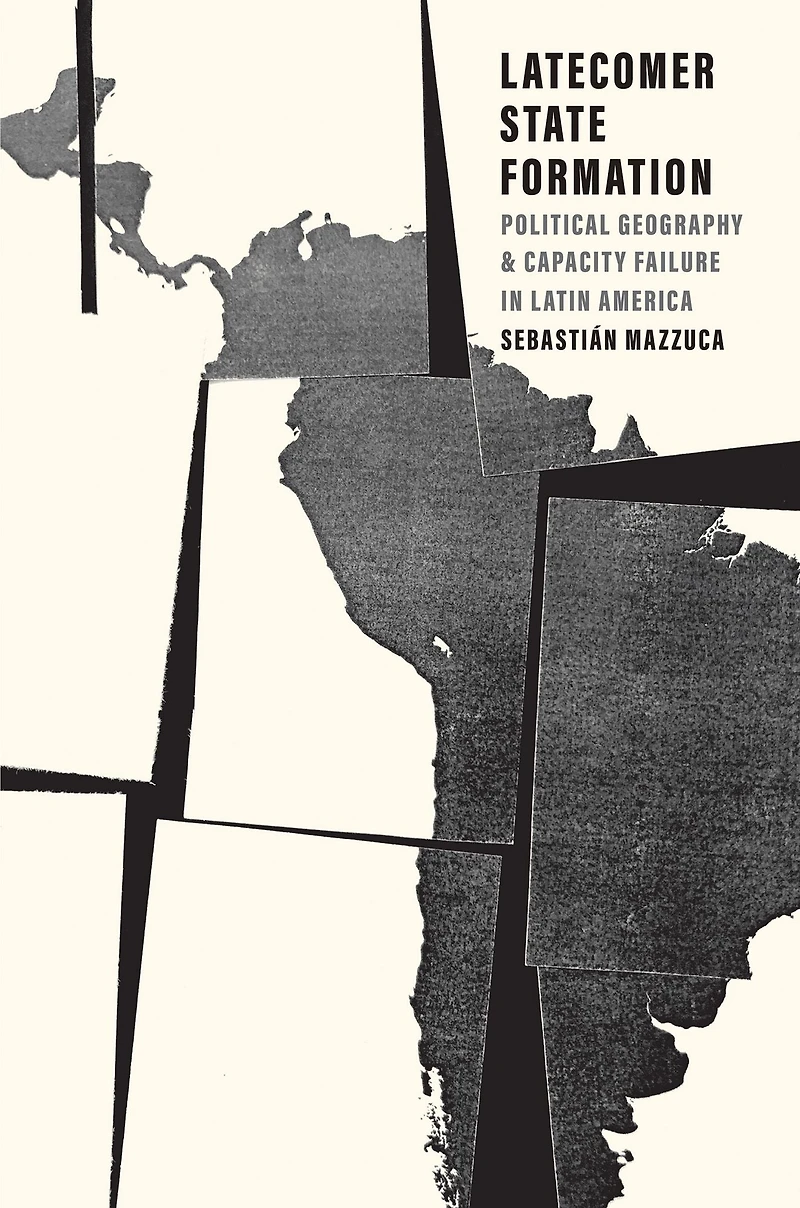
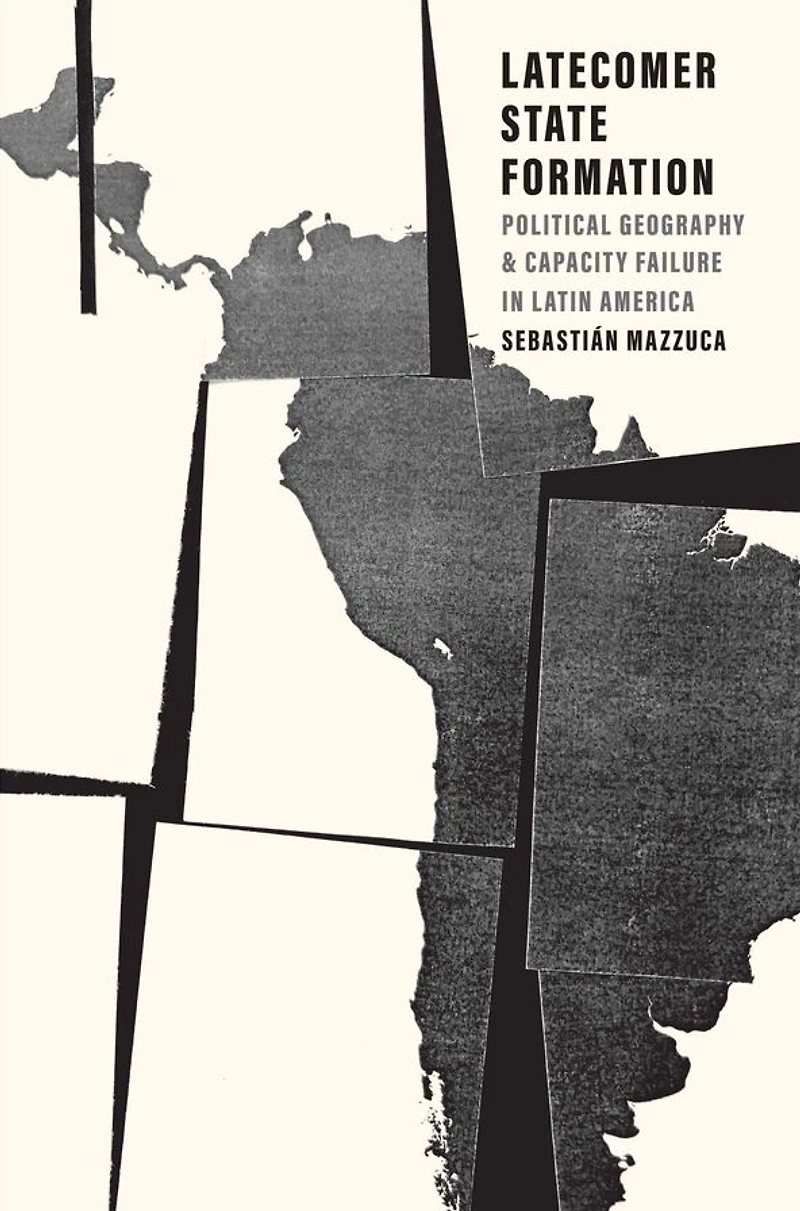
A major contribution to the field of comparative state formation and the scholarship on longterm political development of Latin America“Ambitious and rich. . . . A sweeping and general theory of state formation and detailed historical reconstruction of essential events in Latin American political development. It combines structural elements with a novel emphasis on the political incentives and bargaining that shaped the map we have today.”—Hillel David Soifer, Governance Latin American governments systematically fail to provide the key public goods for their societies to prosper. Sebastián Mazzuca argues that the secret of Latin America’s failure is that its states were “born weak,” in contrast to states in western Europe, North America, and Japan. State formation in postIndependence Latin America occurred in a period when capitalism, rather than war, was the key driver forging countries. In pursuing the shortterm benefits of international trade, Latin American leaders created states with chronic weaknesses, notably patrimonial administrations and dysfunctional regional combinations. Mazzuca analyzes pathways leading to variations in country size and level of pacification: “portled” state formation in Argentina and Brazil; “partyled” in Mexico, Colombia, and Uruguay; and “lordled” in Central America, Venezuela, and Peru.
A major contribution to the field of comparative state formation and the scholarship on longterm political development of Latin America“Ambitious and rich. . . . A sweeping and general theory of state formation and detailed historical reconstruction of essential events in Latin American political development. It combines structural elements with a novel emphasis on the political incentives and bargaining that shaped the map we have today.”—Hillel David Soifer, Governance Latin American governments systematically fail to provide the key public goods for their societies to prosper. Sebastián Mazzuca argues that the secret of Latin America’s failure is that its states were “born weak,” in contrast to states in western Europe, North America, and Japan. State formation in postIndependence Latin America occurred in a period when capitalism, rather than war, was the key driver forging countries. In pursuing the shortterm benefits of international trade, Latin American leaders created states with chronic weaknesses, notably patrimonial administrations and dysfunctional regional combinations. Mazzuca analyzes pathways leading to variations in country size and level of pacification: “portled” state formation in Argentina and Brazil; “partyled” in Mexico, Colombia, and Uruguay; and “lordled” in Central America, Venezuela, and Peru.
Shop Similar Products








Find at Mall of America® in Bloomington, MN
Visit at Mall of America® in Bloomington, MN