


Home
Kantian Genesis of the Problem Scientific Education: Emergence, Development and Future Prospects
Barnes and Noble
Loading Inventory...
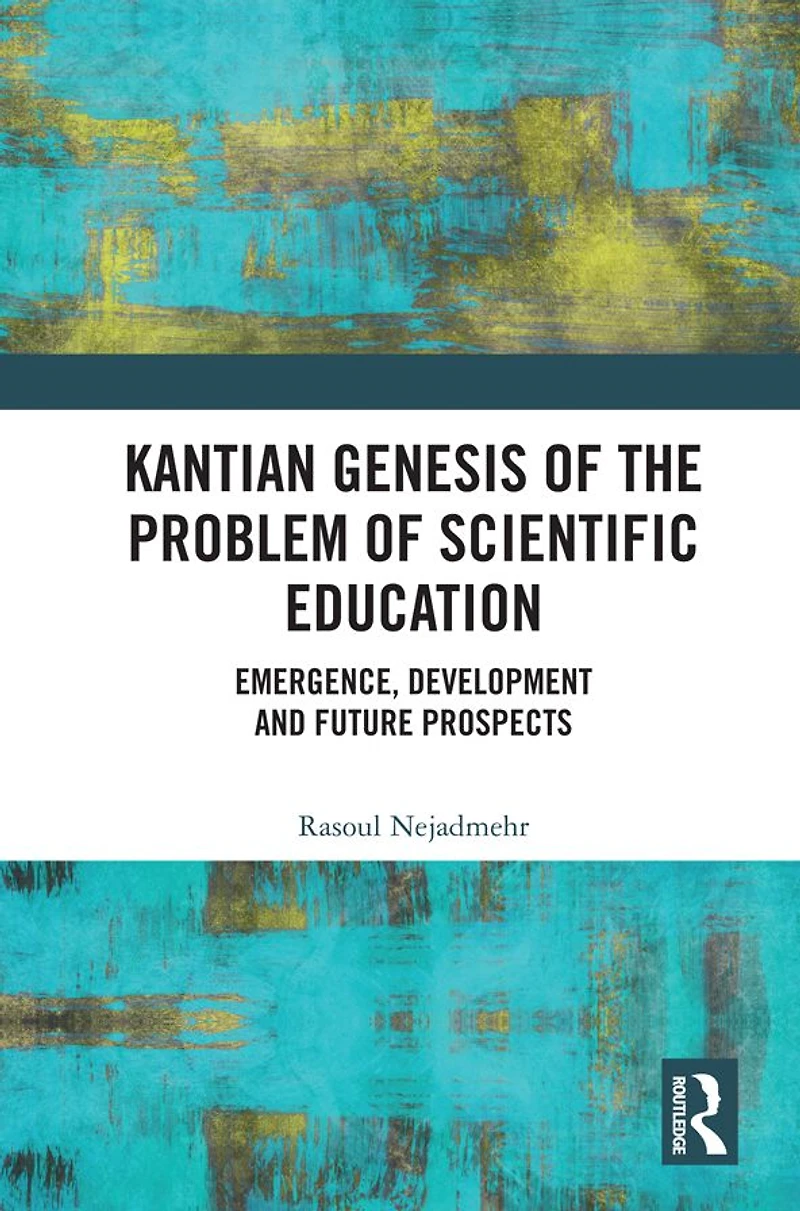

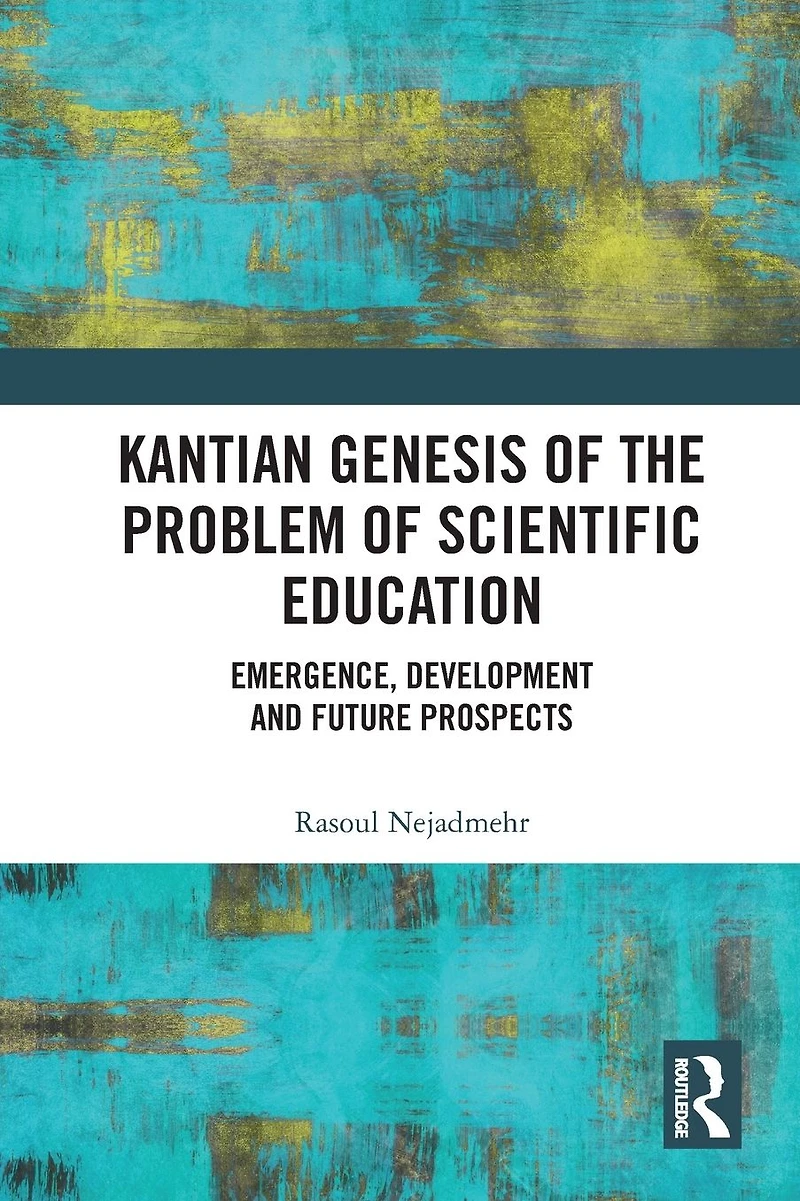
Kantian Genesis of the Problem Scientific Education: Emergence, Development and Future Prospects in Bloomington, MN
By Barnes & Noble
Current price: $57.99

Kantian Genesis of the Problem Scientific Education: Emergence, Development and Future Prospects in Bloomington, MN
Current price: $57.99
Loading Inventory...
Size: EBook
Kantian Genesis of the Problem of Scientific Education terms the dominant educational paradigm of our time as scientific education and subjects it to historical analysis to bring its tacit racial, colonial and Eurocentric biases into view. Using archaeology and genealogy as tools of investigation, it traces the emergence of scientific education and related racial and colonial inequities in Western modernity, especially in the works of the defining figure of Western Enlightenment, Immanuel Kant.The book addresses the key role played by Kant in establishing a Eurocentric rational notion of the human being. It also reveals genealogical continuities between Kantian and neoliberal rationality of the all-embracing market of today. It discusses several strategies for resistance against the imperial rationality based on decolonial and postcolonial perspectives and suggests basic principles for a shift of paradigm in education, including shifts in our understanding of the notions of criticism, freedom, the universal, art and the human being. This book will be of great interest for academics and researchers and post graduate students in the fields of education, philosophy, and philosophy of education.
Kantian Genesis of the Problem of Scientific Education terms the dominant educational paradigm of our time as scientific education and subjects it to historical analysis to bring its tacit racial, colonial and Eurocentric biases into view. Using archaeology and genealogy as tools of investigation, it traces the emergence of scientific education and related racial and colonial inequities in Western modernity, especially in the works of the defining figure of Western Enlightenment, Immanuel Kant.The book addresses the key role played by Kant in establishing a Eurocentric rational notion of the human being. It also reveals genealogical continuities between Kantian and neoliberal rationality of the all-embracing market of today. It discusses several strategies for resistance against the imperial rationality based on decolonial and postcolonial perspectives and suggests basic principles for a shift of paradigm in education, including shifts in our understanding of the notions of criticism, freedom, the universal, art and the human being. This book will be of great interest for academics and researchers and post graduate students in the fields of education, philosophy, and philosophy of education.
Shop Similar Products











Find at Mall of America® in Bloomington, MN
Visit at Mall of America® in Bloomington, MN