


Home
Kant and Parfit: The Groundwork of Morals
Barnes and Noble
Loading Inventory...
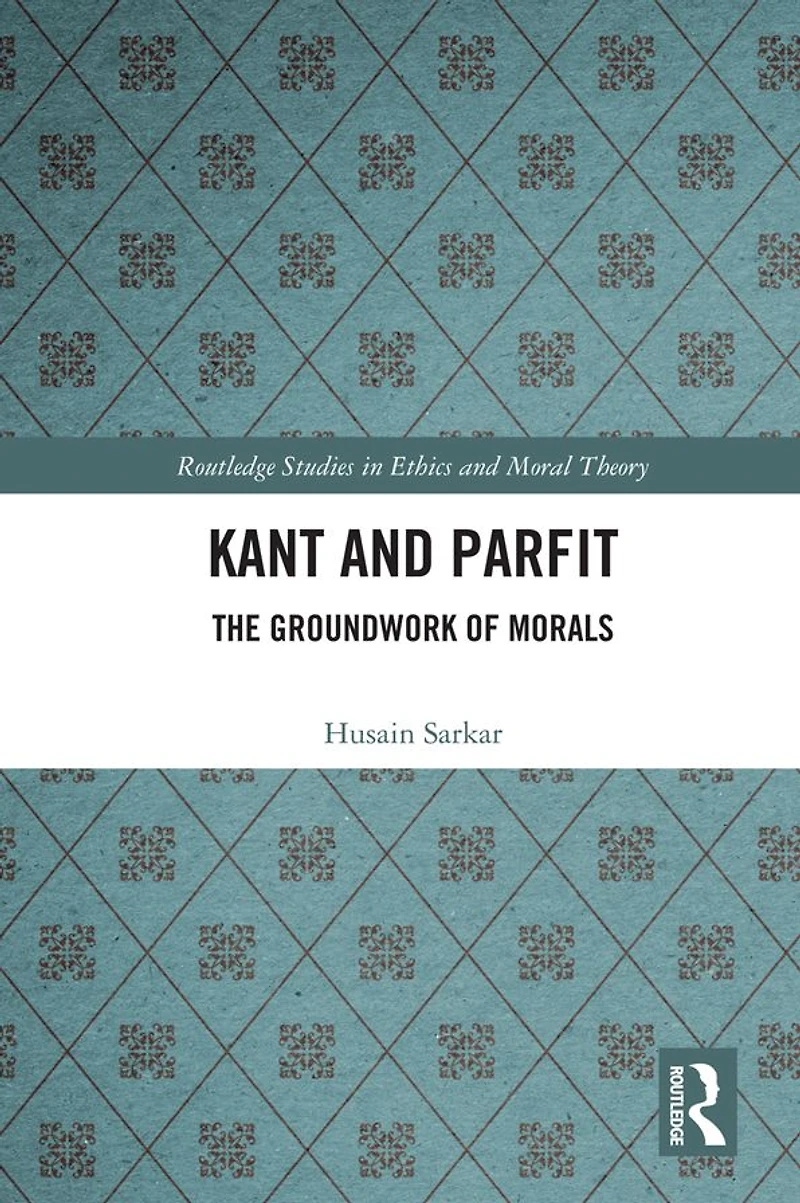
Kant and Parfit: The Groundwork of Morals in Bloomington, MN
By Barnes & Noble
Current price: $63.99

Kant and Parfit: The Groundwork of Morals in Bloomington, MN
Current price: $63.99
Loading Inventory...
Size: EBook
Derek Parfit’s On What Matters is widely recognized as elegant, profound, and destined to change the landscape of moral philosophy. In Volume One, Parfit argues that the distinct—indeed, powerfully conflicting—theories of deontology and contractualism can be woven together in a way so as to yield utilitarian conclusions. Husain Sarkar in this book calls this, The Ultimate Derivation. Sarkar argues, however, that this derivation is untenable. To underwrite this conclusion, this book traverses considerable Parfitian terrain. Sarkar shows why Parfit hasn’t quite solved what Sidgwick had called "the profoundest problem in ethics"; he offers a reading of Kant, Rawls, and Scanlon that reveals Parfit’s keen utilitarian bias; and he demonstrates why Parfit’s Triple Theory does not succeed in its task of unifying conflicting moral theories (without making substantial utilitarian assumptions). The final chapter of the book is about meta-ethics. It shows that Parfit’s Convergence Principle is mistaken even though it unveils Parfit’s utterly humane concerns: Moral philosophers are not, as Parfit thinks, climbing the same mountain. But for all that, Sarkar maintains, Parfit’s book is arguably the greatest consequential tract in the history of moral philosophy.
Derek Parfit’s On What Matters is widely recognized as elegant, profound, and destined to change the landscape of moral philosophy. In Volume One, Parfit argues that the distinct—indeed, powerfully conflicting—theories of deontology and contractualism can be woven together in a way so as to yield utilitarian conclusions. Husain Sarkar in this book calls this, The Ultimate Derivation. Sarkar argues, however, that this derivation is untenable. To underwrite this conclusion, this book traverses considerable Parfitian terrain. Sarkar shows why Parfit hasn’t quite solved what Sidgwick had called "the profoundest problem in ethics"; he offers a reading of Kant, Rawls, and Scanlon that reveals Parfit’s keen utilitarian bias; and he demonstrates why Parfit’s Triple Theory does not succeed in its task of unifying conflicting moral theories (without making substantial utilitarian assumptions). The final chapter of the book is about meta-ethics. It shows that Parfit’s Convergence Principle is mistaken even though it unveils Parfit’s utterly humane concerns: Moral philosophers are not, as Parfit thinks, climbing the same mountain. But for all that, Sarkar maintains, Parfit’s book is arguably the greatest consequential tract in the history of moral philosophy.








Find at Mall of America® in Bloomington, MN
Visit at Mall of America® in Bloomington, MN