


Home
Just Words: The Effectiveness of Civil Justice European Human Rights Jurisprudence
Barnes and Noble
Loading Inventory...
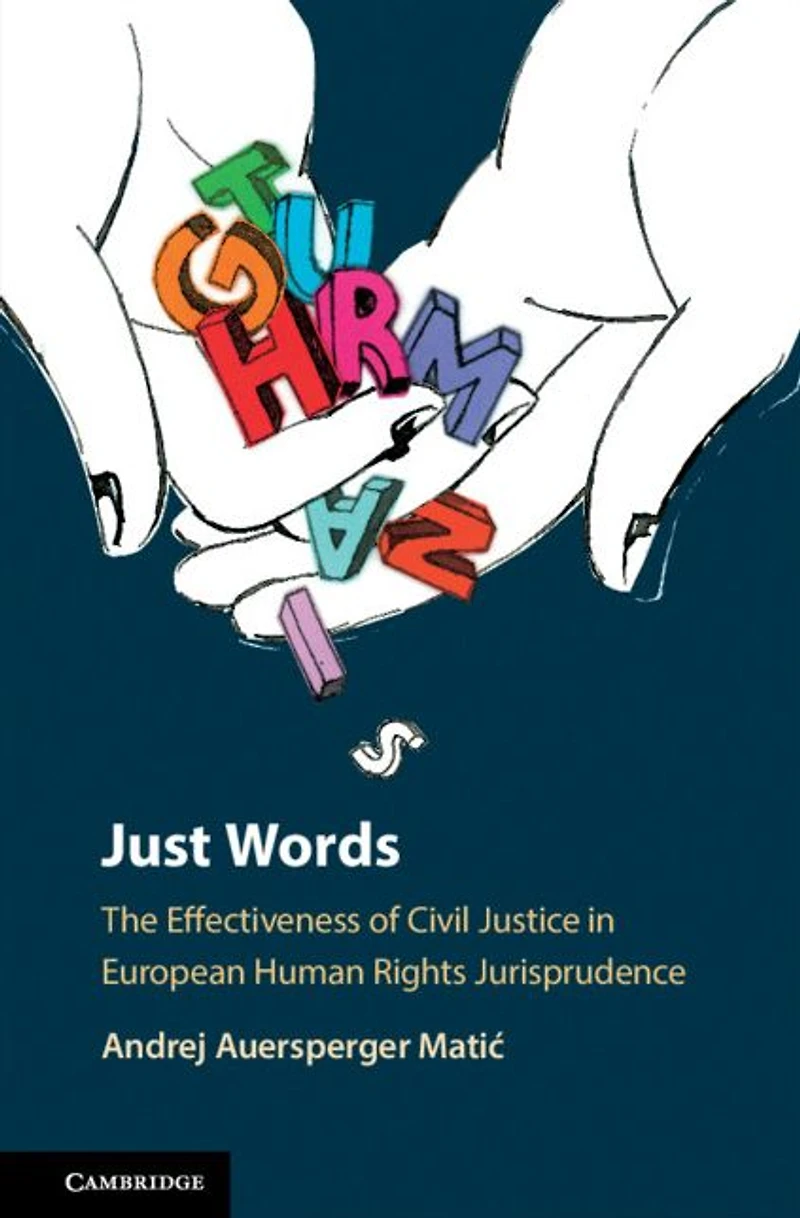
Just Words: The Effectiveness of Civil Justice European Human Rights Jurisprudence in Bloomington, MN
By Barnes & Noble
Current price: $39.99

Just Words: The Effectiveness of Civil Justice European Human Rights Jurisprudence in Bloomington, MN
Current price: $39.99
Loading Inventory...
Size: EBook
This book examines the role of the European Court of Human Rights in promoting standards of effective civil justice in Europe. It defines judicial effectiveness as composed of three main components, namely the length, cost and predictability of proceedings. Following a comprehensive review of the relevant case law, the book argues that the legal standards established by the Court in these areas are rather modest, and that the legal reasoning behind them is predominantly formalist. Rather than developing an understanding of the relevant policy choices that determine the institutional framework of civil justice, the Court bases its decisions on abstract concepts like 'reasonable time', 'access to court' and 'legal certainty'. By sidelining the key institutional issues such as resource allocation and incentives, the Court has produced a largely theoretical case law that actually has little value for persons who wish to enforce their rights in courts.
This book examines the role of the European Court of Human Rights in promoting standards of effective civil justice in Europe. It defines judicial effectiveness as composed of three main components, namely the length, cost and predictability of proceedings. Following a comprehensive review of the relevant case law, the book argues that the legal standards established by the Court in these areas are rather modest, and that the legal reasoning behind them is predominantly formalist. Rather than developing an understanding of the relevant policy choices that determine the institutional framework of civil justice, the Court bases its decisions on abstract concepts like 'reasonable time', 'access to court' and 'legal certainty'. By sidelining the key institutional issues such as resource allocation and incentives, the Court has produced a largely theoretical case law that actually has little value for persons who wish to enforce their rights in courts.
Shop Similar Products










Find at Mall of America® in Bloomington, MN
Visit at Mall of America® in Bloomington, MN