


Home
Joan Mart� de Figuerola: Works (1519-1521): Disputas. Lumbre de Fe Contra La Secta Mahom�tica Y El Alcor�n. Volume 1
Barnes and Noble
Loading Inventory...
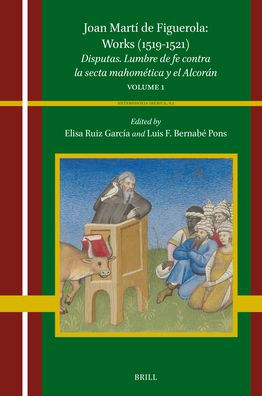
Joan Mart� de Figuerola: Works (1519-1521): Disputas. Lumbre de Fe Contra La Secta Mahom�tica Y El Alcor�n. Volume 1 in Bloomington, MN
Current price: $253.00

Joan Mart� de Figuerola: Works (1519-1521): Disputas. Lumbre de Fe Contra La Secta Mahom�tica Y El Alcor�n. Volume 1 in Bloomington, MN
Current price: $253.00
Loading Inventory...
Size: OS
Lumbre de fe
is the most extensive and articulate text of polemic against Islam written during the 16th century in Spanish in the Iberian Peninsula. The work is the result of the preaching task carried out by Joan Martí de Figuerola for the conversion of the Mudejars of Zaragoza between 1517 and 1518, a task that brought Figuerola into numerous confrontations with both ecclesiastical and secular authorities in Aragon for disturbing the coexistence between the two confessions.
also stands out for its use of qur’ānic texts in Arabic to attack Islam. These texts, also transliterated in Latin characters and translated into Spanish, are commented and discussed by Figuerola, making use of his vast theological erudition and his experience as a preacher in the crown of Aragon. The manuscript in which the work is preserved also contains numerous images representing Islamic beliefs and rites, which further reinforces the enormous originality and strength of the work.
is the most extensive and articulate text of polemic against Islam written during the 16th century in Spanish in the Iberian Peninsula. The work is the result of the preaching task carried out by Joan Martí de Figuerola for the conversion of the Mudejars of Zaragoza between 1517 and 1518, a task that brought Figuerola into numerous confrontations with both ecclesiastical and secular authorities in Aragon for disturbing the coexistence between the two confessions.
also stands out for its use of qur’ānic texts in Arabic to attack Islam. These texts, also transliterated in Latin characters and translated into Spanish, are commented and discussed by Figuerola, making use of his vast theological erudition and his experience as a preacher in the crown of Aragon. The manuscript in which the work is preserved also contains numerous images representing Islamic beliefs and rites, which further reinforces the enormous originality and strength of the work.
Lumbre de fe
is the most extensive and articulate text of polemic against Islam written during the 16th century in Spanish in the Iberian Peninsula. The work is the result of the preaching task carried out by Joan Martí de Figuerola for the conversion of the Mudejars of Zaragoza between 1517 and 1518, a task that brought Figuerola into numerous confrontations with both ecclesiastical and secular authorities in Aragon for disturbing the coexistence between the two confessions.
also stands out for its use of qur’ānic texts in Arabic to attack Islam. These texts, also transliterated in Latin characters and translated into Spanish, are commented and discussed by Figuerola, making use of his vast theological erudition and his experience as a preacher in the crown of Aragon. The manuscript in which the work is preserved also contains numerous images representing Islamic beliefs and rites, which further reinforces the enormous originality and strength of the work.
is the most extensive and articulate text of polemic against Islam written during the 16th century in Spanish in the Iberian Peninsula. The work is the result of the preaching task carried out by Joan Martí de Figuerola for the conversion of the Mudejars of Zaragoza between 1517 and 1518, a task that brought Figuerola into numerous confrontations with both ecclesiastical and secular authorities in Aragon for disturbing the coexistence between the two confessions.
also stands out for its use of qur’ānic texts in Arabic to attack Islam. These texts, also transliterated in Latin characters and translated into Spanish, are commented and discussed by Figuerola, making use of his vast theological erudition and his experience as a preacher in the crown of Aragon. The manuscript in which the work is preserved also contains numerous images representing Islamic beliefs and rites, which further reinforces the enormous originality and strength of the work.
Shop Similar Products














Find at Mall of America® in Bloomington, MN
Visit at Mall of America® in Bloomington, MN