


Home
Inventing Boston: Design, Production, and Consumption, 1680-1720
Barnes and Noble
Loading Inventory...
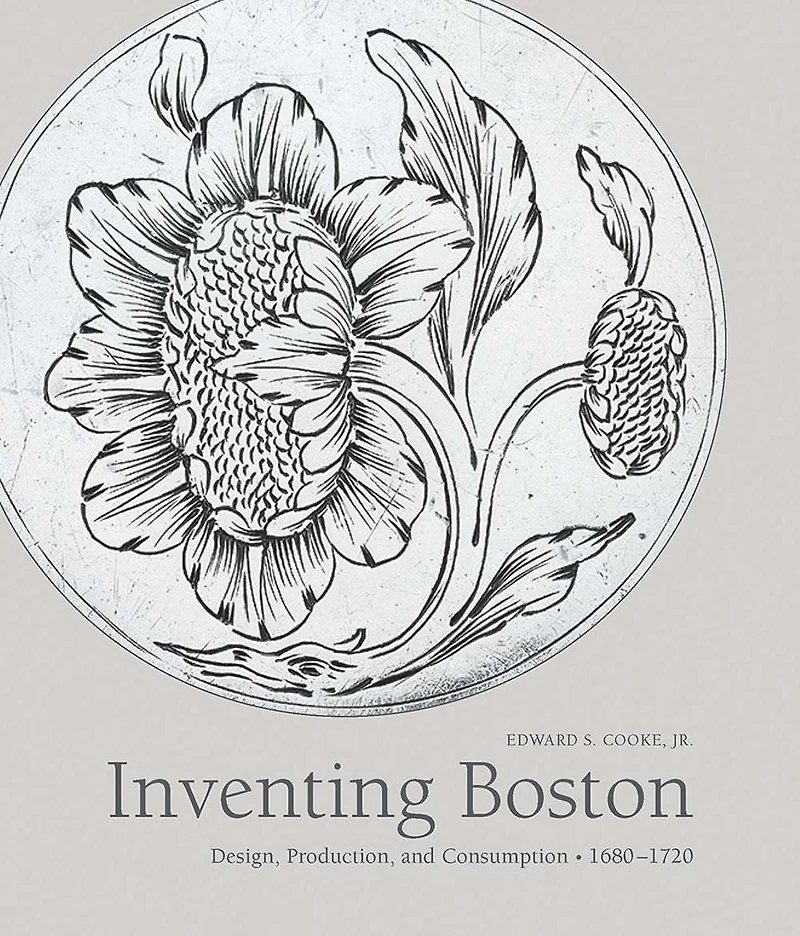
Inventing Boston: Design, Production, and Consumption, 1680-1720 in Bloomington, MN
By Barnes & Noble
Current price: $60.00

Inventing Boston: Design, Production, and Consumption, 1680-1720 in Bloomington, MN
Current price: $60.00
Loading Inventory...
Size: Hardcover
During the late 17th and early 18th centuries, Boston was both a colonial capital and the third most important port in the British empire, trailing only London and Bristol. Boston was also an independent entity that pursued its own interests and articulated its own identity while selectively appropriating British culture and fashion. This revelatory book examines period dwellings, gravestones, furniture, textiles, ceramics, and silver, revealing through material culture how the inhabitants of Boston were colonial, provincial, metropolitan, and global, all at the same time. Edward S. Cooke, Jr.’s detailed account of materials and furnishing practices demonstrates that Bostonians actively filtered ideas and goods from a variety of sources, combined them with local materials and preferences, and constructed a distinct sense of local identity, a process of hybridization that, the author argues, exhibited a conscious desire to shape a culture as a means to resist a distant, dominant power.Published in association with the Paul Mellon Centre for Studies in British Art
During the late 17th and early 18th centuries, Boston was both a colonial capital and the third most important port in the British empire, trailing only London and Bristol. Boston was also an independent entity that pursued its own interests and articulated its own identity while selectively appropriating British culture and fashion. This revelatory book examines period dwellings, gravestones, furniture, textiles, ceramics, and silver, revealing through material culture how the inhabitants of Boston were colonial, provincial, metropolitan, and global, all at the same time. Edward S. Cooke, Jr.’s detailed account of materials and furnishing practices demonstrates that Bostonians actively filtered ideas and goods from a variety of sources, combined them with local materials and preferences, and constructed a distinct sense of local identity, a process of hybridization that, the author argues, exhibited a conscious desire to shape a culture as a means to resist a distant, dominant power.Published in association with the Paul Mellon Centre for Studies in British Art
Shop Similar Products









Find at Mall of America® in Bloomington, MN
Visit at Mall of America® in Bloomington, MN