


Home
Introduction to the Science of Language: Vol 1
Barnes and Noble
Loading Inventory...

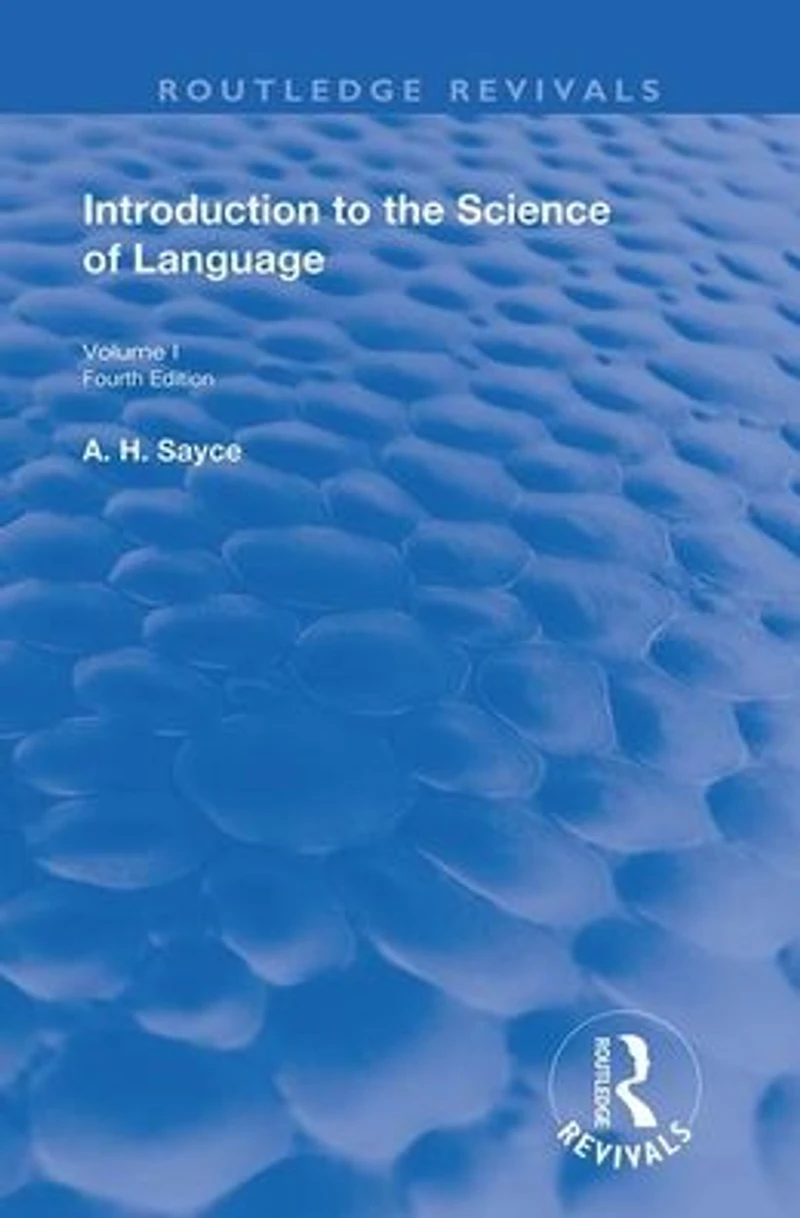
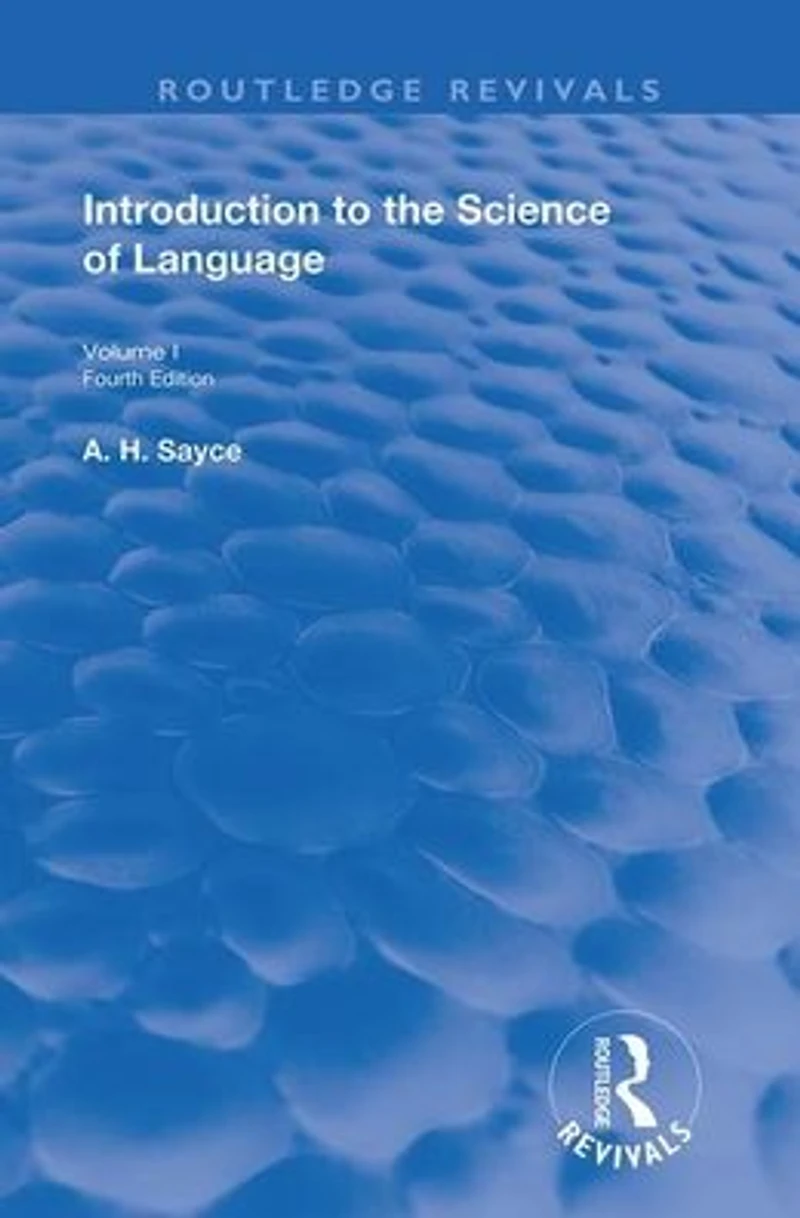
Introduction to the Science of Language: Vol 1 in Bloomington, MN
By Barnes & Noble
Current price: $48.99

Introduction to the Science of Language: Vol 1 in Bloomington, MN
Current price: $48.99
Loading Inventory...
Size: EBook
First published in 1900, this was the first of two volumes of the magnum opus from pioneer assyriologist and linguist Rev. Archibald Sayce and provided an introduction to theories on the nature, behaviour and development of languages along with the morphology and physiology of speech. In it, Sayce was the first to emphasize the principle of partial assimilation and the linguistic principle of analogy. This 4th edition, ten years after the first, reflected on the limitations of science revealed since 1890, in an era when languages, like other humanities subjects, still idealised scientific approaches. Archibald Henry Sayce was one of the greatest comparative linguists of the time, being proficient in Accadian, Arabic, Cuneiform, Chinese, Egyptian, Greek, Hebrew, Hittite, Japanese, Latin, Persian, Phoenician, Sanscrit and Sumerian. He had a good knowledge of every Semitic and Indo-European language and could write good prose in at least twenty languages. Sayce's first major contribution to scholarship was a highly significant translation of an Accadian seal, a 'bilingual text' from which to translate cuneiform, similar to the Rosetta Stone. Here then, no doubt, the reader learns from a master of comparative linguistics.
First published in 1900, this was the first of two volumes of the magnum opus from pioneer assyriologist and linguist Rev. Archibald Sayce and provided an introduction to theories on the nature, behaviour and development of languages along with the morphology and physiology of speech. In it, Sayce was the first to emphasize the principle of partial assimilation and the linguistic principle of analogy. This 4th edition, ten years after the first, reflected on the limitations of science revealed since 1890, in an era when languages, like other humanities subjects, still idealised scientific approaches. Archibald Henry Sayce was one of the greatest comparative linguists of the time, being proficient in Accadian, Arabic, Cuneiform, Chinese, Egyptian, Greek, Hebrew, Hittite, Japanese, Latin, Persian, Phoenician, Sanscrit and Sumerian. He had a good knowledge of every Semitic and Indo-European language and could write good prose in at least twenty languages. Sayce's first major contribution to scholarship was a highly significant translation of an Accadian seal, a 'bilingual text' from which to translate cuneiform, similar to the Rosetta Stone. Here then, no doubt, the reader learns from a master of comparative linguistics.
Shop Similar Products








Find at Mall of America® in Bloomington, MN
Visit at Mall of America® in Bloomington, MN