


Home
Introduction to Population Pharmacokinetic / Pharmacodynamic Analysis with Nonlinear Mixed Effects Models
Barnes and Noble
Loading Inventory...
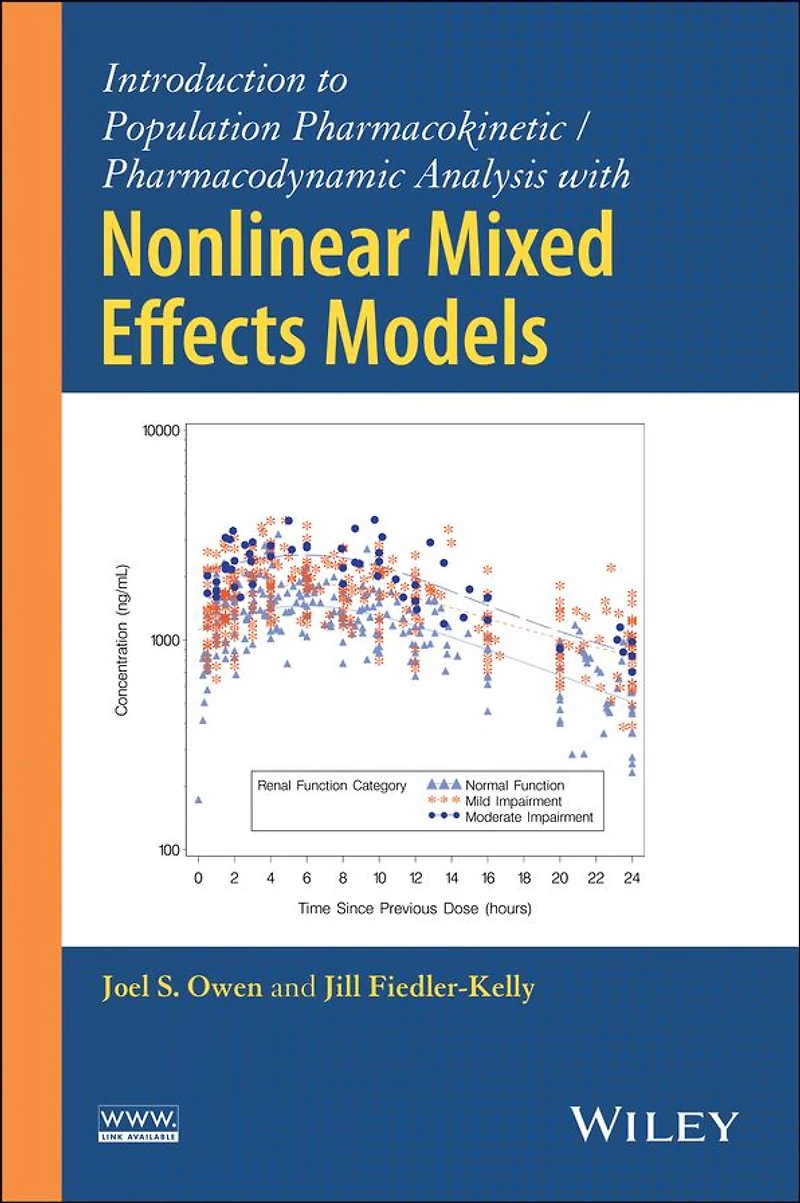
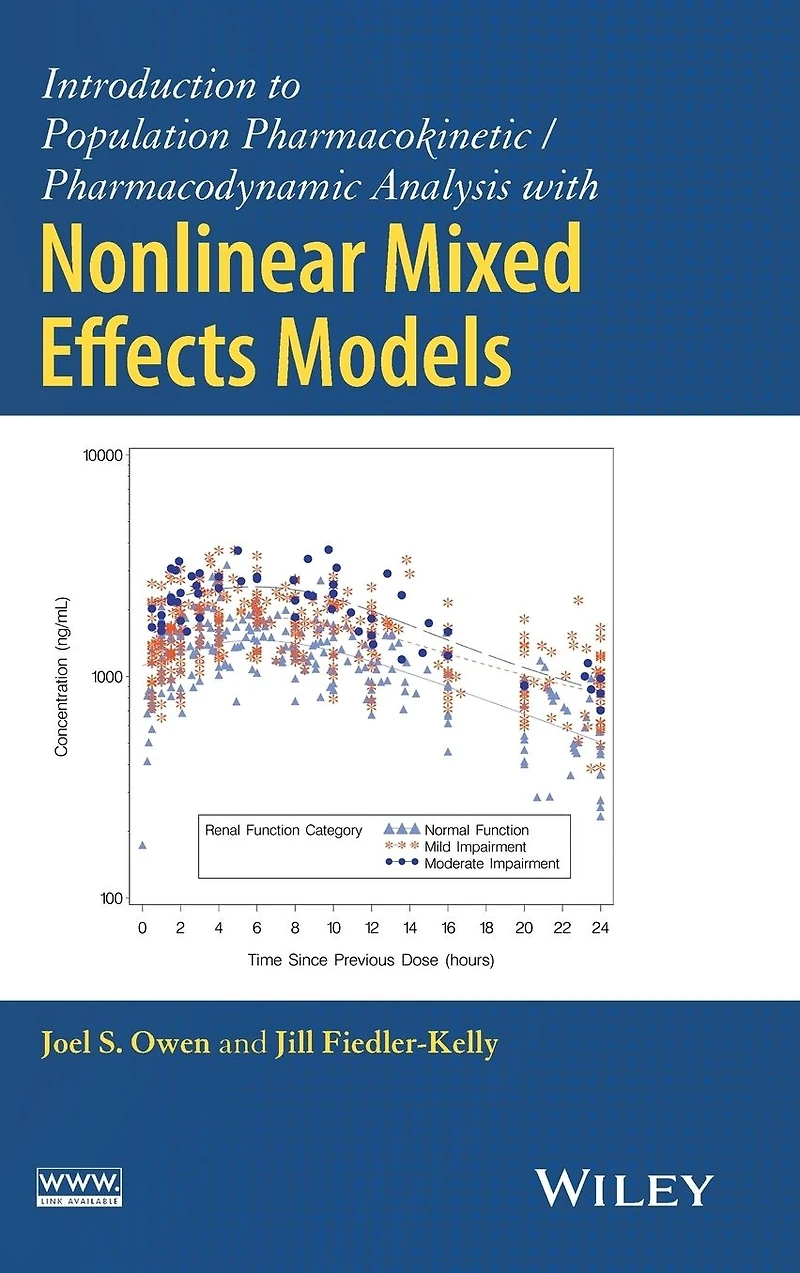
Introduction to Population Pharmacokinetic / Pharmacodynamic Analysis with Nonlinear Mixed Effects Models in Bloomington, MN
By Barnes & Noble
Current price: $102.00

Introduction to Population Pharmacokinetic / Pharmacodynamic Analysis with Nonlinear Mixed Effects Models in Bloomington, MN
Current price: $102.00
Loading Inventory...
Size: EBook
This book provides a user-friendly, hands-on introduction to the Nonlinear Mixed Effects Modeling (NONMEM) system, the most powerful tool for pharmacokinetic / pharmacodynamic analysis. • Introduces requisite background to using Nonlinear Mixed Effects Modeling (NONMEM), covering data requirements, model building and evaluation, and quality control aspects • Provides examples of nonlinear modeling concepts and estimation basics with discussion on the model building process and applications of empirical Bayesian estimates in the drug development environment • Includes detailed chapters on data set structure, developing control streams for modeling and simulation, model applications, interpretation of NONMEM output and results, and quality control • Has datasets, programming code, and practice exercises with solutions, available on a supplementary website
This book provides a user-friendly, hands-on introduction to the Nonlinear Mixed Effects Modeling (NONMEM) system, the most powerful tool for pharmacokinetic / pharmacodynamic analysis. • Introduces requisite background to using Nonlinear Mixed Effects Modeling (NONMEM), covering data requirements, model building and evaluation, and quality control aspects • Provides examples of nonlinear modeling concepts and estimation basics with discussion on the model building process and applications of empirical Bayesian estimates in the drug development environment • Includes detailed chapters on data set structure, developing control streams for modeling and simulation, model applications, interpretation of NONMEM output and results, and quality control • Has datasets, programming code, and practice exercises with solutions, available on a supplementary website
Shop Similar Products











Find at Mall of America® in Bloomington, MN
Visit at Mall of America® in Bloomington, MN