


Home
Introduction to Parallel Processing: Algorithms and Architectures
Barnes and Noble
Loading Inventory...
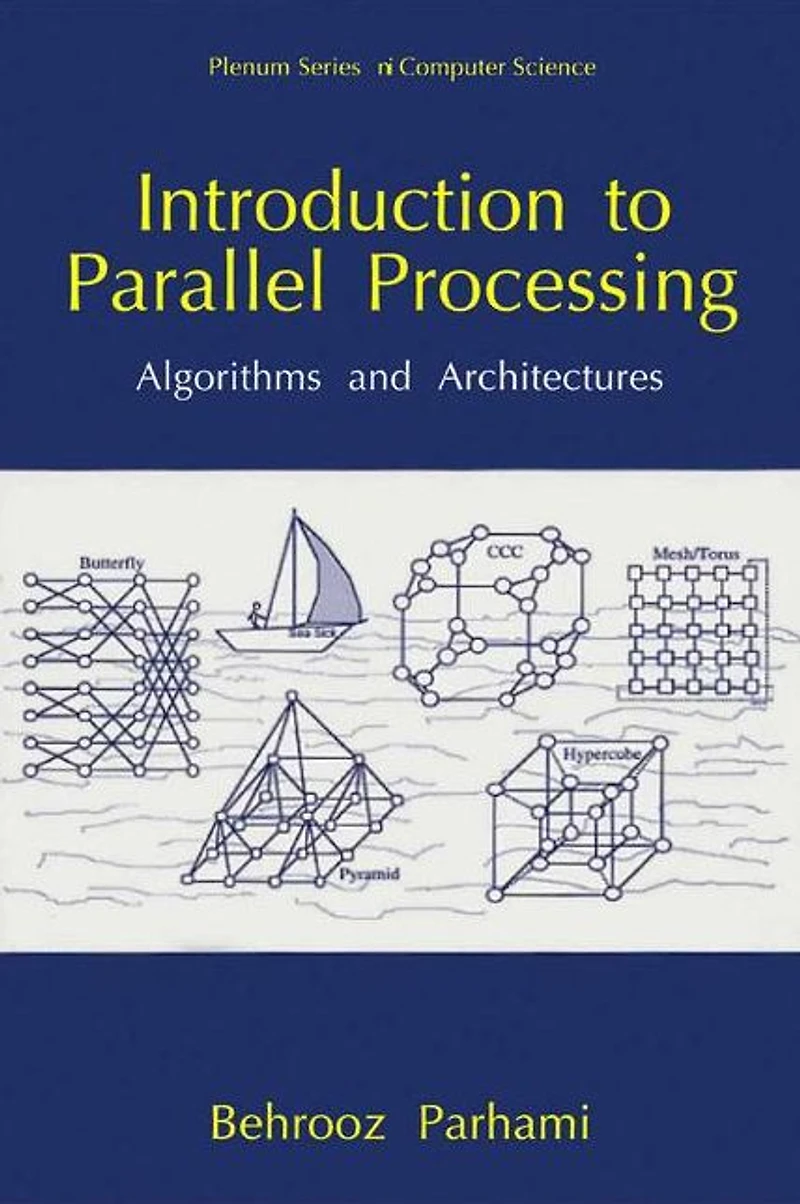
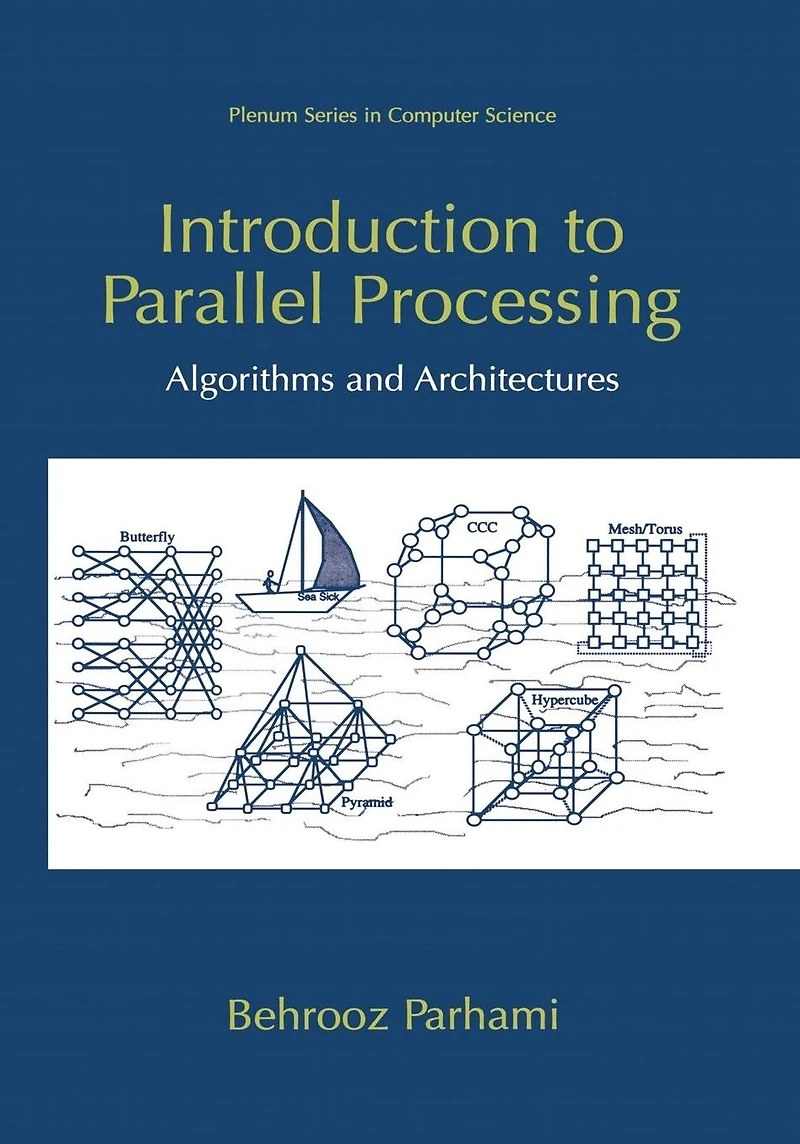
Introduction to Parallel Processing: Algorithms and Architectures in Bloomington, MN
By Barnes & Noble
Current price: $219.99

Introduction to Parallel Processing: Algorithms and Architectures in Bloomington, MN
Current price: $219.99
Loading Inventory...
Size: Hardcover
THE CONTEXT OF PARALLEL PROCESSING The field of digital computer architecture has grown explosively in the past two decades. Through a steady stream of experimental research, tool-building efforts, and theoretical studies, the design of an instruction-set architecture, once considered an art, has been transformed into one of the most quantitative branches of computer technology. At the same time, better understanding of various forms of concurrency, from standard pipelining to massive parallelism, and invention of architectural structures to support a reasonably efficient and user-friendly programming model for such systems, has allowed hardware performance to continue its exponential growth. This trend is expected to continue in the near future. This explosive growth, linked with the expectation that performance will continue its exponential rise with each new generation of hardware and that (in stark contrast to software) computer hardware will function correctly as soon as it comes off the assembly line, has its down side. It has led to unprecedented hardware complexity and almost intolerable dev- opment costs. The challenge facing current and future computer designers is to institute simplicity where we now have complexity; to use fundamental theories being developed in this area to gain performance and ease-of-use benefits from simpler circuits; to understand the interplay between technological capabilities and limitations, on the one hand, and design decisions based on user and application requirements on the other.
THE CONTEXT OF PARALLEL PROCESSING The field of digital computer architecture has grown explosively in the past two decades. Through a steady stream of experimental research, tool-building efforts, and theoretical studies, the design of an instruction-set architecture, once considered an art, has been transformed into one of the most quantitative branches of computer technology. At the same time, better understanding of various forms of concurrency, from standard pipelining to massive parallelism, and invention of architectural structures to support a reasonably efficient and user-friendly programming model for such systems, has allowed hardware performance to continue its exponential growth. This trend is expected to continue in the near future. This explosive growth, linked with the expectation that performance will continue its exponential rise with each new generation of hardware and that (in stark contrast to software) computer hardware will function correctly as soon as it comes off the assembly line, has its down side. It has led to unprecedented hardware complexity and almost intolerable dev- opment costs. The challenge facing current and future computer designers is to institute simplicity where we now have complexity; to use fundamental theories being developed in this area to gain performance and ease-of-use benefits from simpler circuits; to understand the interplay between technological capabilities and limitations, on the one hand, and design decisions based on user and application requirements on the other.
Shop Similar Products










Find at Mall of America® in Bloomington, MN
Visit at Mall of America® in Bloomington, MN