


Home
International Trade Theory: A Critical Review
Barnes and Noble
Loading Inventory...
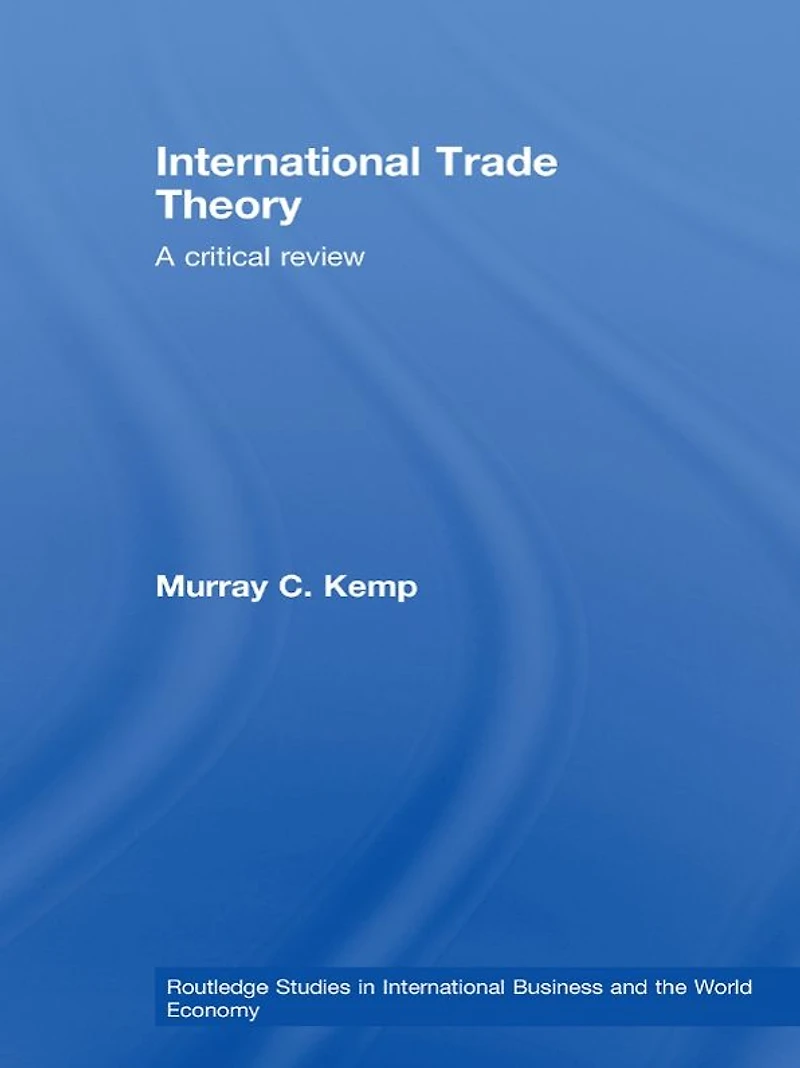
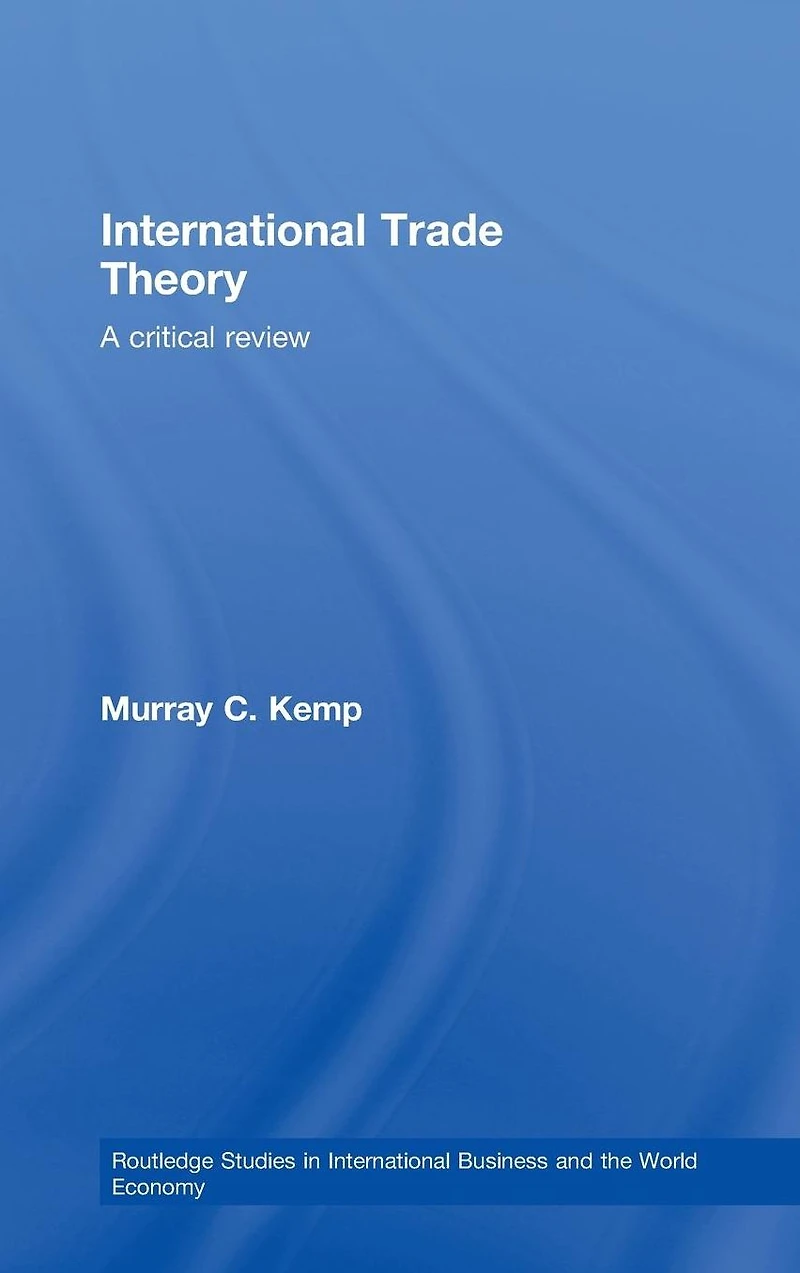
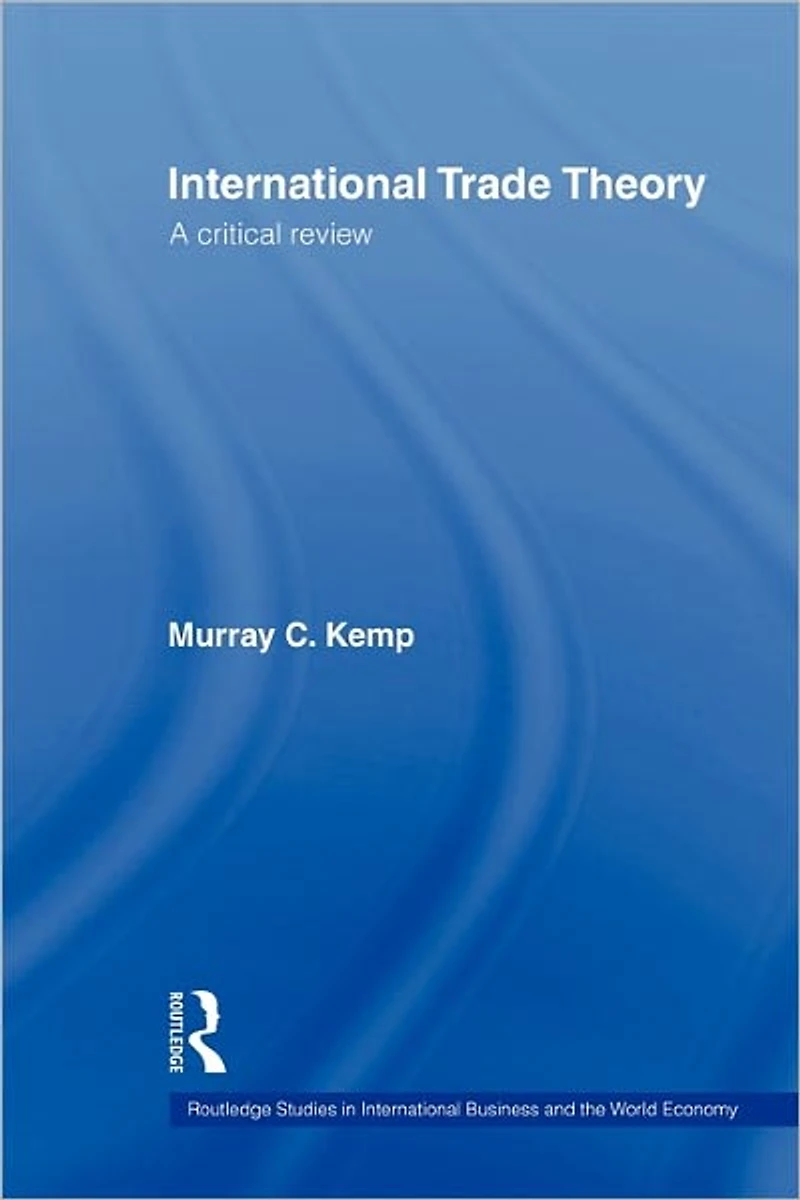
International Trade Theory: A Critical Review in Bloomington, MN
By Barnes & Noble
Current price: $77.99

International Trade Theory: A Critical Review in Bloomington, MN
Current price: $77.99
Loading Inventory...
Size: EBook
Murray C. Kemp is one of Australia's foremost economists. He has held positions across the world including London School of Economics, U.C. Berkeley, Columbia University, McGill University, MIT, and latterly Macquarie University. Kemp was a Member of Council for the Econometric Society and was a Distinguished Fellow of the Economics Society of Australia. He has served as President of the International Economics and Finance Society. In 1987 he was awarded the Humboldt Foundation Prize.This book brings together several essays on the current state of the theory of international trade. As the book's title suggests, the essays are critical of several major components of the existing theory; thus, the Ricardian principle of comparative advantage, the ancient and widely accepted belief that international free trade is potentially beneficial for all countries, and the more recently developed normative analysis of international transfers (foreign aid, war indemnities) are shown to be seriously defective.
Murray C. Kemp is one of Australia's foremost economists. He has held positions across the world including London School of Economics, U.C. Berkeley, Columbia University, McGill University, MIT, and latterly Macquarie University. Kemp was a Member of Council for the Econometric Society and was a Distinguished Fellow of the Economics Society of Australia. He has served as President of the International Economics and Finance Society. In 1987 he was awarded the Humboldt Foundation Prize.This book brings together several essays on the current state of the theory of international trade. As the book's title suggests, the essays are critical of several major components of the existing theory; thus, the Ricardian principle of comparative advantage, the ancient and widely accepted belief that international free trade is potentially beneficial for all countries, and the more recently developed normative analysis of international transfers (foreign aid, war indemnities) are shown to be seriously defective.
Shop Similar Products









Find at Mall of America® in Bloomington, MN
Visit at Mall of America® in Bloomington, MN