


Home
Intensive Care: A Doctor's Journal
Barnes and Noble
Loading Inventory...
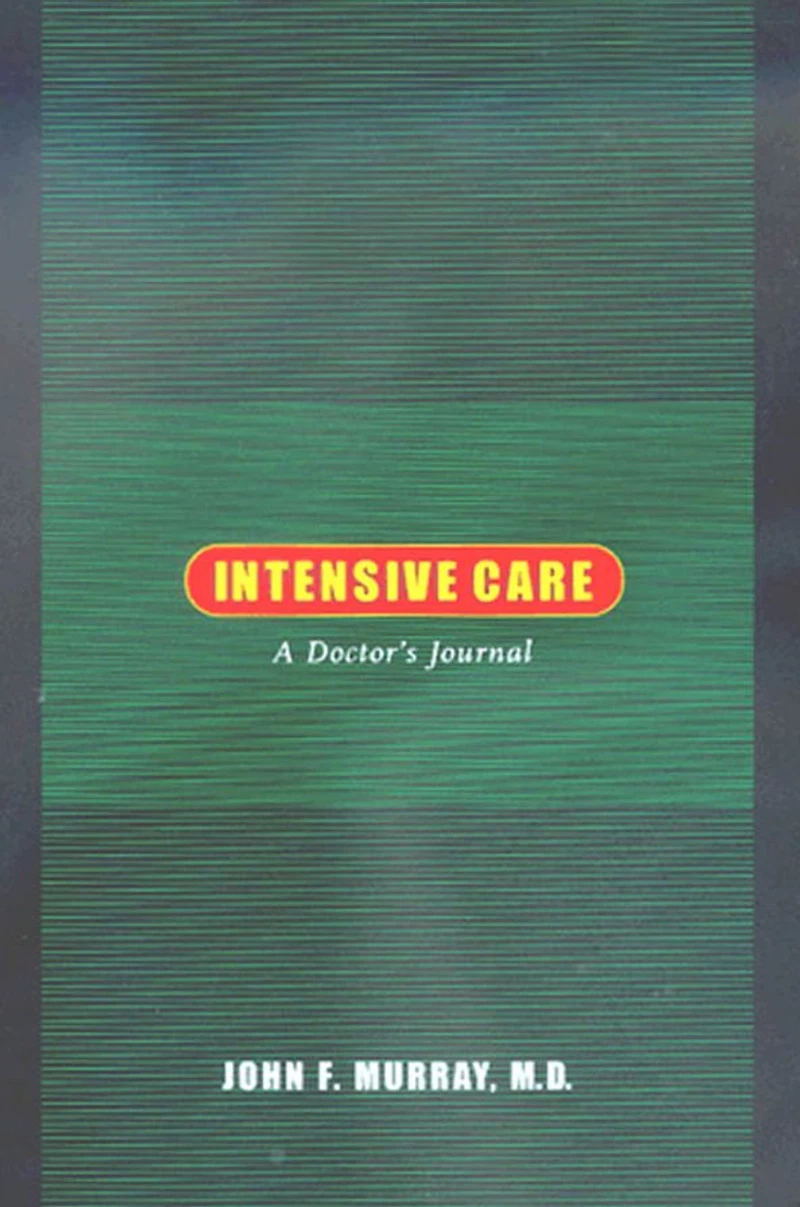
Intensive Care: A Doctor's Journal in Bloomington, MN
By Barnes & Noble
Current price: $34.95

Intensive Care: A Doctor's Journal in Bloomington, MN
Current price: $34.95
Loading Inventory...
Size: Paperback
Intensive Care is an affecting view from the trenches, a seasoned doctor's minutebyminute and daybyday account of life in the Intensive Care Unit (ICU) of a major innercity hospital, San Francisco General. John F. Murray, for many years Chief of the Pulmonary and Critical Care Division of the hospital and a Professor at the University of California, San Francisco, takes readers on his daily ward rounds, introducing them to the desperately ill patients he treats as well as to the young physicians and medical students who accompany him. Writing with compassion and knowledge accumulated over a long career, Murray presents the true stories of patients who show up with myriad disorders: asthma, cardiac failure, gastrointestinal diseases, complications due to AIDS, the effects of drug and alcohol abuse, emphysema. Readers will come away from this book with a comprehensive understanding of what an ICU is, what it does, who gets admitted, and how doctors and nurses make decisions concerning lifethreatening medical problems. Intensive care for critically ill patients is a new but wellestablished and growing branch of medicine. Estimates suggest that 15 to 20 percent of all hospitalized patients in the United States are treated in an intensive or coronary care unit during each hospital stay, so there is a real possibility that the reader will either be admitted to an ICU himself or herself or knows someone who will be. Murray not only offers a realtime account of the diagnosis, treatment, and progress of his patients over the course of one month but also conveys a wealth of information about various diseases and medical procedures in succinct and easytounderstand terms. In addition, he elaborates on ethical dilemmas that he confronts on an almost daily basis: the extent of patient autonomy, the denial of ICU care, the withdrawal of life support, and physicianassisted suicide. Murray concludes that ICUs are doing their job, but they could be even better, cheaper, andmost importantmore humane. His chronicle brings substance to a world known to most of us only through the fiction of television.
Intensive Care is an affecting view from the trenches, a seasoned doctor's minutebyminute and daybyday account of life in the Intensive Care Unit (ICU) of a major innercity hospital, San Francisco General. John F. Murray, for many years Chief of the Pulmonary and Critical Care Division of the hospital and a Professor at the University of California, San Francisco, takes readers on his daily ward rounds, introducing them to the desperately ill patients he treats as well as to the young physicians and medical students who accompany him. Writing with compassion and knowledge accumulated over a long career, Murray presents the true stories of patients who show up with myriad disorders: asthma, cardiac failure, gastrointestinal diseases, complications due to AIDS, the effects of drug and alcohol abuse, emphysema. Readers will come away from this book with a comprehensive understanding of what an ICU is, what it does, who gets admitted, and how doctors and nurses make decisions concerning lifethreatening medical problems. Intensive care for critically ill patients is a new but wellestablished and growing branch of medicine. Estimates suggest that 15 to 20 percent of all hospitalized patients in the United States are treated in an intensive or coronary care unit during each hospital stay, so there is a real possibility that the reader will either be admitted to an ICU himself or herself or knows someone who will be. Murray not only offers a realtime account of the diagnosis, treatment, and progress of his patients over the course of one month but also conveys a wealth of information about various diseases and medical procedures in succinct and easytounderstand terms. In addition, he elaborates on ethical dilemmas that he confronts on an almost daily basis: the extent of patient autonomy, the denial of ICU care, the withdrawal of life support, and physicianassisted suicide. Murray concludes that ICUs are doing their job, but they could be even better, cheaper, andmost importantmore humane. His chronicle brings substance to a world known to most of us only through the fiction of television.









Find at Mall of America® in Bloomington, MN
Visit at Mall of America® in Bloomington, MN