


Home
Inflammation Protocols
Barnes and Noble
Loading Inventory...
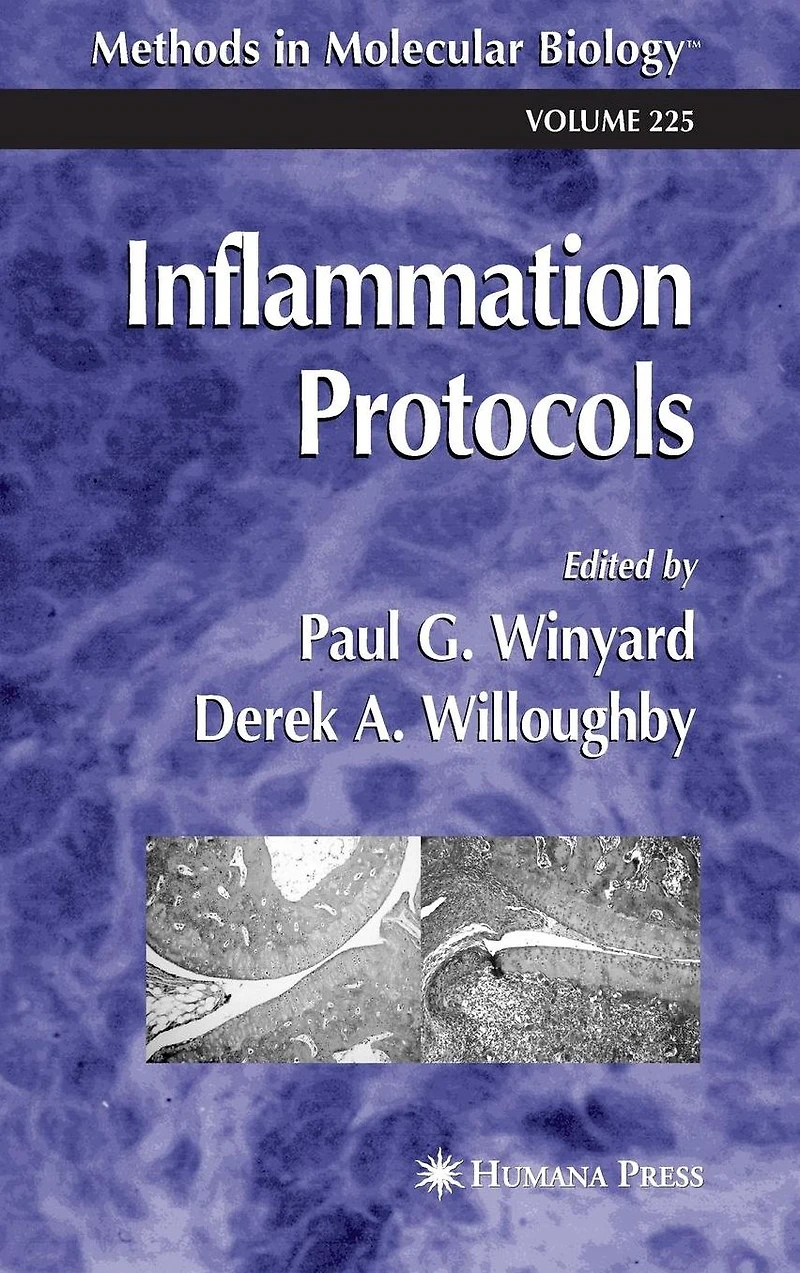
Inflammation Protocols in Bloomington, MN
By Barnes & Noble
Current price: $109.99

Inflammation Protocols in Bloomington, MN
Current price: $109.99
Loading Inventory...
Size: Hardcover
Inflammation has been described as the basis of many pathologies of human disease. When one considers the updated signs of inflammation, they would be vasodilation, cell migration, and, in the case of chronic inflam tion, cell proliferation, often with an underlying autoimmune basis. Gen ally, inflammation may be divided into acute, chronic, and autoimmune, though the editors believe that most, if not all, chronic states are often the result of an autoimmune response to an endogenous antigen. Thus, a proper understanding of the inflammatory basis may provide clues to new therap tic targets not only in classical inflammatory diseases, but atherosclerosis, cancer, and ischemic heart disease as well. The lack of advances in classical inflammatory diseases, such as rh matoid arthritis, may in part arise from a failure to classify the disease into different forms. That different forms exist is exemplified in patients with d fering responses to existing antiinflammatory drugs, ranging from nonresponders to very positive responders for a particular nonsteroidal an inflammatory drug (NSAID). Though researchers have progressively unr eled the mechanisms, the story is far from complete. It should also be noted that the inflammatory response is part of the innate immune response, or to use John Hunter’s words in 1795, “inflammation is a salutary response.” That may be applied in particular to the defensive response to invading micro ganisms.
Inflammation has been described as the basis of many pathologies of human disease. When one considers the updated signs of inflammation, they would be vasodilation, cell migration, and, in the case of chronic inflam tion, cell proliferation, often with an underlying autoimmune basis. Gen ally, inflammation may be divided into acute, chronic, and autoimmune, though the editors believe that most, if not all, chronic states are often the result of an autoimmune response to an endogenous antigen. Thus, a proper understanding of the inflammatory basis may provide clues to new therap tic targets not only in classical inflammatory diseases, but atherosclerosis, cancer, and ischemic heart disease as well. The lack of advances in classical inflammatory diseases, such as rh matoid arthritis, may in part arise from a failure to classify the disease into different forms. That different forms exist is exemplified in patients with d fering responses to existing antiinflammatory drugs, ranging from nonresponders to very positive responders for a particular nonsteroidal an inflammatory drug (NSAID). Though researchers have progressively unr eled the mechanisms, the story is far from complete. It should also be noted that the inflammatory response is part of the innate immune response, or to use John Hunter’s words in 1795, “inflammation is a salutary response.” That may be applied in particular to the defensive response to invading micro ganisms.
Shop Similar Products










Find at Mall of America® in Bloomington, MN
Visit at Mall of America® in Bloomington, MN