


Home
Indigenous Geographies the Yucatan: Learning From Responsibility-Based Maya Environmental Ethos
Barnes and Noble
Loading Inventory...
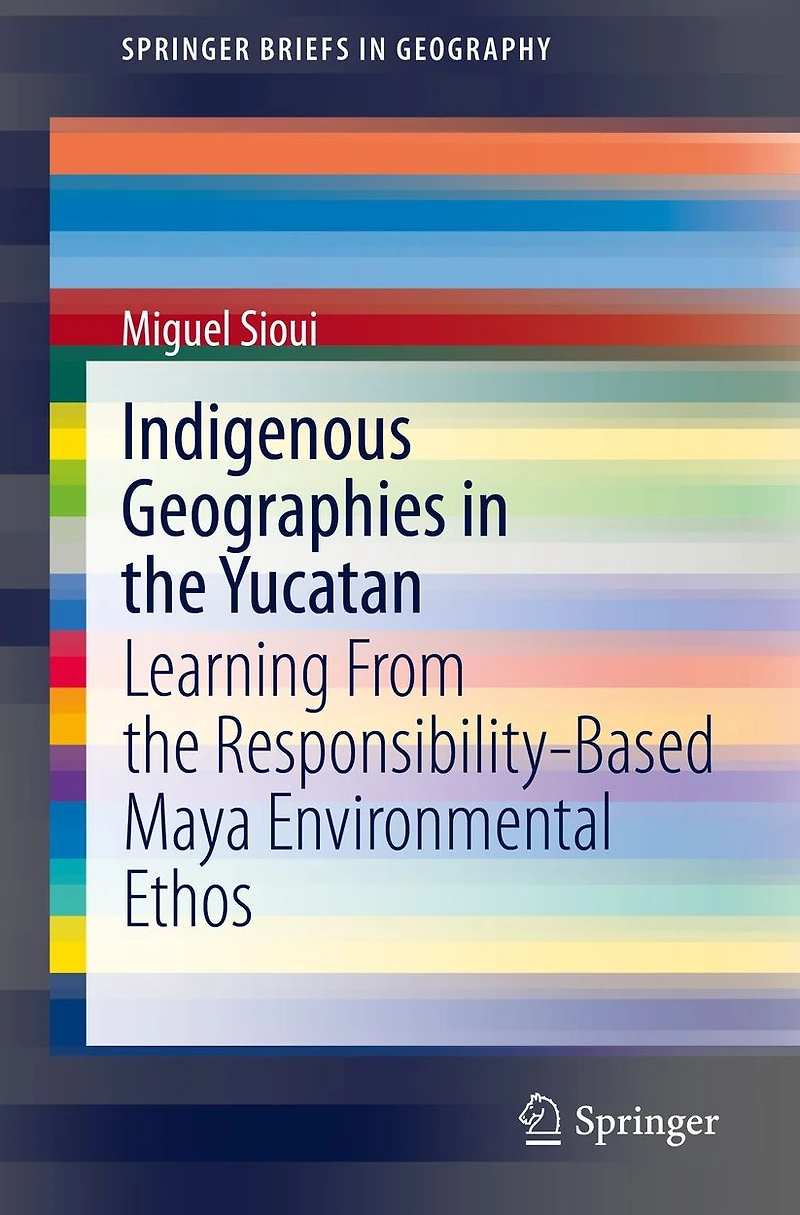
Indigenous Geographies the Yucatan: Learning From Responsibility-Based Maya Environmental Ethos in Bloomington, MN
By Barnes & Noble
Current price: $64.99

Indigenous Geographies the Yucatan: Learning From Responsibility-Based Maya Environmental Ethos in Bloomington, MN
Current price: $64.99
Loading Inventory...
Size: EBook
This book is part of a broader attempt to decolonize colonial histories and understandings about Indigenous peoples and their relationships with their territories, and argues that the land ethos of "being part of the land," specifically among the Mayan community of Xuilub (Yucatan), Mexico, is guided by the cultural precept of 'responsibility-based' thinking. The work uniquely adds much needed insights into 'responsibility-based' thinking for land-use practices, and develops a theoretical framework for assessing historical impacts on Indigenous cultures and livelihoods. In six chapters, the text bridges Western and Indigenous Knowledge (IK) approaches to achieve deeper understanding of IKs, focusing on more Indigenous-centered methods, with the goal of expanding the disciplinary perspectives of postcolonial scholarship and Indigenous geographies. The book contains useful information for environmental planning/management scholars and geographers who may not be familiar with Indigenous approaches to land-use, and to Indigenous geographers working to bridge Western and Indigenous methodologies.
This book is part of a broader attempt to decolonize colonial histories and understandings about Indigenous peoples and their relationships with their territories, and argues that the land ethos of "being part of the land," specifically among the Mayan community of Xuilub (Yucatan), Mexico, is guided by the cultural precept of 'responsibility-based' thinking. The work uniquely adds much needed insights into 'responsibility-based' thinking for land-use practices, and develops a theoretical framework for assessing historical impacts on Indigenous cultures and livelihoods. In six chapters, the text bridges Western and Indigenous Knowledge (IK) approaches to achieve deeper understanding of IKs, focusing on more Indigenous-centered methods, with the goal of expanding the disciplinary perspectives of postcolonial scholarship and Indigenous geographies. The book contains useful information for environmental planning/management scholars and geographers who may not be familiar with Indigenous approaches to land-use, and to Indigenous geographers working to bridge Western and Indigenous methodologies.
Shop Similar Products









Find at Mall of America® in Bloomington, MN
Visit at Mall of America® in Bloomington, MN