


Home
Incremental Polarization: A Unified Spatial Theory of Legislative Elections, Parties and Roll Call Voting
Barnes and Noble
Loading Inventory...
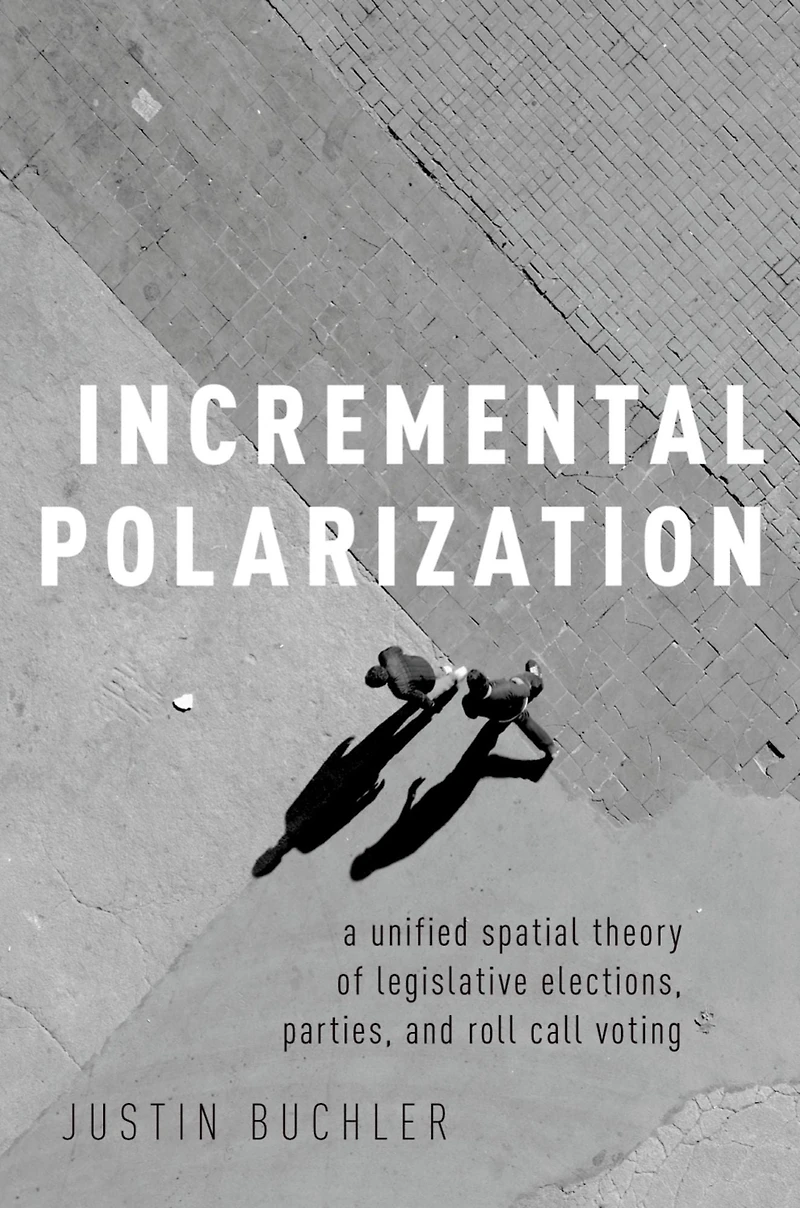
Incremental Polarization: A Unified Spatial Theory of Legislative Elections, Parties and Roll Call Voting in Bloomington, MN
By Barnes & Noble
Current price: $24.99

Incremental Polarization: A Unified Spatial Theory of Legislative Elections, Parties and Roll Call Voting in Bloomington, MN
Current price: $24.99
Loading Inventory...
Size: EBook
As the last decade has shown, ideological polarization in Congress has reached historic levels. Yet, spatial theory has become increasingly important for how scholars understand Congress and legislative elections. In spatial models, candidates select positions along an ideological spectrum, and voters choose candidates based on those locations. However, the central tendency of these models is for the candidates to converge to the location of the median voter, so polarization has become increasingly problematic for spatial theory, even as scholars have come to rely increasingly on these models. In Incremental Polarization, Justin Buchler provides a unified spatial model of legislative elections, parties, and roll call voting to explain the development of polarization in Congress. His model moves beyond elections and factors in legislators' roll call voting, where a different but related spatial process operates. By linking these models, Incremental Polarization fills a critical gap in our understanding of the strategic, electoral, and procedural roots of polarization-and the role that parties play in the process.
As the last decade has shown, ideological polarization in Congress has reached historic levels. Yet, spatial theory has become increasingly important for how scholars understand Congress and legislative elections. In spatial models, candidates select positions along an ideological spectrum, and voters choose candidates based on those locations. However, the central tendency of these models is for the candidates to converge to the location of the median voter, so polarization has become increasingly problematic for spatial theory, even as scholars have come to rely increasingly on these models. In Incremental Polarization, Justin Buchler provides a unified spatial model of legislative elections, parties, and roll call voting to explain the development of polarization in Congress. His model moves beyond elections and factors in legislators' roll call voting, where a different but related spatial process operates. By linking these models, Incremental Polarization fills a critical gap in our understanding of the strategic, electoral, and procedural roots of polarization-and the role that parties play in the process.
Shop Similar Products
















Find at Mall of America® in Bloomington, MN
Visit at Mall of America® in Bloomington, MN