


Home
Incarceration Games: A History of Role-Play Psychology, Prisons, and Performance
Barnes and Noble
Loading Inventory...
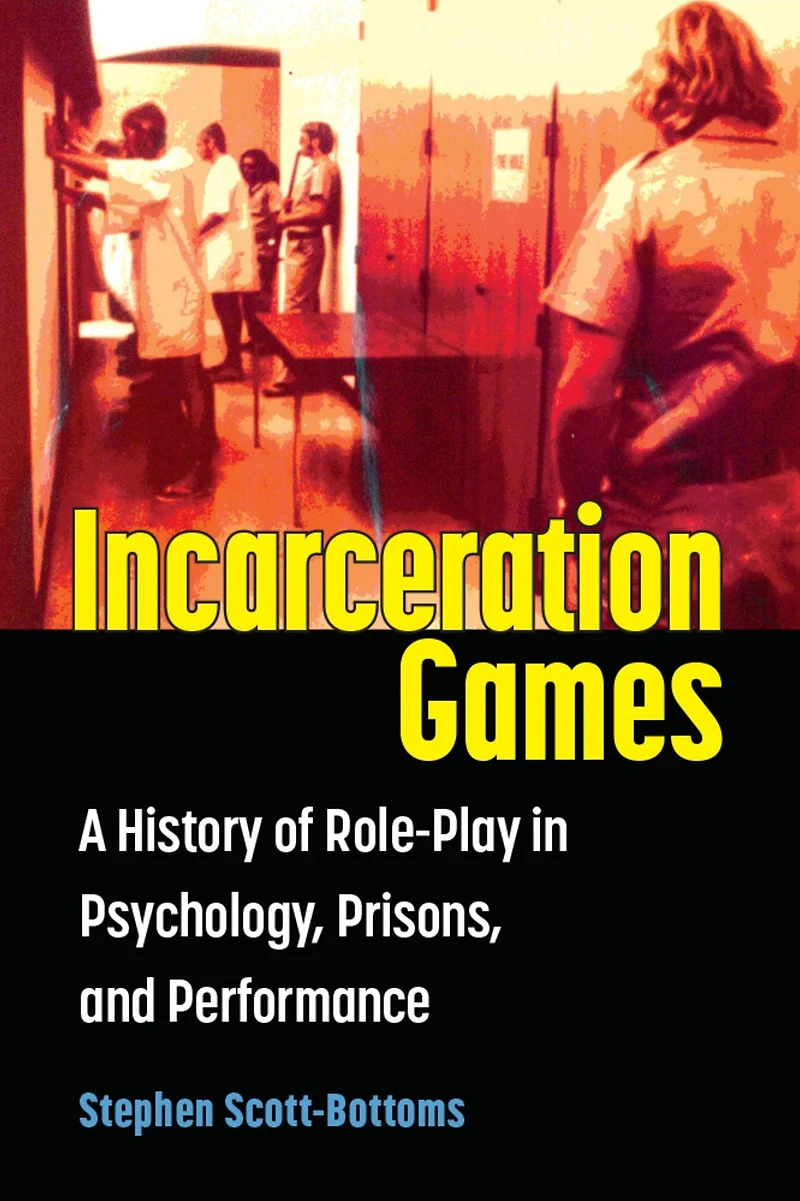
Incarceration Games: A History of Role-Play Psychology, Prisons, and Performance in Bloomington, MN
By Barnes & Noble
Current price: $34.95

Incarceration Games: A History of Role-Play Psychology, Prisons, and Performance in Bloomington, MN
Current price: $34.95
Loading Inventory...
Size: EBook
Finalist: American Society for Theatre Research Barnard Hewitt Award for Outstanding Research in Theatre History | October 8, 2025Do you want to play a game?Incarceration Games reexamines the complex history and troubled legacy of improvised, interactive role-playing experiments. With particular attention to the notorious Stanford prison study, the author draws on extensive archival research and original interviews with many of those involved, to refocus attention on the in-game choices of the role-players themselves.Role-playing as we understand it today was initially developed in the 1930s as a therapeutic practice within the New York state penal system. This book excavates that history and traces the subsequent adoption of these methods for lab experimentation, during the postwar “stage production era” in American social psychology. It then examines the subsequent mutation of the Stanford experiment, in particular, into cultural myth—exploring the ways in which these distorted understandings have impacted on everything from reality TV formats to the “enhanced interrogation” of real-world terror suspects. Incarceration Games asks readers to reconsider what they thought they knew about this tangled history, and to look at it again from the role-player’s perspective.
Finalist: American Society for Theatre Research Barnard Hewitt Award for Outstanding Research in Theatre History | October 8, 2025Do you want to play a game?Incarceration Games reexamines the complex history and troubled legacy of improvised, interactive role-playing experiments. With particular attention to the notorious Stanford prison study, the author draws on extensive archival research and original interviews with many of those involved, to refocus attention on the in-game choices of the role-players themselves.Role-playing as we understand it today was initially developed in the 1930s as a therapeutic practice within the New York state penal system. This book excavates that history and traces the subsequent adoption of these methods for lab experimentation, during the postwar “stage production era” in American social psychology. It then examines the subsequent mutation of the Stanford experiment, in particular, into cultural myth—exploring the ways in which these distorted understandings have impacted on everything from reality TV formats to the “enhanced interrogation” of real-world terror suspects. Incarceration Games asks readers to reconsider what they thought they knew about this tangled history, and to look at it again from the role-player’s perspective.
Shop Similar Products













Find at Mall of America® in Bloomington, MN
Visit at Mall of America® in Bloomington, MN