


Home
In the Courts of Religious Ladies: Art, Vision, and Pleasure in Italian Renaissance Convents
Barnes and Noble
Loading Inventory...
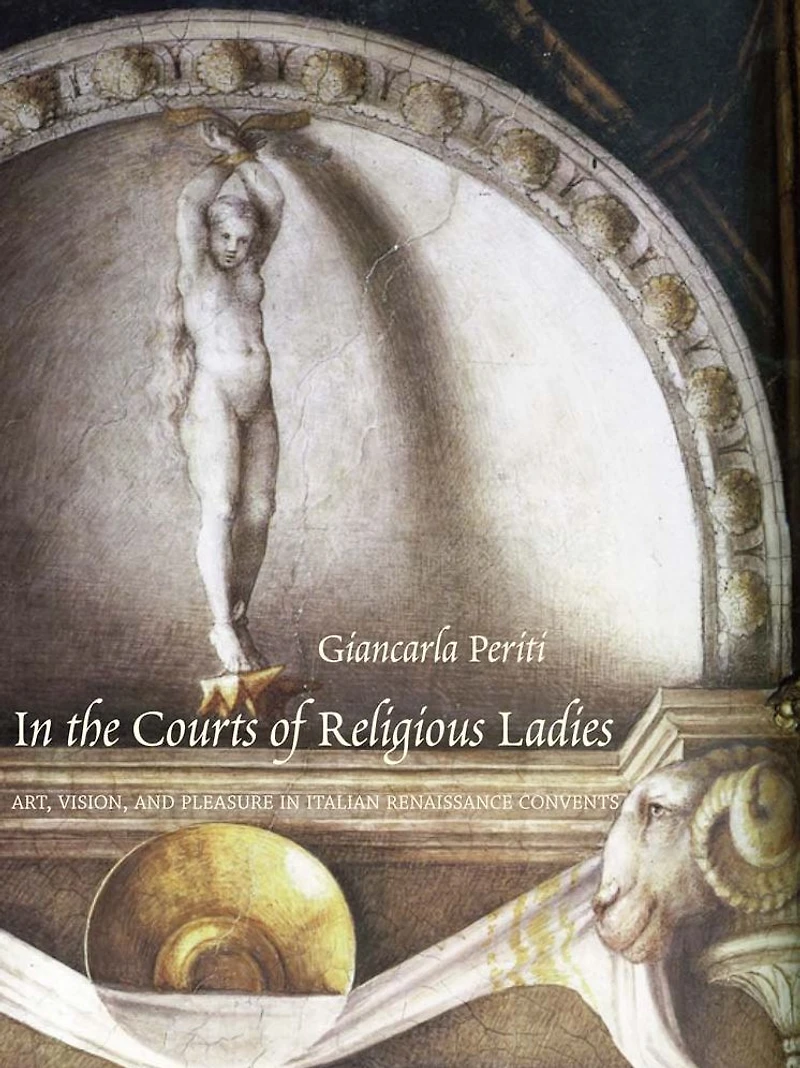
In the Courts of Religious Ladies: Art, Vision, and Pleasure in Italian Renaissance Convents in Bloomington, MN
By Barnes & Noble
Current price: $50.00

In the Courts of Religious Ladies: Art, Vision, and Pleasure in Italian Renaissance Convents in Bloomington, MN
Current price: $50.00
Loading Inventory...
Size: Hardcover
This fascinating study considers the poetic and mythological artworks made for elite female monastic communities in Renaissance Italy. Nuns from the patrician class, who often disregarded obligations of austerity and poverty, commissioned sensually appealing, richly made artifacts inspired by contemporary courtly culture. The works of art transformed monastic parlors, abbatial apartments, and nuns’ cells into ornate settings, thereby enriching and complicating the opposition of religious and worldly spheres. This unconventional monastic and yet courtly decoration was a new form of art in the way it entangled the sacred and the profane. The artwork was intended to edify both intellectually and spiritually, as well as to delight and seduce the viewer. Based on extensive new research into primary sources, this generously illustrated book introduces a thriving female monastic visual culture that ecclesiastical authorities endeavored to suppress. It shows how this art taught its viewers to use their eyes to gain insights about the secular world beyond the convent walls.
This fascinating study considers the poetic and mythological artworks made for elite female monastic communities in Renaissance Italy. Nuns from the patrician class, who often disregarded obligations of austerity and poverty, commissioned sensually appealing, richly made artifacts inspired by contemporary courtly culture. The works of art transformed monastic parlors, abbatial apartments, and nuns’ cells into ornate settings, thereby enriching and complicating the opposition of religious and worldly spheres. This unconventional monastic and yet courtly decoration was a new form of art in the way it entangled the sacred and the profane. The artwork was intended to edify both intellectually and spiritually, as well as to delight and seduce the viewer. Based on extensive new research into primary sources, this generously illustrated book introduces a thriving female monastic visual culture that ecclesiastical authorities endeavored to suppress. It shows how this art taught its viewers to use their eyes to gain insights about the secular world beyond the convent walls.
Shop Similar Products














Find at Mall of America® in Bloomington, MN
Visit at Mall of America® in Bloomington, MN