


Home
Imagining Home: American War Fiction from Hemingway to 9/11
Barnes and Noble
Loading Inventory...
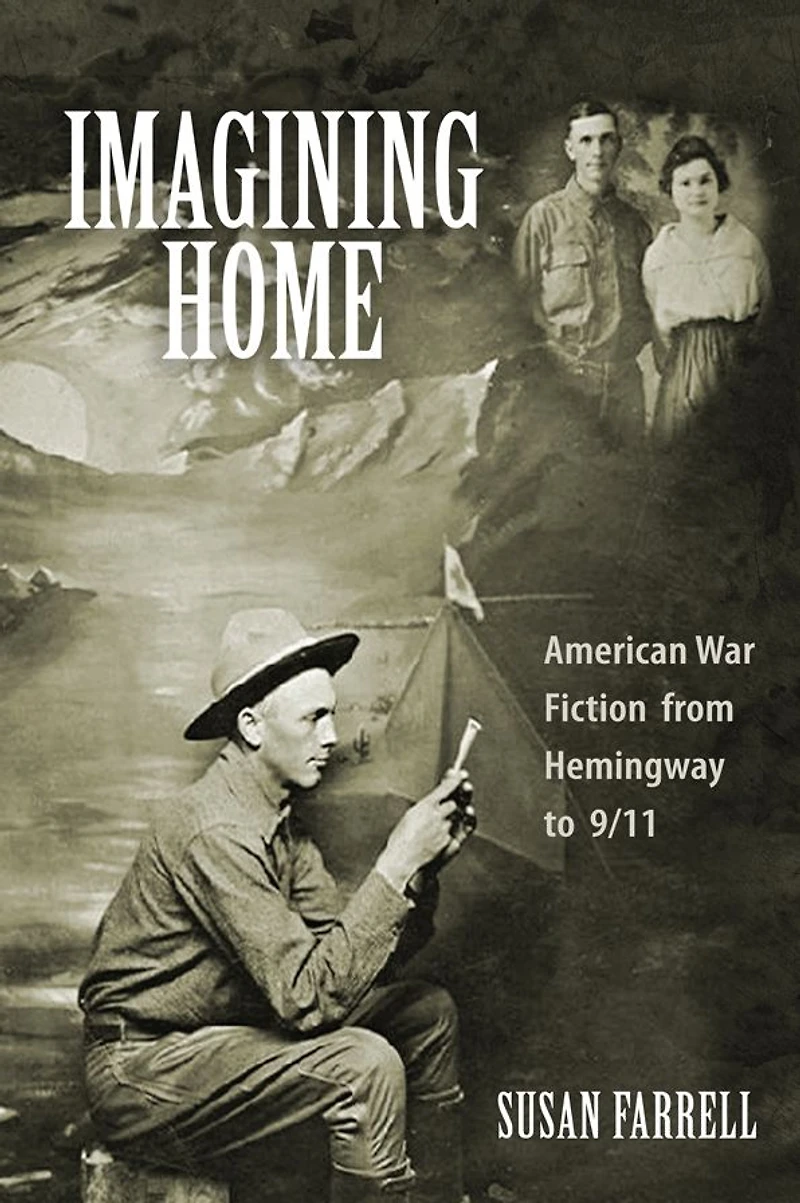
Imagining Home: American War Fiction from Hemingway to 9/11 in Bloomington, MN
By Barnes & Noble
Current price: $110.00

Imagining Home: American War Fiction from Hemingway to 9/11 in Bloomington, MN
Current price: $110.00
Loading Inventory...
Size: Hardcover
The first study to bring Hemingway, Vonnegut, O'Brien, and 9/11 literature together in order to examine views about war, gender, and domesticity over a hundredyear period.War has often been seen as the domain of men and thus irrelevant to gender analysis, and American writers have frequently examined war according to traditional gender expectations: that boys become men by going to war and girls become women by building a home. Yet the writers discussed in this book complicate these expectations, since their female characters often take part directly in war and especially since their male characters repeatedly imagine domestic spaces for themselves in the midst of war. Chapters on Hemingway and the First World War, Kurt Vonnegut and the Second World War, and Tim O'Brien and the Vietnam War place these writers in their particular historical and cultural contexts while tracing similarities in their depiction of gender relationships, imagined domestic spaces, and the representability of trauma. The book concludes by examining post9/11 American literature, probing what happenswhen the front lines actually come home to Americans. While much has been written about Hemingway, Vonnegut, O'Brien, and even 9/11 literature separately, this study is the first to bring them together in order to examine views about war, gender, and domesticity over a hundredyear period. It argues that 9/11 literature follows a long tradition of American writing about war in which the domestic and public realms are inextricably intertwined and in which imagined domestic spaces can provide a window into representing wartime trauma, an experience often thought to be unrepresentable or incomprehensible to those who were not actually there. Susan Farrell is Professor of English at the College of Charleston.
The first study to bring Hemingway, Vonnegut, O'Brien, and 9/11 literature together in order to examine views about war, gender, and domesticity over a hundredyear period.War has often been seen as the domain of men and thus irrelevant to gender analysis, and American writers have frequently examined war according to traditional gender expectations: that boys become men by going to war and girls become women by building a home. Yet the writers discussed in this book complicate these expectations, since their female characters often take part directly in war and especially since their male characters repeatedly imagine domestic spaces for themselves in the midst of war. Chapters on Hemingway and the First World War, Kurt Vonnegut and the Second World War, and Tim O'Brien and the Vietnam War place these writers in their particular historical and cultural contexts while tracing similarities in their depiction of gender relationships, imagined domestic spaces, and the representability of trauma. The book concludes by examining post9/11 American literature, probing what happenswhen the front lines actually come home to Americans. While much has been written about Hemingway, Vonnegut, O'Brien, and even 9/11 literature separately, this study is the first to bring them together in order to examine views about war, gender, and domesticity over a hundredyear period. It argues that 9/11 literature follows a long tradition of American writing about war in which the domestic and public realms are inextricably intertwined and in which imagined domestic spaces can provide a window into representing wartime trauma, an experience often thought to be unrepresentable or incomprehensible to those who were not actually there. Susan Farrell is Professor of English at the College of Charleston.
Shop Similar Products














Find at Mall of America® in Bloomington, MN
Visit at Mall of America® in Bloomington, MN