


Home
Ideological Representation: Achieved and Astray: Elections, Institutions, the Breakdown of Congruence Parliamentary Democracies
Barnes and Noble
Loading Inventory...
Ideological Representation: Achieved and Astray: Elections, Institutions, the Breakdown of Congruence Parliamentary Democracies in Bloomington, MN
By Barnes & Noble
Current price: $43.00

Ideological Representation: Achieved and Astray: Elections, Institutions, the Breakdown of Congruence Parliamentary Democracies in Bloomington, MN
Current price: $43.00
Loading Inventory...
Size: EBook
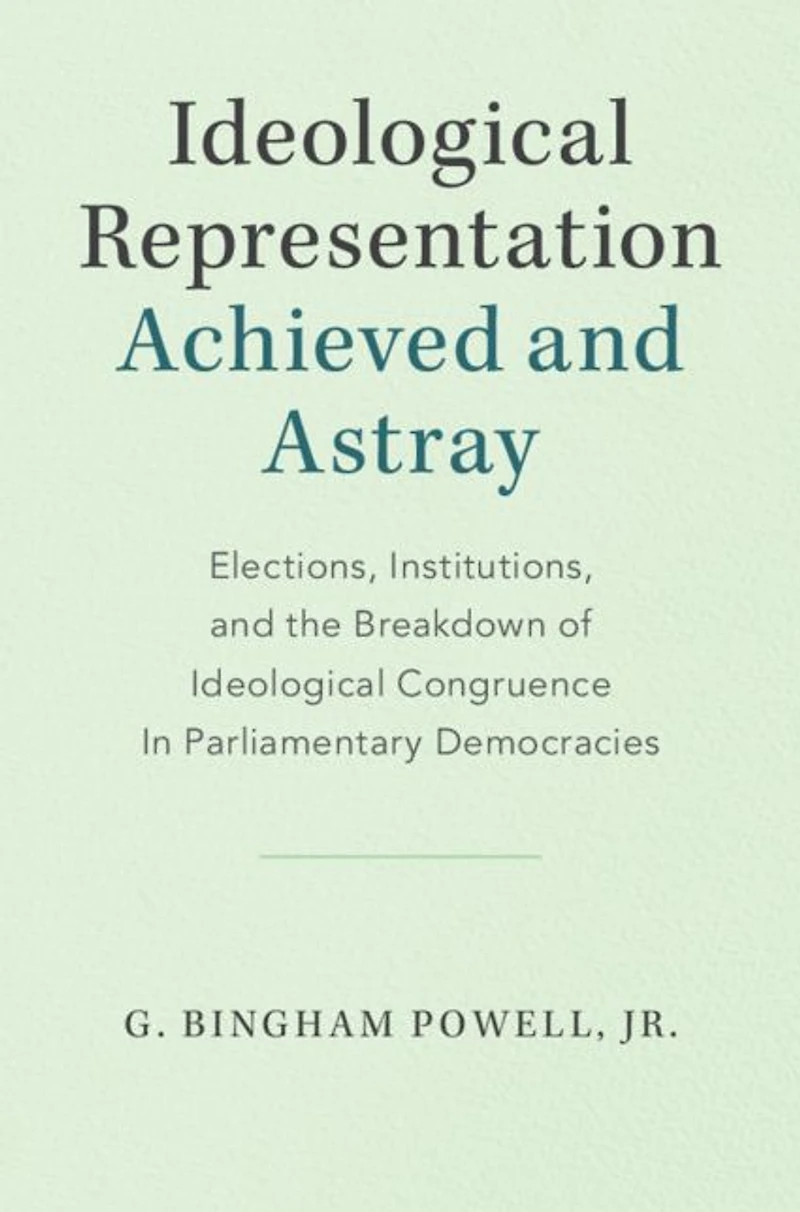
Ideological congruence is the term generally used in comparative politics for the representative relationship between the general preferences of citizens and the perceived and stated position of government. This study provides a systematic comparative assessment of success and failure in achieving ideological congruence in nineteen developed parliamentary democracies from 1996 through to 2017. It then deconstructs the processes through which elections can connect citizens and governments into the three major stages: citizens' votes in parliamentary elections; the conversion of those votes into legislative representation; the election of prime ministers by their parliaments and the appointment of cabinet ministers. Analyzing these three stages shows that average distance from the median citizen increases at each stage, with only a few remarkable recoveries once congruence begins to go astray.
Ideological congruence is the term generally used in comparative politics for the representative relationship between the general preferences of citizens and the perceived and stated position of government. This study provides a systematic comparative assessment of success and failure in achieving ideological congruence in nineteen developed parliamentary democracies from 1996 through to 2017. It then deconstructs the processes through which elections can connect citizens and governments into the three major stages: citizens' votes in parliamentary elections; the conversion of those votes into legislative representation; the election of prime ministers by their parliaments and the appointment of cabinet ministers. Analyzing these three stages shows that average distance from the median citizen increases at each stage, with only a few remarkable recoveries once congruence begins to go astray.
Shop Similar Products










Find at Mall of America® in Bloomington, MN
Visit at Mall of America® in Bloomington, MN