


Home
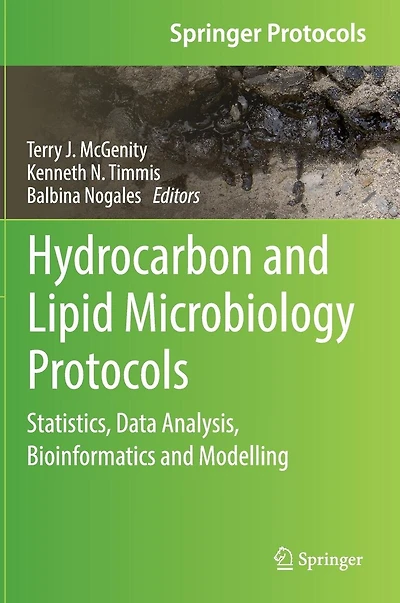
Hydrocarbon and Lipid Microbiology Protocols: Ultrastructure Imaging
Barnes and Noble
Loading Inventory...
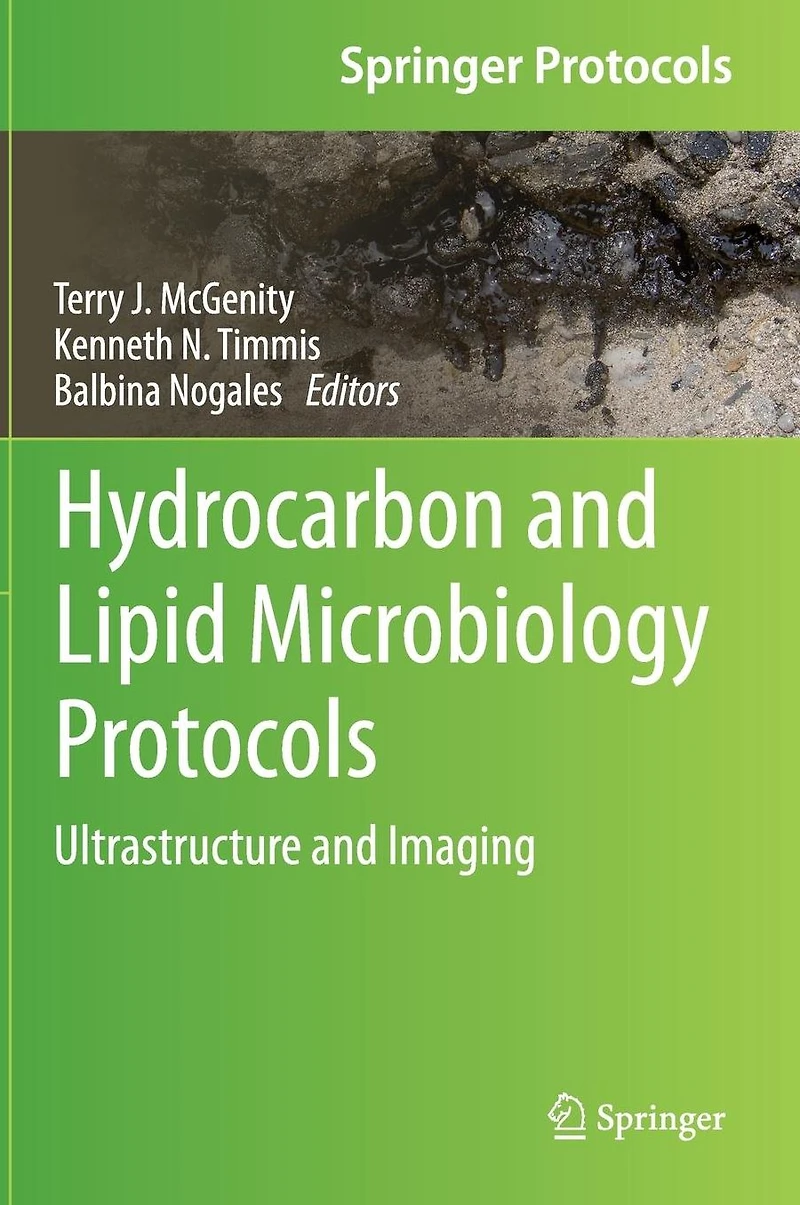
Hydrocarbon and Lipid Microbiology Protocols: Ultrastructure Imaging in Bloomington, MN
By Barnes & Noble
Current price: $109.99

Hydrocarbon and Lipid Microbiology Protocols: Ultrastructure Imaging in Bloomington, MN
Current price: $109.99
Loading Inventory...
Size: Hardcover
This Volume presents key microscopy and imaging methods for revealing the structure and ultrastructure of environmental and experimental samples, of microbial communities and cultures, and of individual cells. Method adaptations that specifically address problems concerning the hydrophobic components of samples are highlighted and discussed. The methods described range from electron microscopy and light and fluorescence microscopy, to confocal laser-scanning microscopy, and include experimental set-ups for the analysis of interfacial processes like microbial growth and activities at hydrocarbon:water interfaces, biofilms and microbe:mineral interfaces. Three forms of fluorescence in situ hybridization - CARD-FISH, MAR-FISH and Two-pass TSA-FISH - are described for the ecophysiological analysis of functionally active microbes in samples. The methods presented will enable readers to obtain an ultrastructural picture of, and identify the key functional microbes in, samples under investigation. This in turn will constitute a key framework for the interpretation of information from other experimental approaches, such as physicochemical analyses and genomic investigations. Hydrocarbon and Lipid Microbiology Prools There are tens of thousands of structurally different hydrocarbons, hydrocarbon derivatives and lipids, and a wide array of these molecules are required for cells to function. The global hydrocarbon cycle, which is largely driven by microorganisms, has a major impact on our environment and climate. Microbes are responsible for cleaning up the environmental pollution caused by the exploitation of hydrocarbon reservoirs and will also be pivotal in reducing our reliance on fossil fuels by providing biofuels, plastics and industrial chemicals. Gaining an understanding of the relevant functions of the wide range of microbes that produce, consume and modify hydrocarbons and related compounds will be key to respondingto these challenges. This comprehensive collection of current and emerging prools will facilitate acquisition of this understanding and exploitation of useful activities of such microbes.
This Volume presents key microscopy and imaging methods for revealing the structure and ultrastructure of environmental and experimental samples, of microbial communities and cultures, and of individual cells. Method adaptations that specifically address problems concerning the hydrophobic components of samples are highlighted and discussed. The methods described range from electron microscopy and light and fluorescence microscopy, to confocal laser-scanning microscopy, and include experimental set-ups for the analysis of interfacial processes like microbial growth and activities at hydrocarbon:water interfaces, biofilms and microbe:mineral interfaces. Three forms of fluorescence in situ hybridization - CARD-FISH, MAR-FISH and Two-pass TSA-FISH - are described for the ecophysiological analysis of functionally active microbes in samples. The methods presented will enable readers to obtain an ultrastructural picture of, and identify the key functional microbes in, samples under investigation. This in turn will constitute a key framework for the interpretation of information from other experimental approaches, such as physicochemical analyses and genomic investigations. Hydrocarbon and Lipid Microbiology Prools There are tens of thousands of structurally different hydrocarbons, hydrocarbon derivatives and lipids, and a wide array of these molecules are required for cells to function. The global hydrocarbon cycle, which is largely driven by microorganisms, has a major impact on our environment and climate. Microbes are responsible for cleaning up the environmental pollution caused by the exploitation of hydrocarbon reservoirs and will also be pivotal in reducing our reliance on fossil fuels by providing biofuels, plastics and industrial chemicals. Gaining an understanding of the relevant functions of the wide range of microbes that produce, consume and modify hydrocarbons and related compounds will be key to respondingto these challenges. This comprehensive collection of current and emerging prools will facilitate acquisition of this understanding and exploitation of useful activities of such microbes.
Shop Similar Products













Find at Mall of America® in Bloomington, MN
Visit at Mall of America® in Bloomington, MN