


Home
Human Ocular Microbiome: Bacteria, Fungi and Viruses the Eye
Barnes and Noble
Loading Inventory...
Human Ocular Microbiome: Bacteria, Fungi and Viruses the Eye in Bloomington, MN
By Barnes & Noble
Current price: $159.00

Human Ocular Microbiome: Bacteria, Fungi and Viruses the Eye in Bloomington, MN
Current price: $159.00
Loading Inventory...
Size: EBook
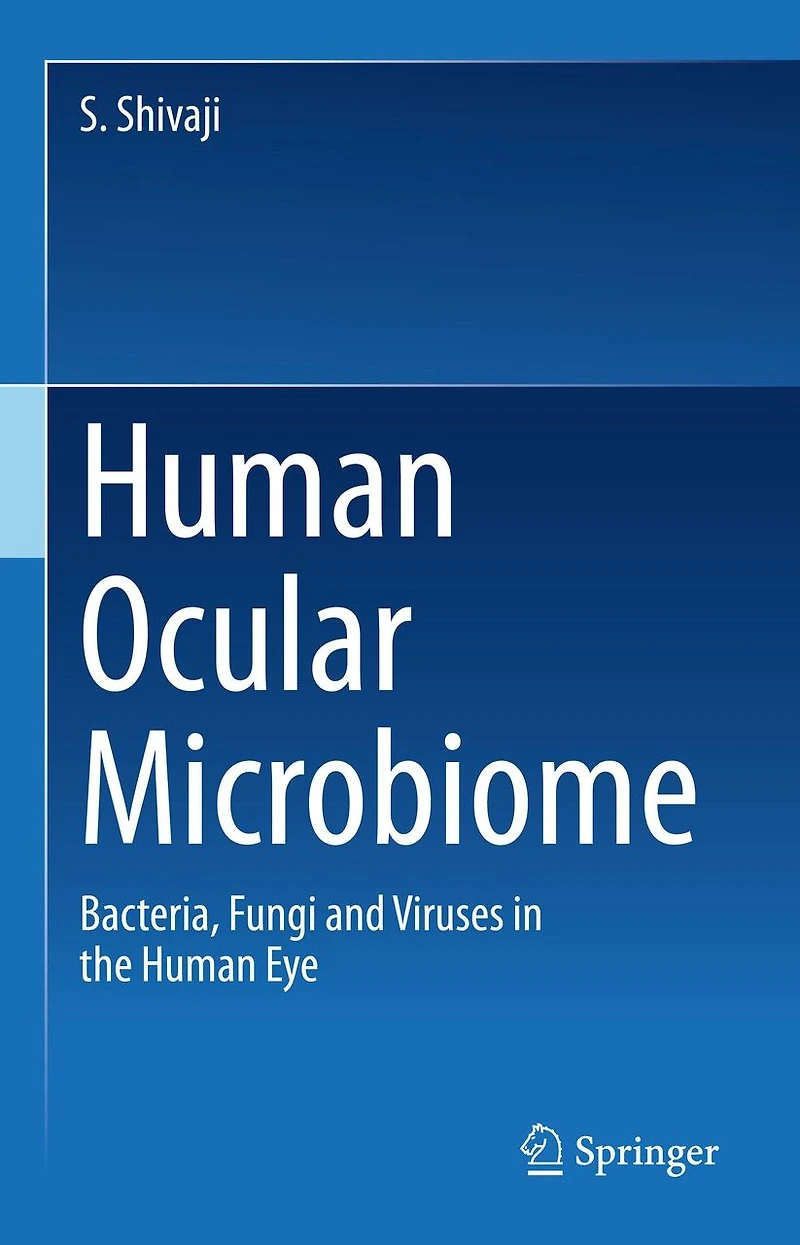
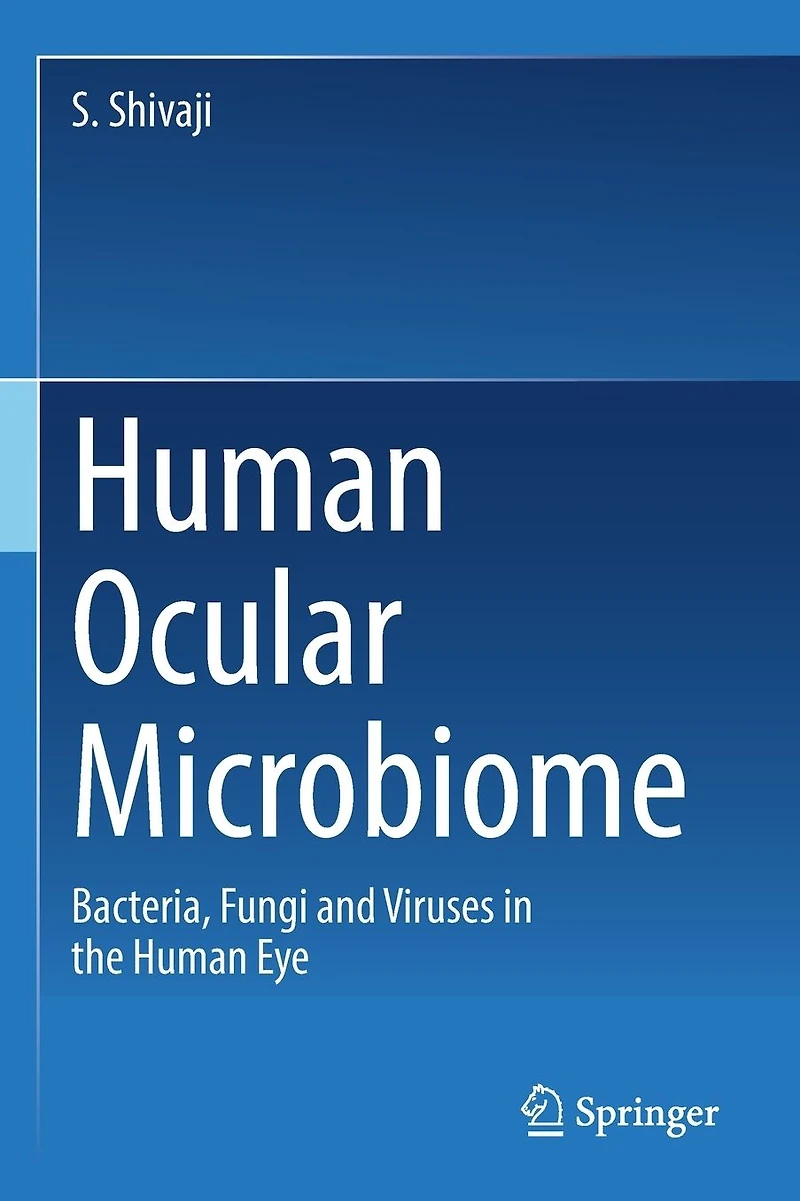
This book provides an integrated review of the human ocular microbiome. It documents the discovery of ocular surface microbes by the conventional cultivable method and next generation sequencing technologies in both healthy and diseased (keratitis, uveitis, endophthalmitis, blepharitis, conjunctivitis etc.) eyes. The book further discusses the confounding factors that influence the microbiome, mycobiome and virome. The chapters cover nichespecificity with reference to skin, eyelid margin, hands etc. It highlights the concept of core genera, dysbiosis and discriminating genera and covers the functional relevance of the dysbiotic microbiome, mycobiome and virome with respect to ocular diseases. The book includes topics on the relevance of molecular mechanisms, including quorumsensing and mucin metabolism to ocular disorders, such as dry eye; and, microbiomebased therapies for treating of ocular disorders like vernal keraonjunctivitis. The book is essential for microbiologists studying the human eye, ophthalmologists treating eye infection and trauma. It also caters to students of medical microbiology and medicine.
This book provides an integrated review of the human ocular microbiome. It documents the discovery of ocular surface microbes by the conventional cultivable method and next generation sequencing technologies in both healthy and diseased (keratitis, uveitis, endophthalmitis, blepharitis, conjunctivitis etc.) eyes. The book further discusses the confounding factors that influence the microbiome, mycobiome and virome. The chapters cover nichespecificity with reference to skin, eyelid margin, hands etc. It highlights the concept of core genera, dysbiosis and discriminating genera and covers the functional relevance of the dysbiotic microbiome, mycobiome and virome with respect to ocular diseases. The book includes topics on the relevance of molecular mechanisms, including quorumsensing and mucin metabolism to ocular disorders, such as dry eye; and, microbiomebased therapies for treating of ocular disorders like vernal keraonjunctivitis. The book is essential for microbiologists studying the human eye, ophthalmologists treating eye infection and trauma. It also caters to students of medical microbiology and medicine.
Shop Similar Products











Find at Mall of America® in Bloomington, MN
Visit at Mall of America® in Bloomington, MN