


Home
Hoya 82mm Prond Ex 8 Neutral Density 0.9 3-Stop Filter
Macy's
Loading Inventory...
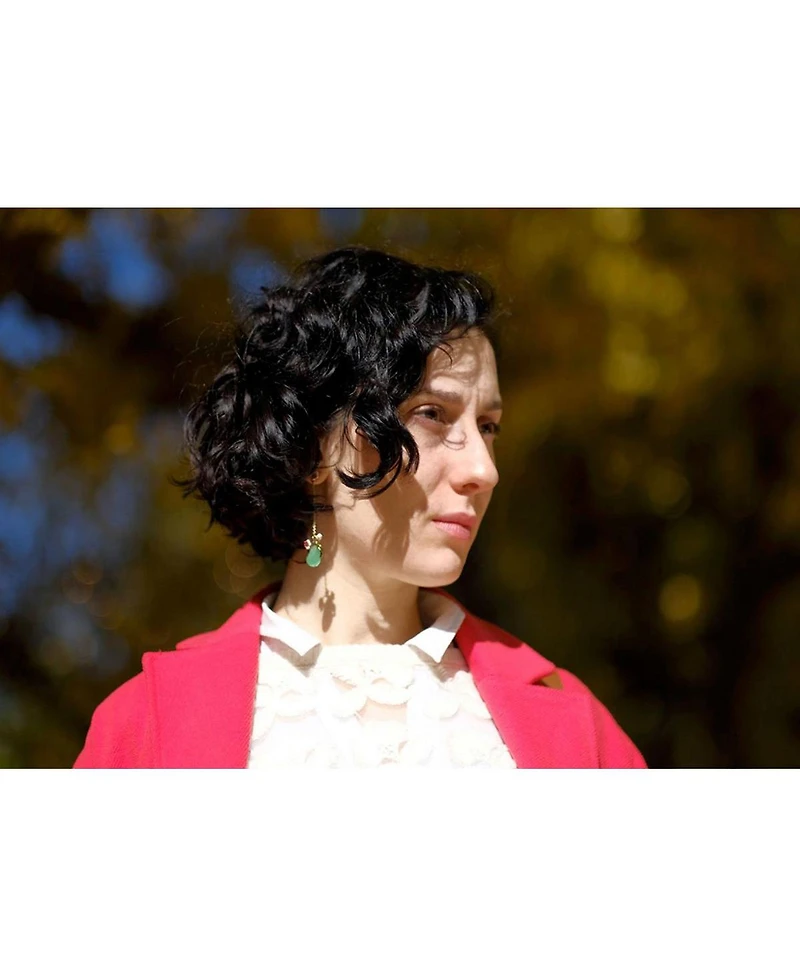

Hoya 82mm Prond Ex 8 Neutral Density 0.9 3-Stop Filter in Bloomington, MN
By Hoya
Current price: $88.90

Hoya 82mm Prond Ex 8 Neutral Density 0.9 3-Stop Filter in Bloomington, MN
Current price: $88.90
Loading Inventory...
Size: NO SIZE
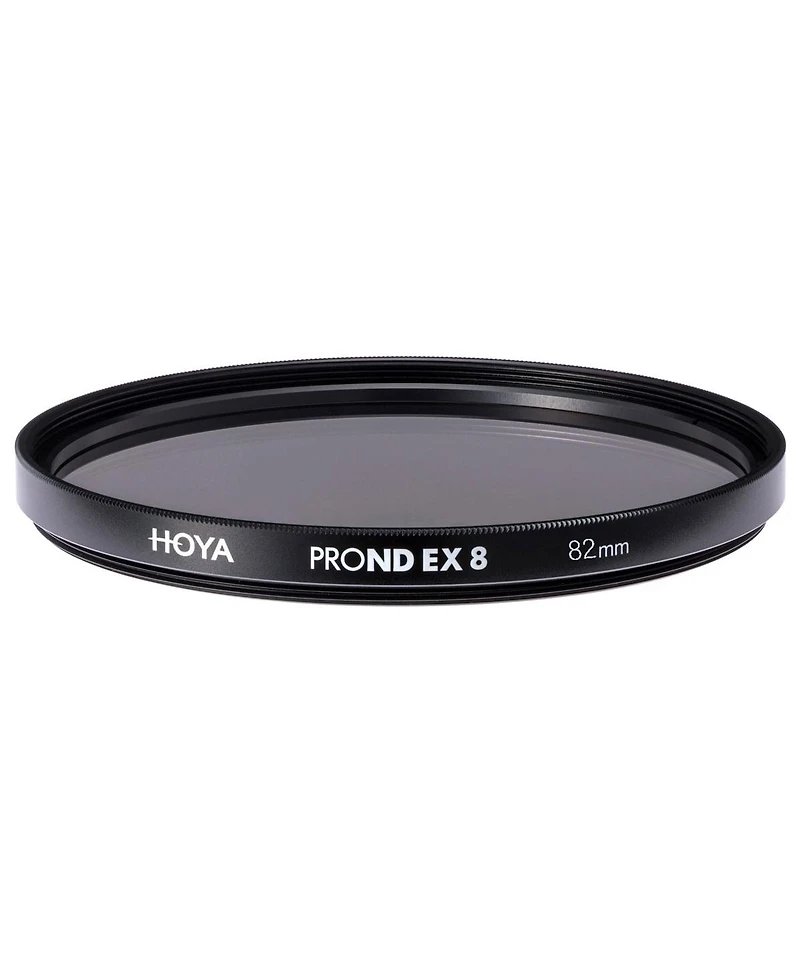
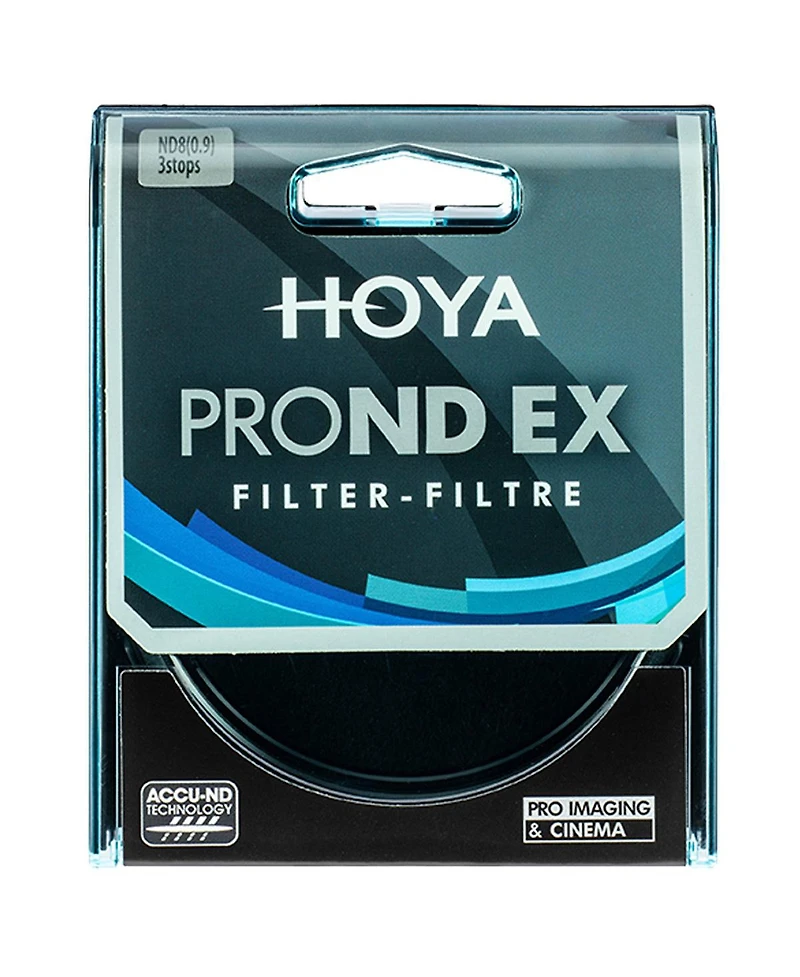
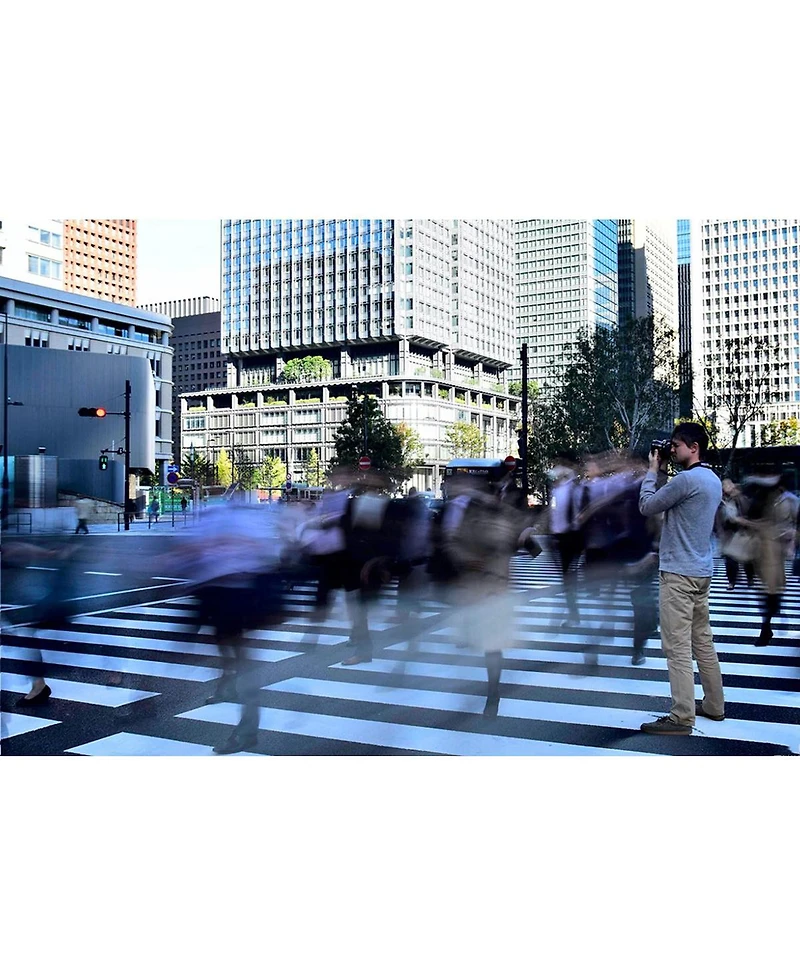
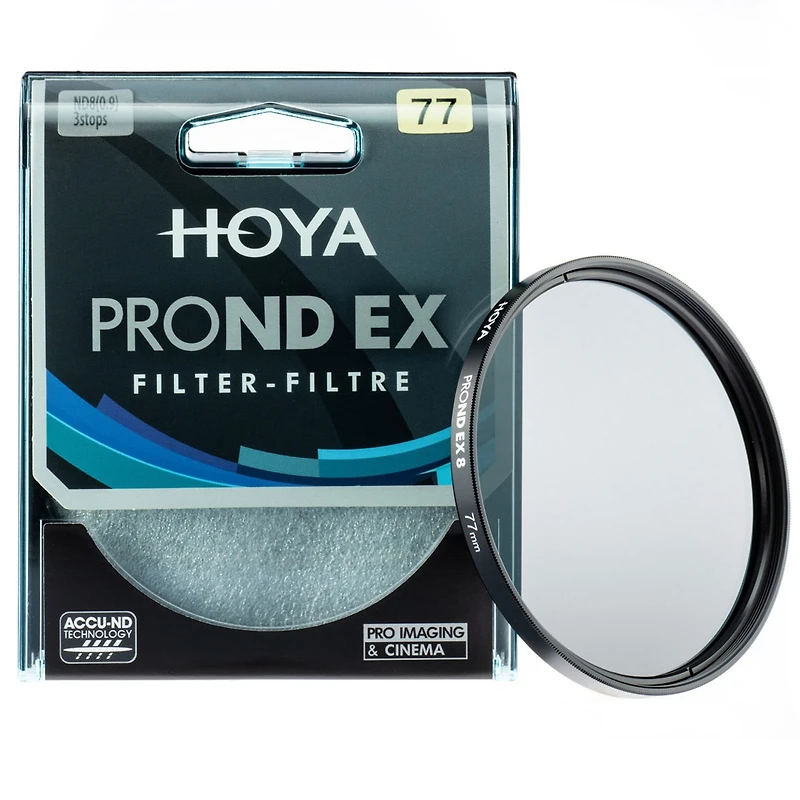
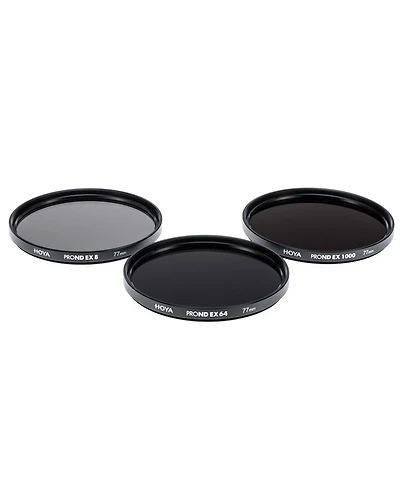
Before diving into the world of professional photography or filmmaking, it's crucial to understand the role of neutral density filters. These essential tools offer precise control over the amount of light that passes through the lens, enabling greater creative control over exposure. For filmmakers, this translates into shutter speeds that align perfectly with your frame-rate, all while maintaining the desired depth-of-field. Photographers, on the other hand, can leverage these filters to achieve longer exposures or a shallow depth-of-field even in bright sunlight.However, a common issue with many neutral density filters is the unpredictable ""color shift"". This problem often stems from low-quality materials, subpar manufacturing processes, and neglect of the infrared band of the light spectrum. This ""High Red"" transmission spike can lead to drastic and unpredictable color shifts, particularly as filter density and exposure times increase.Enter the 82mm Prond Ex 8 Neutral Density 0.9 3-Stop Filter. This high-quality filter employs Accu-nd technology to eliminate the negative effects of color shift that can occur due to inferior materials, poor manufacturing Qc, or issues with infrared band leakage. Hoya's exclusive Accu-nd technology ensures equal reduction of light in both visible and Ir spectrums. This means photographers and filmmakers can use Hoya Nd filters in various shooting conditions without worrying about color shift issues.The filter is housed in a lightweight, precision-milled aluminum frame and includes front filter threads. This allows for the attachment of additional filters or a protective lens cap. Video Nd filters, such as the Prond Ex 8, are also popular tools for shooting video. For instance, when shooting with a Sony camera in Slog mode, where the Iso cannot be set below 800, these filters are invaluable. To achieve natural motion, the shutter speed should be adjusted to the frame/rate setting. During daytime shooting, a combination of Prond Ex 8, Prond Ex 64, Prond Ex 1000, or a mix of these filters can help achieve cinematic quality.The choice of Nd filters largely depends on the photographer's intentions and the desired effect in the final image. If a single Nd filter doesn't meet the demands of the situation or the photographer's vision, a combination of Prond Ex filters can be used. For example, combining Prond Ex 8 + Prond Ex 64 results in an effect equivalent to an ND500 filter, perfect for creating surreal imagery. Similarly, a combination of Prond Ex 8 + Prond Ex 1000 equals an ND8000 effect, allowing you to capture the surface of the sun without overexposure..
Before diving into the world of professional photography or filmmaking, it's crucial to understand the role of neutral density filters. These essential tools offer precise control over the amount of light that passes through the lens, enabling greater creative control over exposure. For filmmakers, this translates into shutter speeds that align perfectly with your frame-rate, all while maintaining the desired depth-of-field. Photographers, on the other hand, can leverage these filters to achieve longer exposures or a shallow depth-of-field even in bright sunlight.However, a common issue with many neutral density filters is the unpredictable ""color shift"". This problem often stems from low-quality materials, subpar manufacturing processes, and neglect of the infrared band of the light spectrum. This ""High Red"" transmission spike can lead to drastic and unpredictable color shifts, particularly as filter density and exposure times increase.Enter the 82mm Prond Ex 8 Neutral Density 0.9 3-Stop Filter. This high-quality filter employs Accu-nd technology to eliminate the negative effects of color shift that can occur due to inferior materials, poor manufacturing Qc, or issues with infrared band leakage. Hoya's exclusive Accu-nd technology ensures equal reduction of light in both visible and Ir spectrums. This means photographers and filmmakers can use Hoya Nd filters in various shooting conditions without worrying about color shift issues.The filter is housed in a lightweight, precision-milled aluminum frame and includes front filter threads. This allows for the attachment of additional filters or a protective lens cap. Video Nd filters, such as the Prond Ex 8, are also popular tools for shooting video. For instance, when shooting with a Sony camera in Slog mode, where the Iso cannot be set below 800, these filters are invaluable. To achieve natural motion, the shutter speed should be adjusted to the frame/rate setting. During daytime shooting, a combination of Prond Ex 8, Prond Ex 64, Prond Ex 1000, or a mix of these filters can help achieve cinematic quality.The choice of Nd filters largely depends on the photographer's intentions and the desired effect in the final image. If a single Nd filter doesn't meet the demands of the situation or the photographer's vision, a combination of Prond Ex filters can be used. For example, combining Prond Ex 8 + Prond Ex 64 results in an effect equivalent to an ND500 filter, perfect for creating surreal imagery. Similarly, a combination of Prond Ex 8 + Prond Ex 1000 equals an ND8000 effect, allowing you to capture the surface of the sun without overexposure..
Shop Similar Products







More About Macy's at Mall of America®
An exceptional selection of fashion and affordable luxury has made Macy's a shopping destination known throughout the world. Whether its clothing, housewares, jewelry or makeup, find everything you're looking for at Macy's.
Store Info
Find Macy's at Mall of America® in Bloomington, MN
Visit Macy's at Mall of America® in Bloomington, MN