


Home
Hands-On GPU Computing with Python
Barnes and Noble
Loading Inventory...
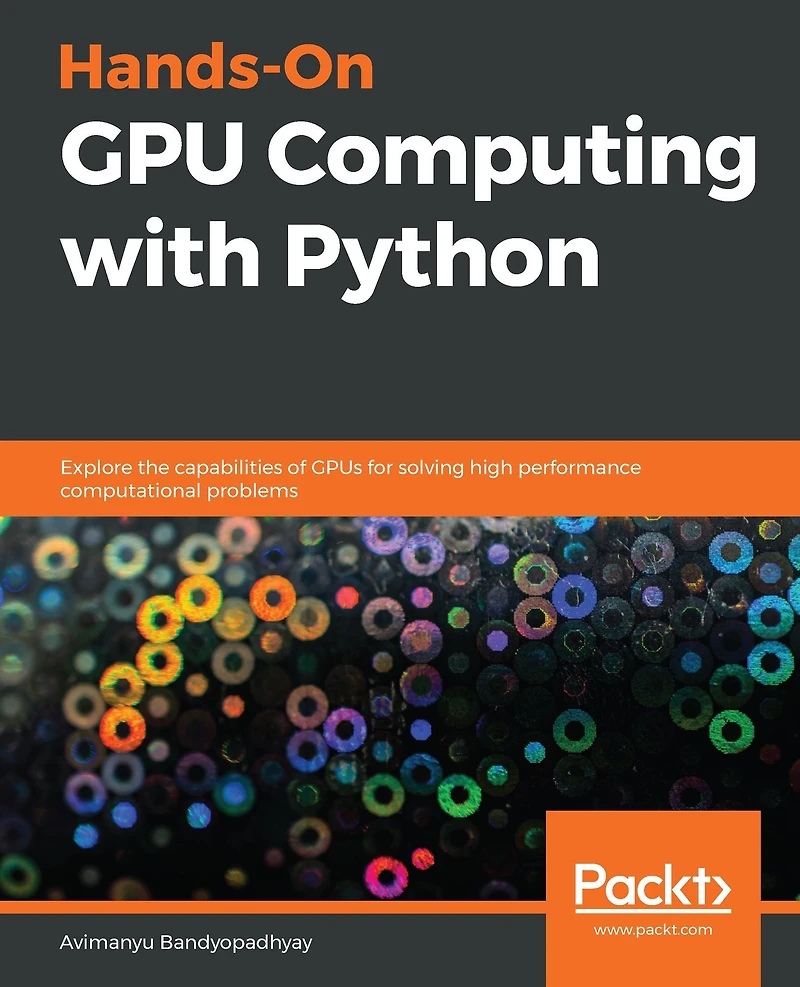
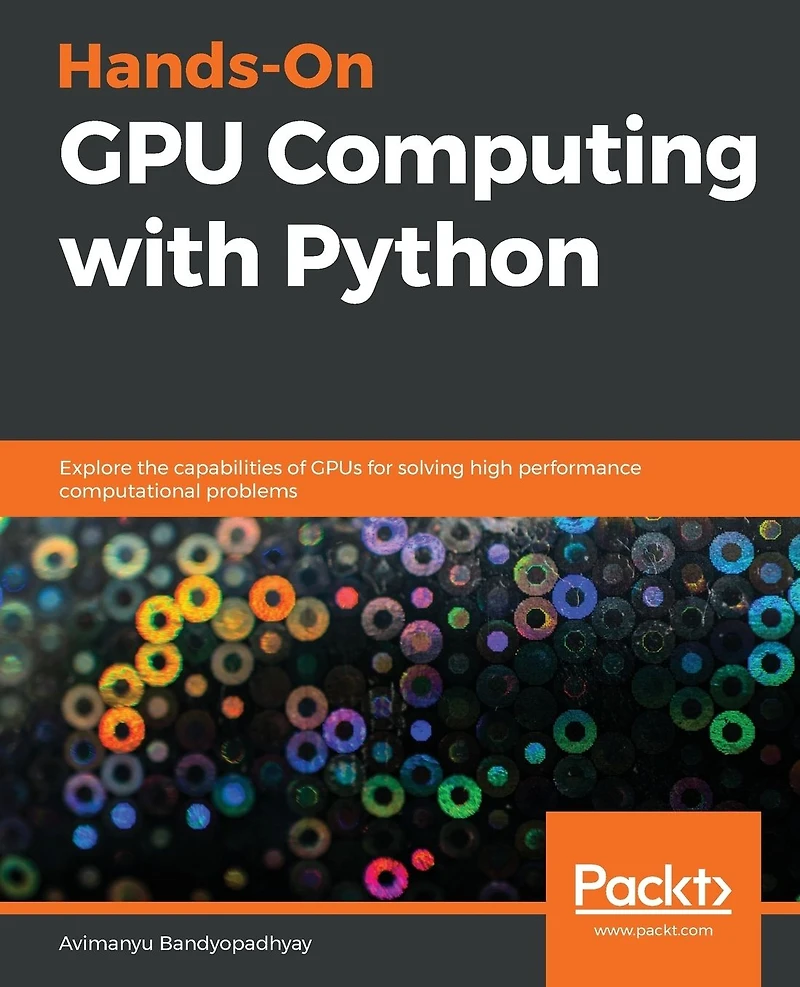
Hands-On GPU Computing with Python in Bloomington, MN
By Barnes & Noble
Current price: $30.99

Hands-On GPU Computing with Python in Bloomington, MN
Current price: $30.99
Loading Inventory...
Size: EBook
Explore a GPU-enabled programmable environment for machine learning, scientific applications, and gaming using PuCUDA, PyOpenGL, and Anaconda Accelerate Understand effective synchronization strategies for faster processing using GPUs Write parallel processing scripts with PyCuda and PyOpenCL Learn to use CUDA libraries such as CuDNN for deep learning on GPUs GPUs are proving to be excellent general purpose-parallel computing solutions for high-performance tasks such as deep learning and scientific computing. This book will be your guide to getting started with GPU computing. It begins by introducing GPU computing and explaining the GPU architecture and programming models. You will learn, by example, how to perform GPU programming with Python, and look at using integrations such as PyCUDA, PyOpenCL, CuPy, and Numba with Anaconda for various tasks such as machine learning and data mining. In addition to this, you will get to grips with GPU workflows, management, and deployment using modern containerization solutions. Toward the end of the book, you will get familiar with the principles of distributed computing for training machine learning models and enhancing efficiency and performance. By the end of this book, you will be able to set up a GPU ecosystem for running complex applications and data models that demand great processing capabilities, and be able to efficiently manage memory to compute your application effectively and quickly. Utilize Python libraries and frameworks for GPU acceleration Set up a GPU-enabled programmable machine learning environment on your system with Anaconda Deploy your machine learning system on cloud containers with illustrated examples Explore PyCUDA and PyOpenCL and compare them with platforms such as CUDA, OpenCL, and ROCm. Perform data mining tasks with machine learning models on GPUs Extend your knowledge of GPU computing in scientific applications Data scientists, machine learning enthusiasts, or professionals who want to get started with GPU computation and perform the complex tasks with low-latency will find this book useful. Intermediate knowledge of Python programming is assumed.
Explore a GPU-enabled programmable environment for machine learning, scientific applications, and gaming using PuCUDA, PyOpenGL, and Anaconda Accelerate Understand effective synchronization strategies for faster processing using GPUs Write parallel processing scripts with PyCuda and PyOpenCL Learn to use CUDA libraries such as CuDNN for deep learning on GPUs GPUs are proving to be excellent general purpose-parallel computing solutions for high-performance tasks such as deep learning and scientific computing. This book will be your guide to getting started with GPU computing. It begins by introducing GPU computing and explaining the GPU architecture and programming models. You will learn, by example, how to perform GPU programming with Python, and look at using integrations such as PyCUDA, PyOpenCL, CuPy, and Numba with Anaconda for various tasks such as machine learning and data mining. In addition to this, you will get to grips with GPU workflows, management, and deployment using modern containerization solutions. Toward the end of the book, you will get familiar with the principles of distributed computing for training machine learning models and enhancing efficiency and performance. By the end of this book, you will be able to set up a GPU ecosystem for running complex applications and data models that demand great processing capabilities, and be able to efficiently manage memory to compute your application effectively and quickly. Utilize Python libraries and frameworks for GPU acceleration Set up a GPU-enabled programmable machine learning environment on your system with Anaconda Deploy your machine learning system on cloud containers with illustrated examples Explore PyCUDA and PyOpenCL and compare them with platforms such as CUDA, OpenCL, and ROCm. Perform data mining tasks with machine learning models on GPUs Extend your knowledge of GPU computing in scientific applications Data scientists, machine learning enthusiasts, or professionals who want to get started with GPU computation and perform the complex tasks with low-latency will find this book useful. Intermediate knowledge of Python programming is assumed.
Shop Similar Products












Find at Mall of America® in Bloomington, MN
Visit at Mall of America® in Bloomington, MN