


Home
Graph Vision: Digital Architecture's Skeletons
Barnes and Noble
Loading Inventory...
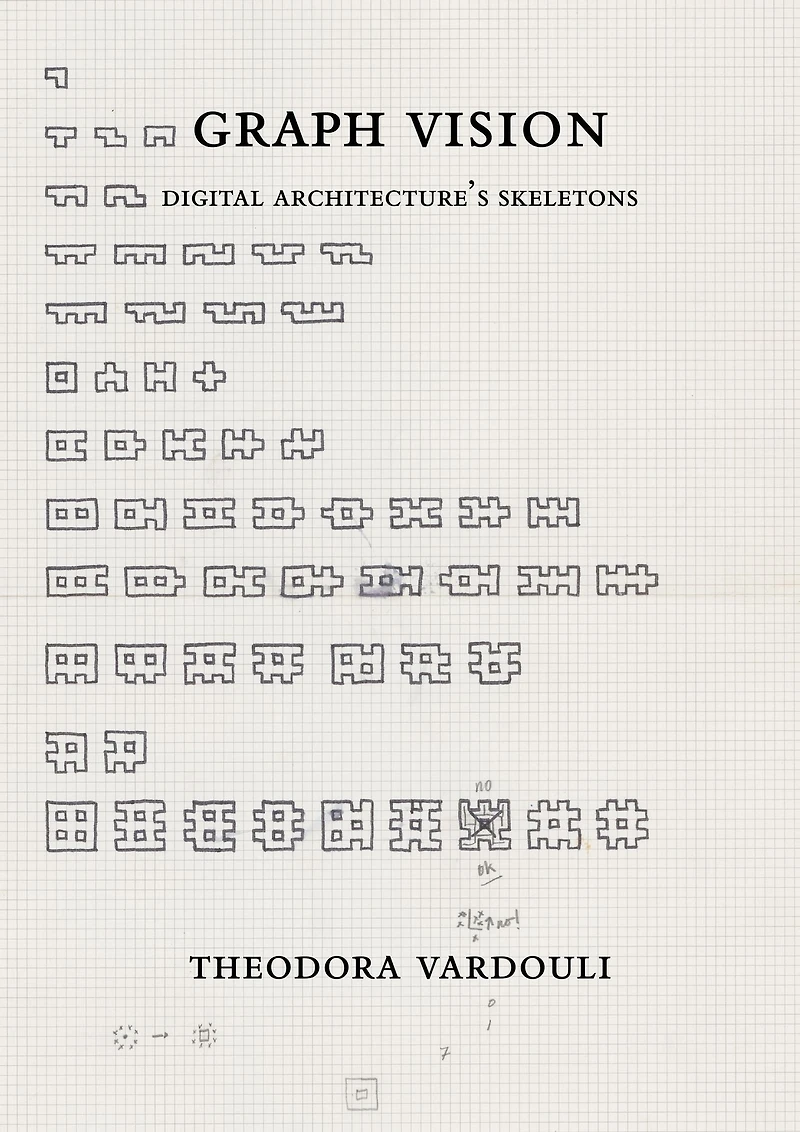
Graph Vision: Digital Architecture's Skeletons in Bloomington, MN
By Barnes & Noble
Current price: $36.99

Graph Vision: Digital Architecture's Skeletons in Bloomington, MN
Current price: $36.99
Loading Inventory...
Size: EBook
How a protean mathematical object, the graph, ushered in new images, tools, and infrastructures for design and catalyzed a digital future for architecture.In Graph Vision, Theodora Vardouli offers a fresh history of architecture’s early entanglements with modern mathematics and digital computing by focusing on a hidden protagonist: the graph. Fueled by iconoclastic sentiments and skepticism of geometric depiction, architects, she explains, turned to the skeletal underpinnings of their work, and with it the graph, as a site of representation, operation, and political possibility. Taking the reader on an enthralling journey through a polyvalent mathematical entity, Vardouli combines close readings of graphs’ architectural manifestations as images, tools, and infrastructures for design with original archival work on research centers that spearheaded mathematical and computational approaches to architecture.Structured thematically, Graph Vision weaves together archival findings on influential research groups such as the Land Use Built Form Studies Center at the University of Cambridge, the Center for Environmental Structure at Berkeley, the Architecture Machine Group at the Massachusetts Institute of Technology, among others, as well as important figures who led, or worked in proximity to, these groups, including Lionel March, Christopher Alexander, and Yona Friedman. Together, this material chronicles the emergence of both a new way of seeing and a new prospect for the discipline that prefigured its digital future—of a “graph vision.” Vardouli argues that this vision was one of vacillation toward visual appearance. Digital approaches to architecture, she ultimately reveals, were founded on a profound ambivalence toward the visual realm endemic to mid-twentieth century architectural and mathematical modernisms.
How a protean mathematical object, the graph, ushered in new images, tools, and infrastructures for design and catalyzed a digital future for architecture.In Graph Vision, Theodora Vardouli offers a fresh history of architecture’s early entanglements with modern mathematics and digital computing by focusing on a hidden protagonist: the graph. Fueled by iconoclastic sentiments and skepticism of geometric depiction, architects, she explains, turned to the skeletal underpinnings of their work, and with it the graph, as a site of representation, operation, and political possibility. Taking the reader on an enthralling journey through a polyvalent mathematical entity, Vardouli combines close readings of graphs’ architectural manifestations as images, tools, and infrastructures for design with original archival work on research centers that spearheaded mathematical and computational approaches to architecture.Structured thematically, Graph Vision weaves together archival findings on influential research groups such as the Land Use Built Form Studies Center at the University of Cambridge, the Center for Environmental Structure at Berkeley, the Architecture Machine Group at the Massachusetts Institute of Technology, among others, as well as important figures who led, or worked in proximity to, these groups, including Lionel March, Christopher Alexander, and Yona Friedman. Together, this material chronicles the emergence of both a new way of seeing and a new prospect for the discipline that prefigured its digital future—of a “graph vision.” Vardouli argues that this vision was one of vacillation toward visual appearance. Digital approaches to architecture, she ultimately reveals, were founded on a profound ambivalence toward the visual realm endemic to mid-twentieth century architectural and mathematical modernisms.
Shop Similar Products

















Find at Mall of America® in Bloomington, MN
Visit at Mall of America® in Bloomington, MN