


Home
Governing Corporate Social Responsibility the Apparel Industry after Rana Plaza
Barnes and Noble
Loading Inventory...
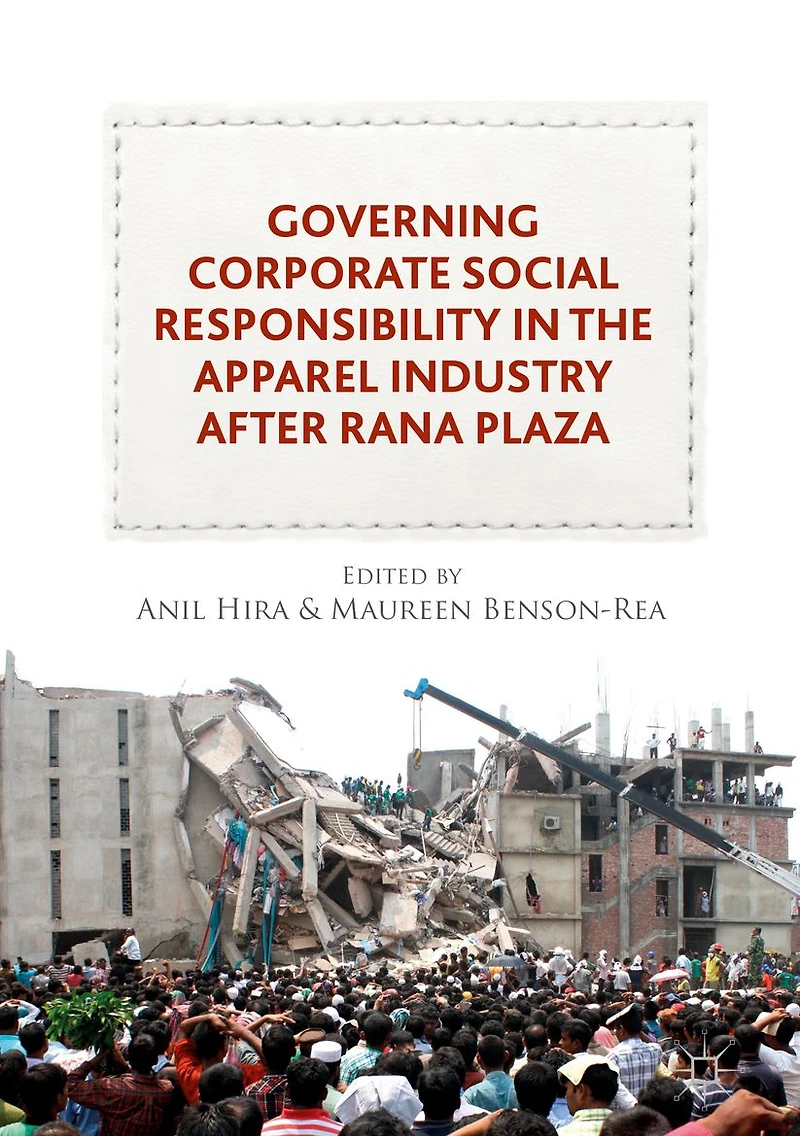
Governing Corporate Social Responsibility the Apparel Industry after Rana Plaza in Bloomington, MN
By Barnes & Noble
Current price: $129.00

Governing Corporate Social Responsibility the Apparel Industry after Rana Plaza in Bloomington, MN
Current price: $129.00
Loading Inventory...
Size: EBook
This edited collection critically explores the efforts of the apparel industry to improve safety conditions and suggests governance reforms that will resolve lingering issues. The volume examines two consortia: the Alliance and the Accord, which set up cooperative auditing systems of supplying factories and penalties for non-compliance, and include funding to help factories comply and for workers if factories are idled during repairs, though the editors raise doubts about the long-lasting value of such efforts. In the wake of the 2013 Rana Plaza disaster, leading researchers across labor relations and industry studies tackle and debate such issues, giving their perspective of how multinationals operating in developing countries should regulate labor standards in order to resolve and improve the substandard working conditions under which much of our clothing is made.
This edited collection critically explores the efforts of the apparel industry to improve safety conditions and suggests governance reforms that will resolve lingering issues. The volume examines two consortia: the Alliance and the Accord, which set up cooperative auditing systems of supplying factories and penalties for non-compliance, and include funding to help factories comply and for workers if factories are idled during repairs, though the editors raise doubts about the long-lasting value of such efforts. In the wake of the 2013 Rana Plaza disaster, leading researchers across labor relations and industry studies tackle and debate such issues, giving their perspective of how multinationals operating in developing countries should regulate labor standards in order to resolve and improve the substandard working conditions under which much of our clothing is made.
Shop Similar Products











Find at Mall of America® in Bloomington, MN
Visit at Mall of America® in Bloomington, MN