


Home
God Save the USSR: Soviet Muslims and Second World War
Barnes and Noble
Loading Inventory...
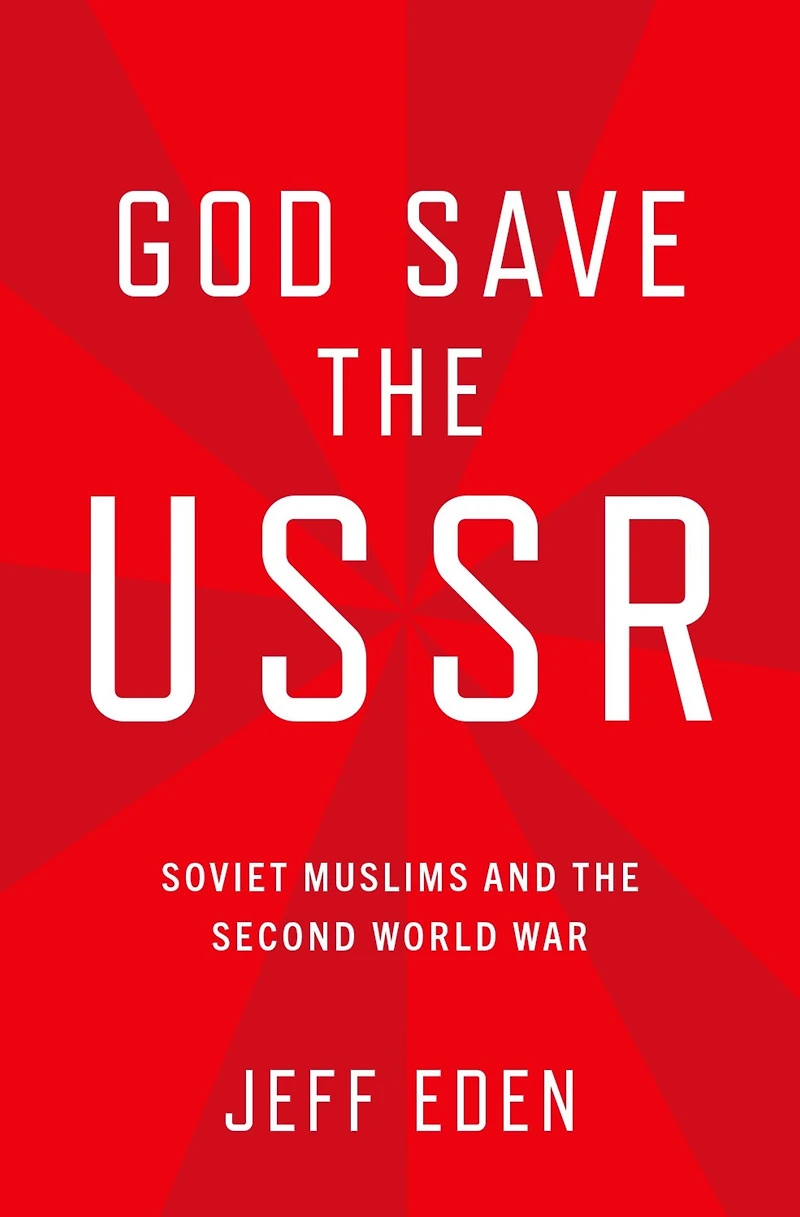
God Save the USSR: Soviet Muslims and Second World War in Bloomington, MN
By Barnes & Noble
Current price: $103.99

God Save the USSR: Soviet Muslims and Second World War in Bloomington, MN
Current price: $103.99
Loading Inventory...
Size: EBook
During the Second World War, as the Soviet Red Army was locked in brutal combat against the Nazis, Joseph Stalin ended the state's violent, decades-long persecution of religion. In a stunning reversal, priests, imams, rabbis, and other religious elitesmany of them newly-released from the Gulagwere tasked with rallying Soviet citizens to a "Holy War" against Hitler. To the delight of some citizens, and to the horror of others, Stalin's reversal encouraged a widespread perception that his "war on religion" was over. A revolution in Soviet religious life ensued: soldiers prayed on the battlefield, entire villages celebrated once-banned holidays, and state-backed religious leaders used their new positions not only to consolidate power over their communities, but also to petition for further religious freedoms. Offering a window on this wartime "religious revolution," God Save the USSR focuses on the Soviet Union's Muslims, using sources in several languages (including Russian, Tatar, Bashkir, Uzbek, and Persian). Drawing evidence from eyewitness accounts, interviews, soldiers' letters, frontline poetry, agents' reports, petitions, and the words of Soviet Muslim leaders, Jeff Eden argues that the religious revolution was fomented simultaneously by the state and by religious Soviet citizens: the state gave an inch, and many citizens took a mile, as atheist Soviet agents looked on in exasperation at the resurgence of unconcealed devotional life.
During the Second World War, as the Soviet Red Army was locked in brutal combat against the Nazis, Joseph Stalin ended the state's violent, decades-long persecution of religion. In a stunning reversal, priests, imams, rabbis, and other religious elitesmany of them newly-released from the Gulagwere tasked with rallying Soviet citizens to a "Holy War" against Hitler. To the delight of some citizens, and to the horror of others, Stalin's reversal encouraged a widespread perception that his "war on religion" was over. A revolution in Soviet religious life ensued: soldiers prayed on the battlefield, entire villages celebrated once-banned holidays, and state-backed religious leaders used their new positions not only to consolidate power over their communities, but also to petition for further religious freedoms. Offering a window on this wartime "religious revolution," God Save the USSR focuses on the Soviet Union's Muslims, using sources in several languages (including Russian, Tatar, Bashkir, Uzbek, and Persian). Drawing evidence from eyewitness accounts, interviews, soldiers' letters, frontline poetry, agents' reports, petitions, and the words of Soviet Muslim leaders, Jeff Eden argues that the religious revolution was fomented simultaneously by the state and by religious Soviet citizens: the state gave an inch, and many citizens took a mile, as atheist Soviet agents looked on in exasperation at the resurgence of unconcealed devotional life.
Shop Similar Products










Find at Mall of America® in Bloomington, MN
Visit at Mall of America® in Bloomington, MN