


Home
Global Politics of Welsh Patagonia: Settler Colonialism from the Margins
Barnes and Noble
Loading Inventory...
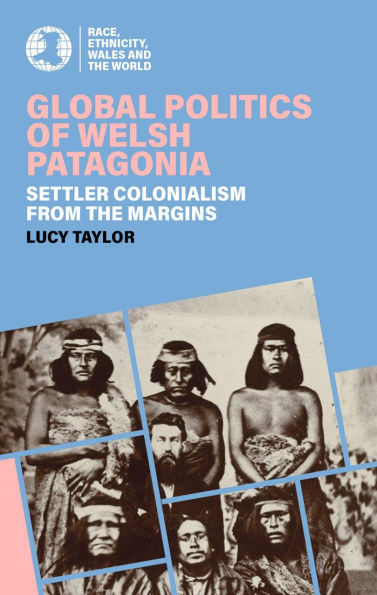
Global Politics of Welsh Patagonia: Settler Colonialism from the Margins in Bloomington, MN
Current price: $31.00

Global Politics of Welsh Patagonia: Settler Colonialism from the Margins in Bloomington, MN
Current price: $31.00
Loading Inventory...
Size: Paperback
A necessary examination of Wales and its Patagonian settlement Y Wladfa through a decolonial lens.
Inspired by decolonial thinking,
Global Politics of Welsh Patagonia
challenges romantic images of Y Wladfa, the Welsh Patagonian settlement founded in 1865. Drawing on archival sources written in Spanish, Welsh, and English, it exposes the complex human relationships of this settler colony and disrupts the myth of Welsh-Indigenous friendship by foregrounding Indigenous experience and revealing underrepresented accounts in the record. A newly developed framework applies three logicspossession, racialization/barbarization, and assimilationto make sense of settler colonialism in Patagonia and to debate Wales’s complex position as both colonized and colonizer. A new analysis of contemporary cultural products (television, film, textbooks) further demonstrates how the romantic view continues to shape racial stereotypes today, concluding that such settlerorigin countries as Wales are vital sites of decolonial debate.
Inspired by decolonial thinking,
Global Politics of Welsh Patagonia
challenges romantic images of Y Wladfa, the Welsh Patagonian settlement founded in 1865. Drawing on archival sources written in Spanish, Welsh, and English, it exposes the complex human relationships of this settler colony and disrupts the myth of Welsh-Indigenous friendship by foregrounding Indigenous experience and revealing underrepresented accounts in the record. A newly developed framework applies three logicspossession, racialization/barbarization, and assimilationto make sense of settler colonialism in Patagonia and to debate Wales’s complex position as both colonized and colonizer. A new analysis of contemporary cultural products (television, film, textbooks) further demonstrates how the romantic view continues to shape racial stereotypes today, concluding that such settlerorigin countries as Wales are vital sites of decolonial debate.
A necessary examination of Wales and its Patagonian settlement Y Wladfa through a decolonial lens.
Inspired by decolonial thinking,
Global Politics of Welsh Patagonia
challenges romantic images of Y Wladfa, the Welsh Patagonian settlement founded in 1865. Drawing on archival sources written in Spanish, Welsh, and English, it exposes the complex human relationships of this settler colony and disrupts the myth of Welsh-Indigenous friendship by foregrounding Indigenous experience and revealing underrepresented accounts in the record. A newly developed framework applies three logicspossession, racialization/barbarization, and assimilationto make sense of settler colonialism in Patagonia and to debate Wales’s complex position as both colonized and colonizer. A new analysis of contemporary cultural products (television, film, textbooks) further demonstrates how the romantic view continues to shape racial stereotypes today, concluding that such settlerorigin countries as Wales are vital sites of decolonial debate.
Inspired by decolonial thinking,
Global Politics of Welsh Patagonia
challenges romantic images of Y Wladfa, the Welsh Patagonian settlement founded in 1865. Drawing on archival sources written in Spanish, Welsh, and English, it exposes the complex human relationships of this settler colony and disrupts the myth of Welsh-Indigenous friendship by foregrounding Indigenous experience and revealing underrepresented accounts in the record. A newly developed framework applies three logicspossession, racialization/barbarization, and assimilationto make sense of settler colonialism in Patagonia and to debate Wales’s complex position as both colonized and colonizer. A new analysis of contemporary cultural products (television, film, textbooks) further demonstrates how the romantic view continues to shape racial stereotypes today, concluding that such settlerorigin countries as Wales are vital sites of decolonial debate.
Shop Similar Products













Find at Mall of America® in Bloomington, MN
Visit at Mall of America® in Bloomington, MN