


Home
Geometry learning mediated by Cabri-G�om�tre software
Barnes and Noble
Loading Inventory...
Geometry learning mediated by Cabri-G�om�tre software in Bloomington, MN
Current price: $59.00

Geometry learning mediated by Cabri-G�om�tre software in Bloomington, MN
Current price: $59.00
Loading Inventory...
Size: OS
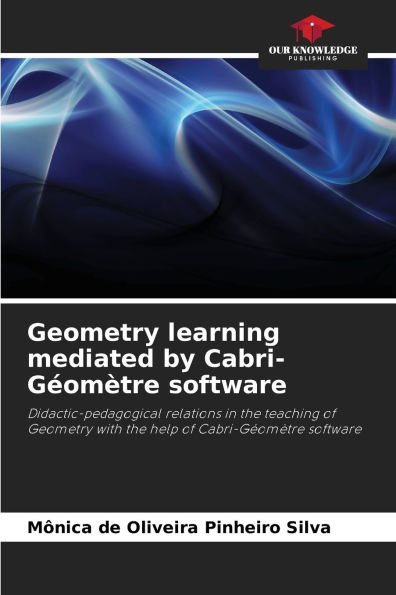
This study is the result of research that culminated in our master's dissertation, which looked at the various phases of learning in the light of Guy Brousseau's theory of didactic situations. It was developed from a qualitative perspective, prioritizing the context of the relationships and interactions that took place in a learning environment, supported by dynamic geometry software, with the involvement of 37 students from a school in Curitiba. There were six sessions of observation of mathematics classes that dealt with the teaching of quadrilaterals. The analysis showed that the students who already had a command of the computer and did so with skill, had difficulties when dealing with the software. This suggests a "student-machine" paradox, that is, even though they have the skills to deal with the computer, the student is challenged with the minimum skills required to deal with the software. Faced with this situation, new didactic contracts emerge to replace the previous ones. The study shows that the didactic contracts established between student, teacher and knowledge, when broken, open up as an opportunity to take new paths towards full learning.
This study is the result of research that culminated in our master's dissertation, which looked at the various phases of learning in the light of Guy Brousseau's theory of didactic situations. It was developed from a qualitative perspective, prioritizing the context of the relationships and interactions that took place in a learning environment, supported by dynamic geometry software, with the involvement of 37 students from a school in Curitiba. There were six sessions of observation of mathematics classes that dealt with the teaching of quadrilaterals. The analysis showed that the students who already had a command of the computer and did so with skill, had difficulties when dealing with the software. This suggests a "student-machine" paradox, that is, even though they have the skills to deal with the computer, the student is challenged with the minimum skills required to deal with the software. Faced with this situation, new didactic contracts emerge to replace the previous ones. The study shows that the didactic contracts established between student, teacher and knowledge, when broken, open up as an opportunity to take new paths towards full learning.













Find at Mall of America® in Bloomington, MN
Visit at Mall of America® in Bloomington, MN