


Home
Geometric Algebra for Computer Graphics
Barnes and Noble
Loading Inventory...
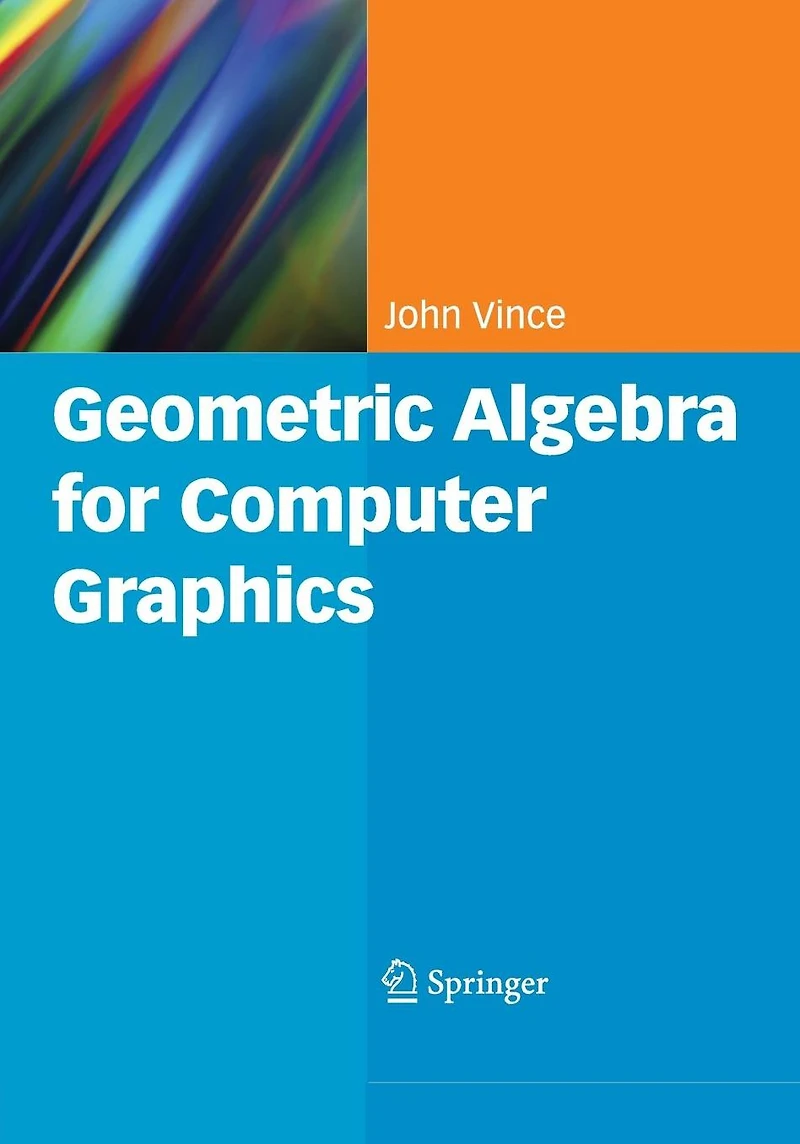
Geometric Algebra for Computer Graphics in Bloomington, MN
By Barnes & Noble
Current price: $99.00

Geometric Algebra for Computer Graphics in Bloomington, MN
Current price: $99.00
Loading Inventory...
Size: Paperback
Geometric algebra (a Clifford Algebra) has been applied to different branches of physics for a long time but is now being adopted by the computer graphics community and is providing exciting new ways of solving 3D geometric problems. John Vince (author of numerous books including ‘Geometry for Computer Graphics’ and ‘Vector Analysis for Computer Graphics’) has tackled this complex subject in his usual inimitable style, and provided an accessible and very readable introduction. As well as putting geometric algebra into its historical context, John tackles complex numbers and quaternions; the nature of wedge product and geometric product; reflections and rotations (showing how geometric algebra can offer a powerful way of describing orientations of objects and virtual cameras); and how to implement lines, planes, volumes and intersections. Introductory chapters also look at algebraic axioms, vector algebra and geometric conventions and the book closes with a chapter on how the algebra is applied to computer graphics.
Geometric algebra (a Clifford Algebra) has been applied to different branches of physics for a long time but is now being adopted by the computer graphics community and is providing exciting new ways of solving 3D geometric problems. John Vince (author of numerous books including ‘Geometry for Computer Graphics’ and ‘Vector Analysis for Computer Graphics’) has tackled this complex subject in his usual inimitable style, and provided an accessible and very readable introduction. As well as putting geometric algebra into its historical context, John tackles complex numbers and quaternions; the nature of wedge product and geometric product; reflections and rotations (showing how geometric algebra can offer a powerful way of describing orientations of objects and virtual cameras); and how to implement lines, planes, volumes and intersections. Introductory chapters also look at algebraic axioms, vector algebra and geometric conventions and the book closes with a chapter on how the algebra is applied to computer graphics.
Shop Similar Products








Find at Mall of America® in Bloomington, MN
Visit at Mall of America® in Bloomington, MN