


Home
From Still Life to the Screen: Print Culture, Display, and the Materiality of the Image in Eighteenth-Century London
Barnes and Noble
Loading Inventory...
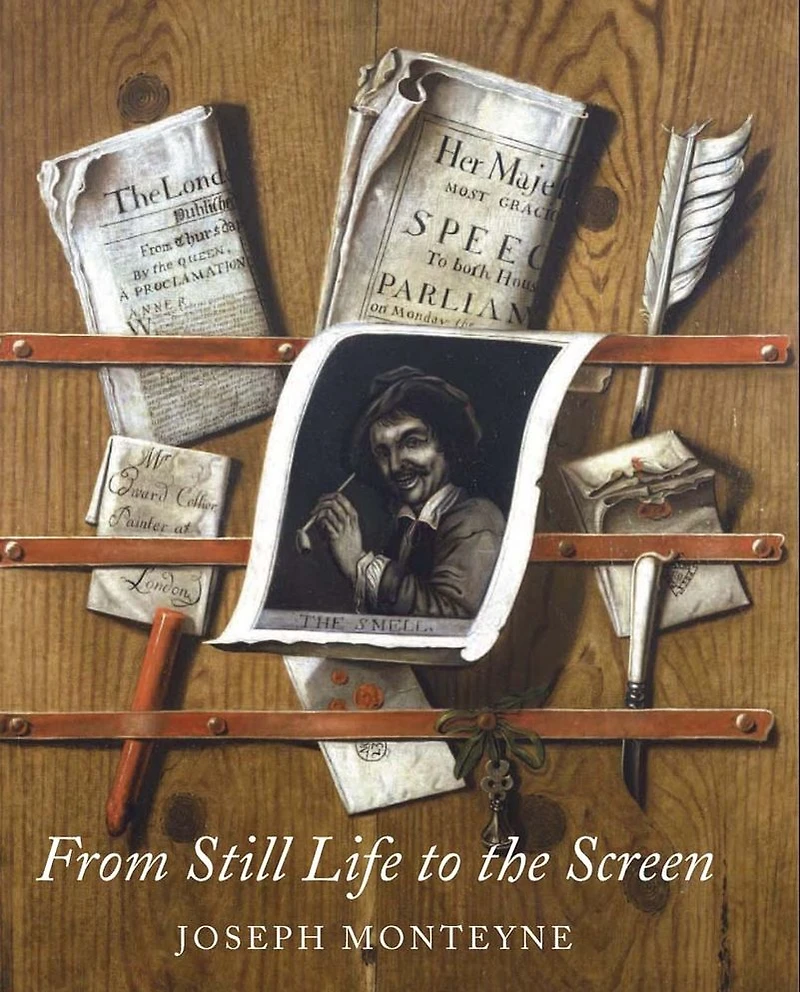
From Still Life to the Screen: Print Culture, Display, and the Materiality of the Image in Eighteenth-Century London in Bloomington, MN
By Barnes & Noble
Current price: $45.00

From Still Life to the Screen: Print Culture, Display, and the Materiality of the Image in Eighteenth-Century London in Bloomington, MN
Current price: $45.00
Loading Inventory...
Size: Hardcover
From Still Life to the Screen explores the print culture of 18thcentury London, focusing on the correspondences between images and consumer objects. In his lively and insightful text, Joseph Monteyne considers such themes as the display of objects in still lifes and markets, the connoisseur’s fetishistic gaze, and the fusion of body and ornament in satires of fashion. The desire for goods emerged in tandem with modern notions of identity, in which things were seen to mirror and symbolize the self. Prints, particularly graphic satires by such artists as Matthew and Mary Darly, James Gillray, William Hogarth, Thomas Rowlandson, and Paul Sandby, were actively involved in this shift. Many of these images play with the boundaries between the animate and the inanimate, self and thing. They also reveal the recurring motif of image display, whether on screens, by magic lanterns, or in “rareeshows” and printshop windows. The author links this motif to new conceptions of the self, specifically through the penetration of spectacle into everyday experience.Published for the Paul Mellon Centre for Studies in British Art
From Still Life to the Screen explores the print culture of 18thcentury London, focusing on the correspondences between images and consumer objects. In his lively and insightful text, Joseph Monteyne considers such themes as the display of objects in still lifes and markets, the connoisseur’s fetishistic gaze, and the fusion of body and ornament in satires of fashion. The desire for goods emerged in tandem with modern notions of identity, in which things were seen to mirror and symbolize the self. Prints, particularly graphic satires by such artists as Matthew and Mary Darly, James Gillray, William Hogarth, Thomas Rowlandson, and Paul Sandby, were actively involved in this shift. Many of these images play with the boundaries between the animate and the inanimate, self and thing. They also reveal the recurring motif of image display, whether on screens, by magic lanterns, or in “rareeshows” and printshop windows. The author links this motif to new conceptions of the self, specifically through the penetration of spectacle into everyday experience.Published for the Paul Mellon Centre for Studies in British Art
Shop Similar Products













Find at Mall of America® in Bloomington, MN
Visit at Mall of America® in Bloomington, MN