


Home
Freud and Religion: Advancing the Dialogue
Barnes and Noble
Loading Inventory...
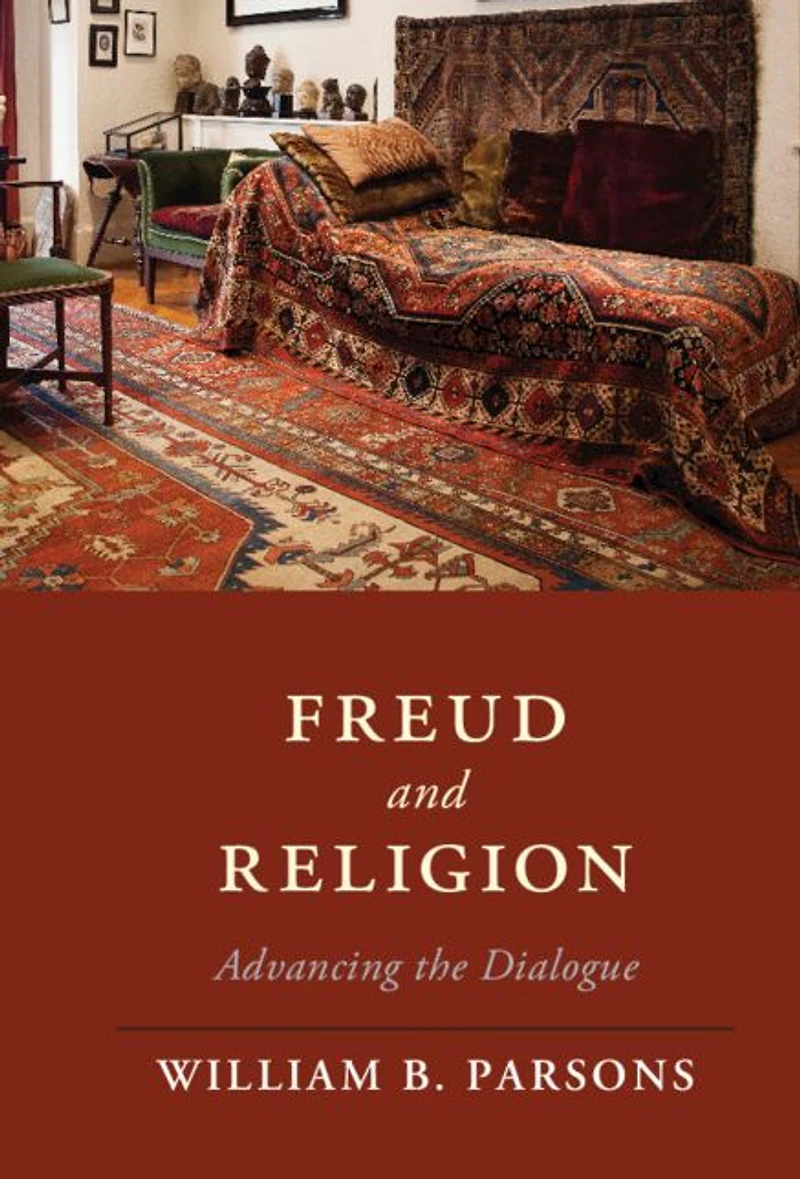
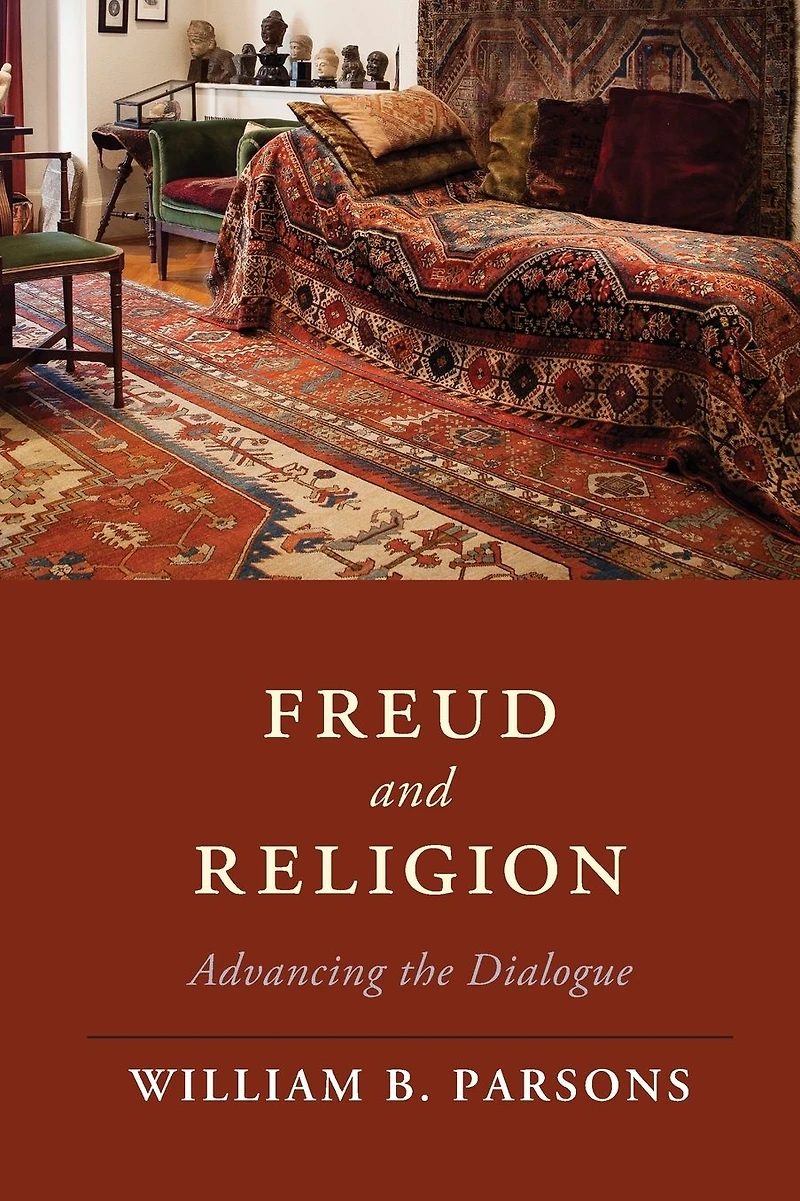
Freud and Religion: Advancing the Dialogue in Bloomington, MN
By Barnes & Noble
Current price: $41.00

Freud and Religion: Advancing the Dialogue in Bloomington, MN
Current price: $41.00
Loading Inventory...
Size: EBook
We live in an era that often described as 'therapeutic.' Our culture is suffused with unconscious fantasies and psychoanalytic ways of thinking about self, other, and society. Aspects of the Freudian cultural universe have also had an impact on how we think about religion. In this volume, William Parsons explores the relationship between religion and psychoanalysis through multiple, linked investigations. Why did Freud write about religion and what did he say? What were the multiple critiques levelled at his work? What were the post-Freudian psychoanalytic advances? How can we still apply psychoanalytic ideas going forward? In answering these and related questions, Parsons distinguishes between classic-reductive, adaptive, and transformational psychoanalytic models. He also argues that the psychoanalytic theory of religion needs to integrate reflexive, dialogical, and inclusive elements as part of its toolkit. Offering illustrations and applications of such revisions, Parsons creates new capacities for thinking psychologically and critically about religion.
We live in an era that often described as 'therapeutic.' Our culture is suffused with unconscious fantasies and psychoanalytic ways of thinking about self, other, and society. Aspects of the Freudian cultural universe have also had an impact on how we think about religion. In this volume, William Parsons explores the relationship between religion and psychoanalysis through multiple, linked investigations. Why did Freud write about religion and what did he say? What were the multiple critiques levelled at his work? What were the post-Freudian psychoanalytic advances? How can we still apply psychoanalytic ideas going forward? In answering these and related questions, Parsons distinguishes between classic-reductive, adaptive, and transformational psychoanalytic models. He also argues that the psychoanalytic theory of religion needs to integrate reflexive, dialogical, and inclusive elements as part of its toolkit. Offering illustrations and applications of such revisions, Parsons creates new capacities for thinking psychologically and critically about religion.
Shop Similar Products








Find at Mall of America® in Bloomington, MN
Visit at Mall of America® in Bloomington, MN