


Home
Fragmentation East Central Europe: Poland and the Baltics, 1915-1929
Barnes and Noble
Loading Inventory...
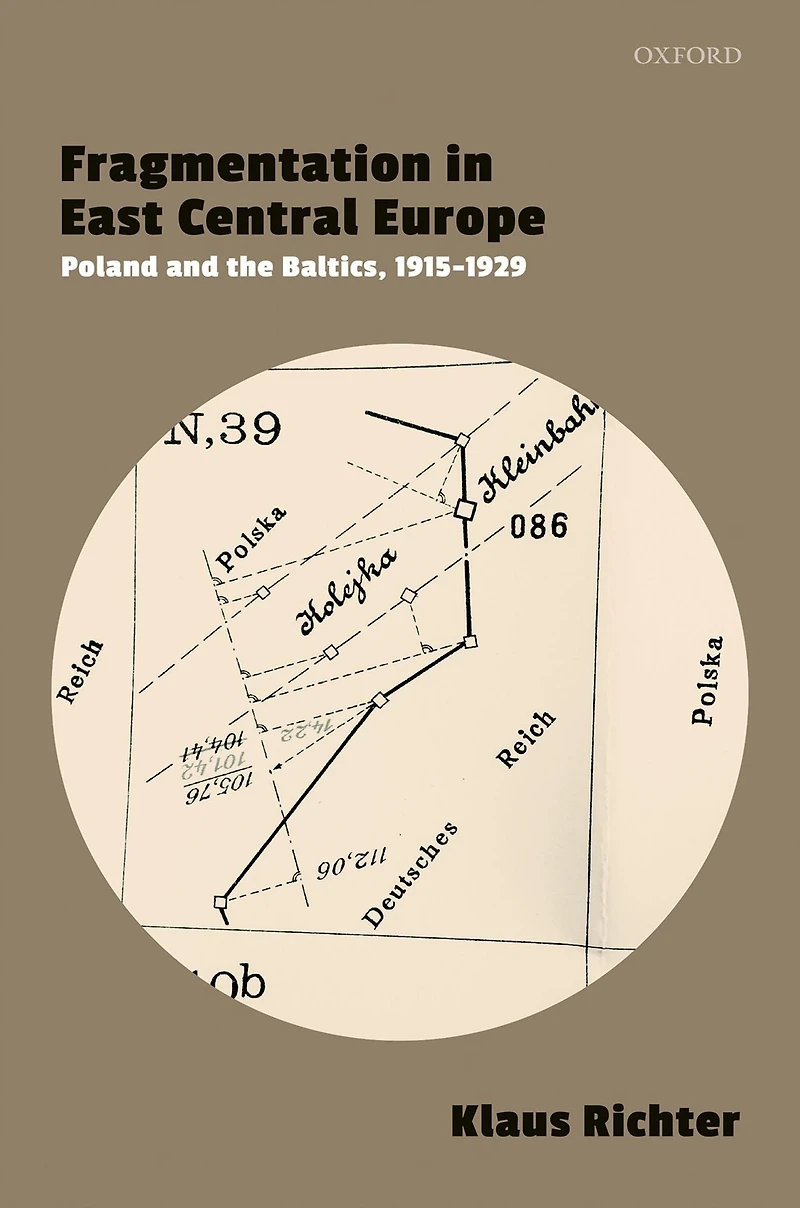
Fragmentation East Central Europe: Poland and the Baltics, 1915-1929 in Bloomington, MN
By Barnes & Noble
Current price: $115.99

Fragmentation East Central Europe: Poland and the Baltics, 1915-1929 in Bloomington, MN
Current price: $115.99
Loading Inventory...
Size: EBook
The First World War led to a radical reshaping of Europe's political borders. Nowhere was this transformation more profound than in East Central Europe, where the collapse of imperial rule led to the emergence of a series of new states. New borders intersected centuries-old networks of commercial, cultural, and social exchange. The new states had to face the challenges posed by territorial fragmentation and at the same time establish durable state structures within an international order that viewed them as, at best, weak, and at worst, as merely provisional entities that would sooner or later be reintegrated into their larger neighbours' territory. Fragmentation in East Central Europe challenges the traditional view that the emergence of these states was the product of a radical rupture that naturally led from defunct empires to nation states. Using the example of Poland and the Baltic States, it retraces the roots of the interwar states of East Central Europe, of their policies, economic developments, and of their conflicts back to the First World War. At the same time, it shows that these states learned to harness the dynamics caused by territorial fragmentation, thus forever changing our understanding of what modern states can do.
The First World War led to a radical reshaping of Europe's political borders. Nowhere was this transformation more profound than in East Central Europe, where the collapse of imperial rule led to the emergence of a series of new states. New borders intersected centuries-old networks of commercial, cultural, and social exchange. The new states had to face the challenges posed by territorial fragmentation and at the same time establish durable state structures within an international order that viewed them as, at best, weak, and at worst, as merely provisional entities that would sooner or later be reintegrated into their larger neighbours' territory. Fragmentation in East Central Europe challenges the traditional view that the emergence of these states was the product of a radical rupture that naturally led from defunct empires to nation states. Using the example of Poland and the Baltic States, it retraces the roots of the interwar states of East Central Europe, of their policies, economic developments, and of their conflicts back to the First World War. At the same time, it shows that these states learned to harness the dynamics caused by territorial fragmentation, thus forever changing our understanding of what modern states can do.
Shop Similar Products









Find at Mall of America® in Bloomington, MN
Visit at Mall of America® in Bloomington, MN