


Home
Foreign Affections: Essays on Edmund Burke
Barnes and Noble
Loading Inventory...
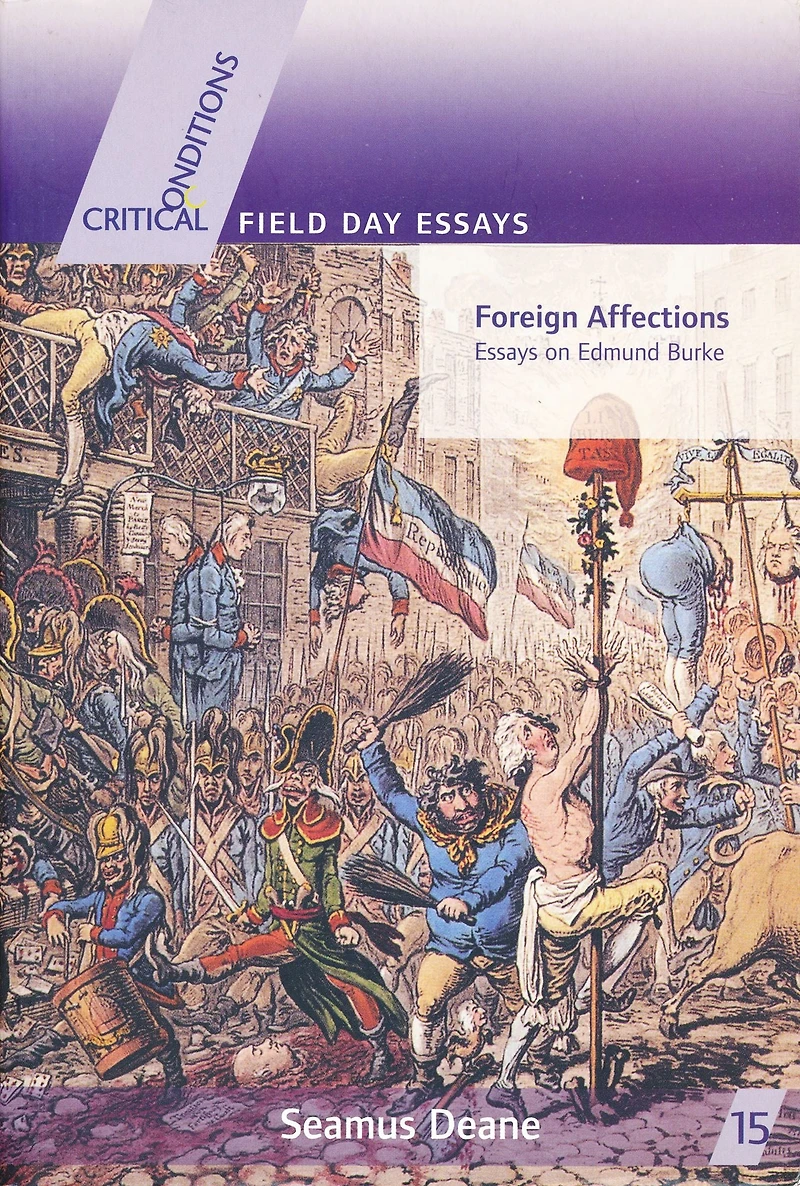
Foreign Affections: Essays on Edmund Burke in Bloomington, MN
By Barnes & Noble
Current price: $30.00

Foreign Affections: Essays on Edmund Burke in Bloomington, MN
Current price: $30.00
Loading Inventory...
Size: Paperback
This intriguing collection of essays is dominated by the figure of Edmund Burke and by accounts of the ways in which he and some of those he influenced understood the revolutionary changes that produced the modern world. The issues of liberty and empire, faction and revolution, universality, equality, authority, sectarian vice and democratic virtue are central here. Dominating them all is the question of how traditional feeling and affection can be retained within the revolutionary and colonial worlds that emerged at the close of the eighteenth century. The answers to these questions emerge from the different interpretations of the American and French Revolutions that were to be so influential for generations after Burke. In addition, he posed the colonial question in Ireland before it was posed more generally. Was liberty compatible with colonial rule? Ultimately, Burke secured his position by his condemnation of colonial as well as revolutionary violence. But in the works of Burke’s contemporaries, especially deTocqueville and Acton, colonial atrocity is condoned or supported while revolutionary violence is condemned out of hand. This, it is argued here, is constitutive of the European anti-revolutionary position which Burke helped to create but to which he nevertheless remains alien.
This intriguing collection of essays is dominated by the figure of Edmund Burke and by accounts of the ways in which he and some of those he influenced understood the revolutionary changes that produced the modern world. The issues of liberty and empire, faction and revolution, universality, equality, authority, sectarian vice and democratic virtue are central here. Dominating them all is the question of how traditional feeling and affection can be retained within the revolutionary and colonial worlds that emerged at the close of the eighteenth century. The answers to these questions emerge from the different interpretations of the American and French Revolutions that were to be so influential for generations after Burke. In addition, he posed the colonial question in Ireland before it was posed more generally. Was liberty compatible with colonial rule? Ultimately, Burke secured his position by his condemnation of colonial as well as revolutionary violence. But in the works of Burke’s contemporaries, especially deTocqueville and Acton, colonial atrocity is condoned or supported while revolutionary violence is condemned out of hand. This, it is argued here, is constitutive of the European anti-revolutionary position which Burke helped to create but to which he nevertheless remains alien.
Shop Similar Products

![On The Sublime And Beautiful [ By: Edmund Burke ]](https://cdn.mall.adeptmind.ai/https%253A%252F%252Fcdn.shopify.com%252Fs%252Ffiles%252F1%252F0674%252F5433%252F7265%252Ffiles%252F2940012636669_p0.jpg_medium.webp)







Find at Mall of America® in Bloomington, MN
Visit at Mall of America® in Bloomington, MN