


Home
Fiscal Capacity and the Colonial State Asia Africa, c.1850-1960
Barnes and Noble
Loading Inventory...
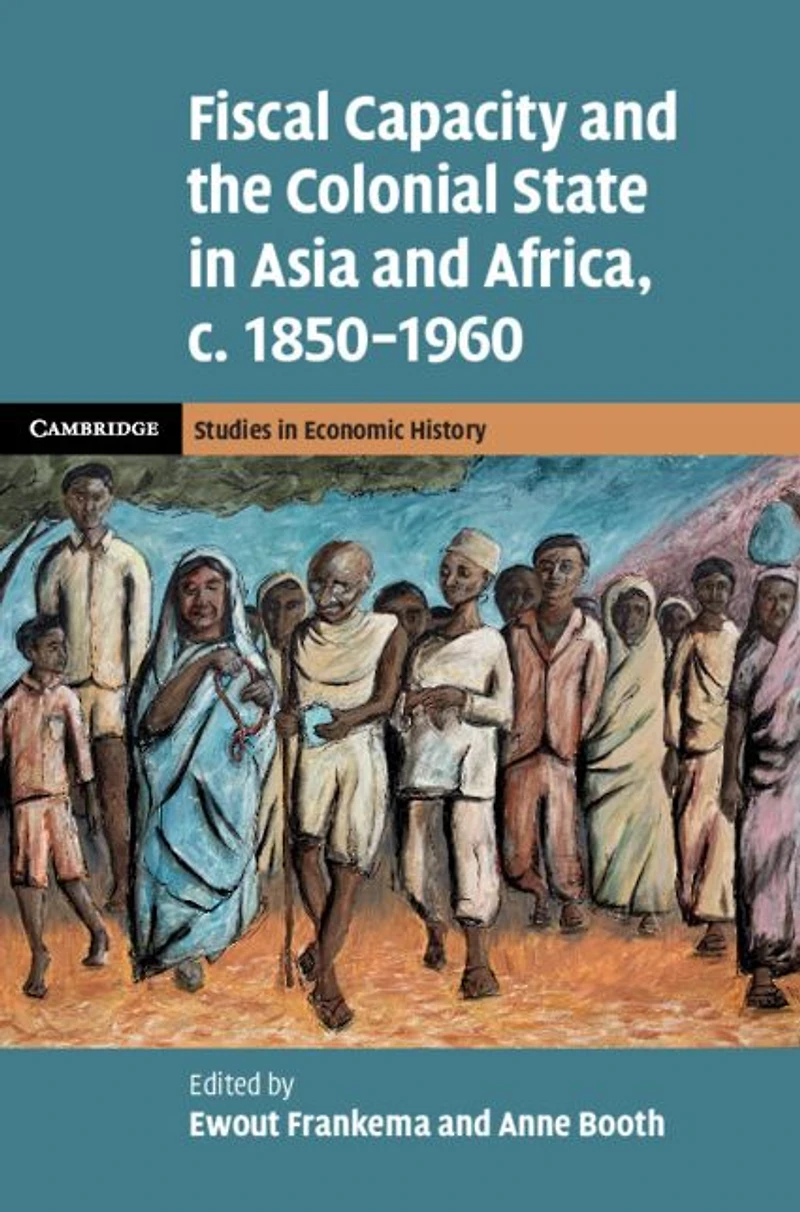
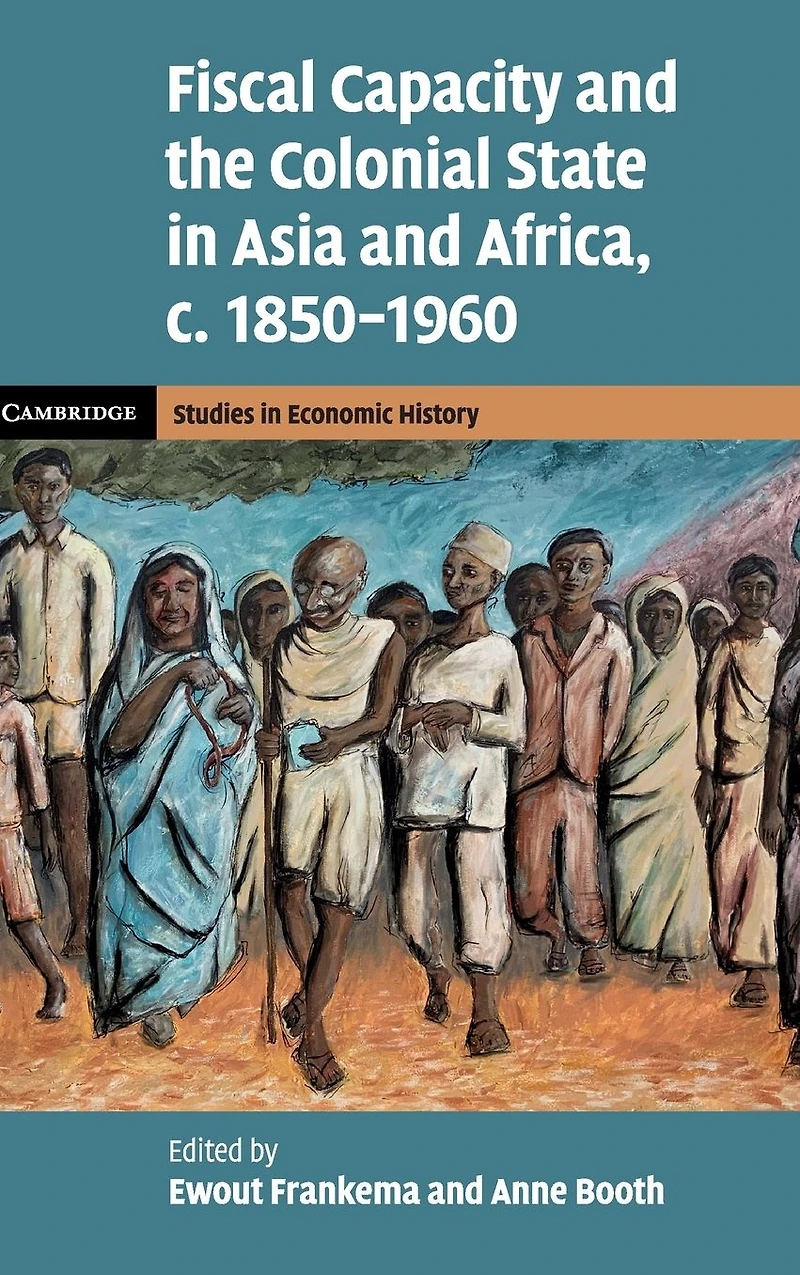
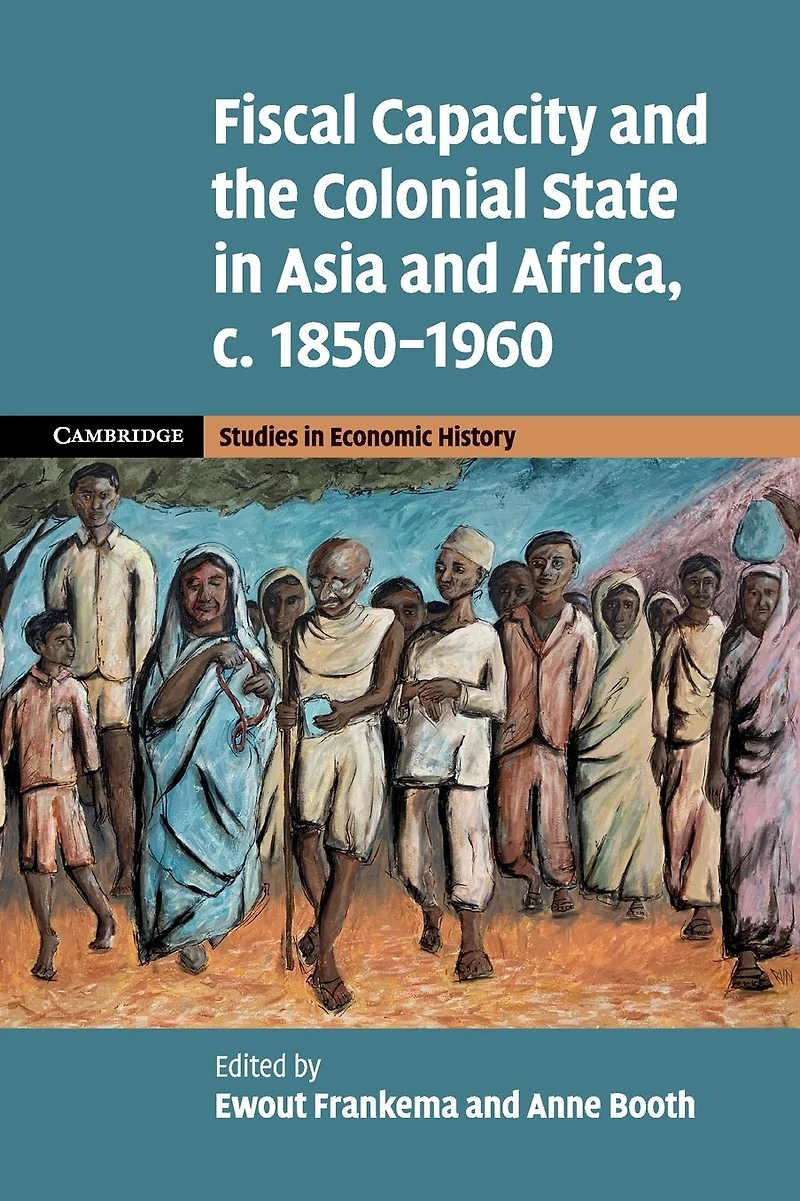
Fiscal Capacity and the Colonial State Asia Africa, c.1850-1960 in Bloomington, MN
By Barnes & Noble
Current price: $34.00

Fiscal Capacity and the Colonial State Asia Africa, c.1850-1960 in Bloomington, MN
Current price: $34.00
Loading Inventory...
Size: EBook
This book examines the evolution of fiscal capacity in the context of colonial state formation and the changing world order between 1850 and 1960. Until the early nineteenth century, European colonial control over Asia and Africa was largely confined to coastal and island settlements, which functioned as little more than trading posts. The officials running these settlements had neither the resources nor the need to develop new fiscal instruments. With the expansion of imperialism, the costs of maintaining colonies rose. Home governments, reluctant to place the financial burden of imperial expansion on metropolitan taxpayers, pressed colonial governments to become fiscally self-supporting. A team of leading historians provides a comparative overview of how colonial states set up their administrative systems and how these regimes involved local people and elites. They shed new light on the political economy of colonial state formation and the institutional legacies they left behind at independence.
This book examines the evolution of fiscal capacity in the context of colonial state formation and the changing world order between 1850 and 1960. Until the early nineteenth century, European colonial control over Asia and Africa was largely confined to coastal and island settlements, which functioned as little more than trading posts. The officials running these settlements had neither the resources nor the need to develop new fiscal instruments. With the expansion of imperialism, the costs of maintaining colonies rose. Home governments, reluctant to place the financial burden of imperial expansion on metropolitan taxpayers, pressed colonial governments to become fiscally self-supporting. A team of leading historians provides a comparative overview of how colonial states set up their administrative systems and how these regimes involved local people and elites. They shed new light on the political economy of colonial state formation and the institutional legacies they left behind at independence.









Find at Mall of America® in Bloomington, MN
Visit at Mall of America® in Bloomington, MN