


Home
Film Regulation A Cultural Context
Barnes and Noble
Loading Inventory...
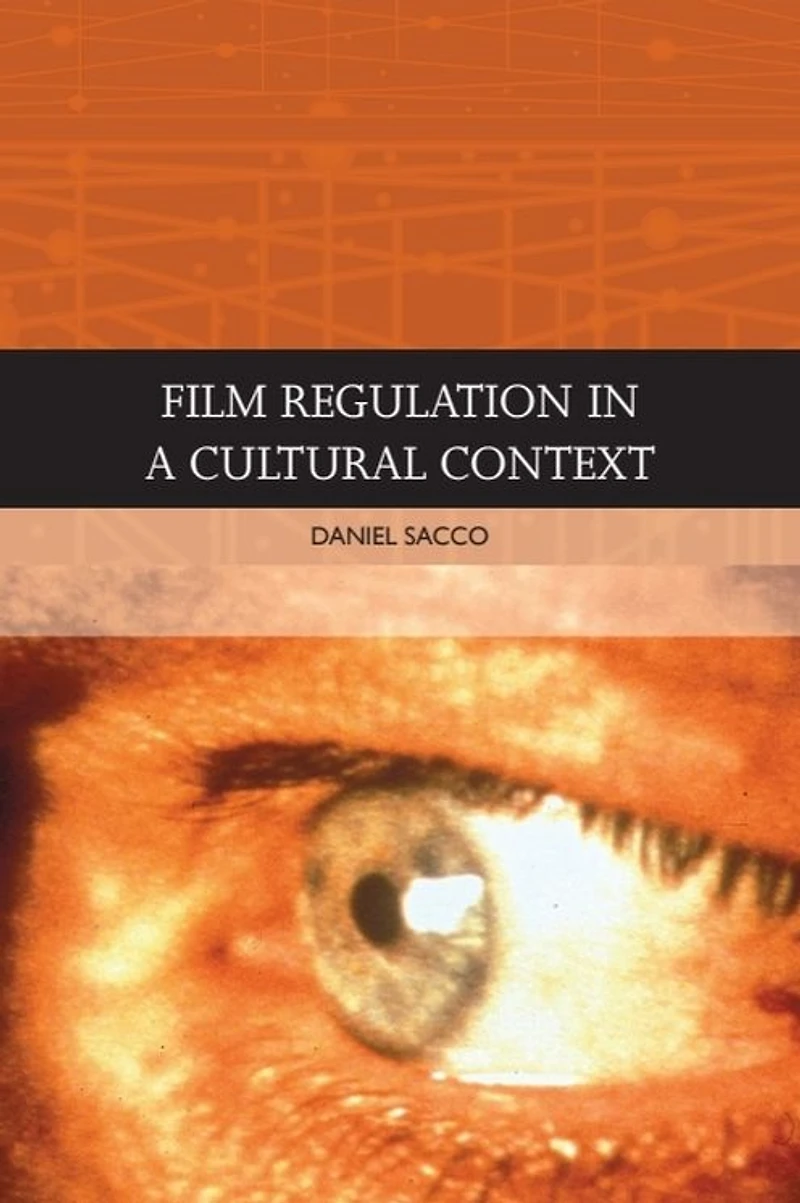
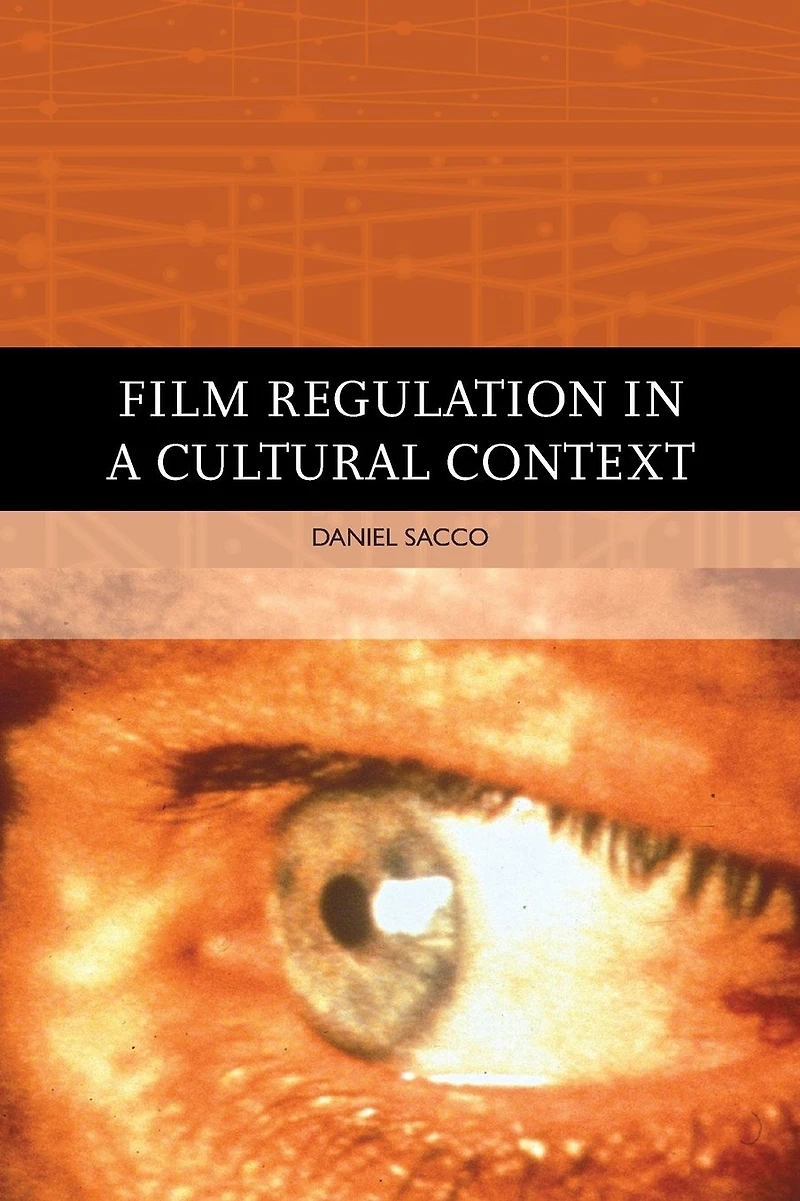
Film Regulation A Cultural Context in Bloomington, MN
By Barnes & Noble
Current price: $125.00
Film Regulation A Cultural Context in Bloomington, MN
Current price: $125.00
Loading Inventory...
Size: Hardcover
Film Regulation in a Cultural Context examines cinematic works that provoked censorious impulses throughout the shift away from formal film censorship in the late modern West. The public controversies surrounding Fat Girl, Irreíversible, Ken Park, The Brown Bunny, Wolf Creek and Welcome to New York, each highlight significant stages in this cultural shift, which necessitated policy revision within Britain, Canada and Australia's institutions of film censorship. Sacco draws parallels and distinctions between governmental film regulation policies and the social control mechanisms at work within a wider network of institutions, including news media, film festivals and advocacy groups. He examines the means by, and ends to which the social control of film content persists in a national 'post-censorship' media landscape, and how concepts of film 'classification' manifest in commercial market contexts, journalistic criticism and practices of distribution and advertising.
Film Regulation in a Cultural Context examines cinematic works that provoked censorious impulses throughout the shift away from formal film censorship in the late modern West. The public controversies surrounding Fat Girl, Irreíversible, Ken Park, The Brown Bunny, Wolf Creek and Welcome to New York, each highlight significant stages in this cultural shift, which necessitated policy revision within Britain, Canada and Australia's institutions of film censorship. Sacco draws parallels and distinctions between governmental film regulation policies and the social control mechanisms at work within a wider network of institutions, including news media, film festivals and advocacy groups. He examines the means by, and ends to which the social control of film content persists in a national 'post-censorship' media landscape, and how concepts of film 'classification' manifest in commercial market contexts, journalistic criticism and practices of distribution and advertising.
Shop Similar Products









Find at Mall of America® in Bloomington, MN
Visit at Mall of America® in Bloomington, MN