


Home
Far More Terrible for Women: Personal Accounts of Women Slavery
Barnes and Noble
Loading Inventory...
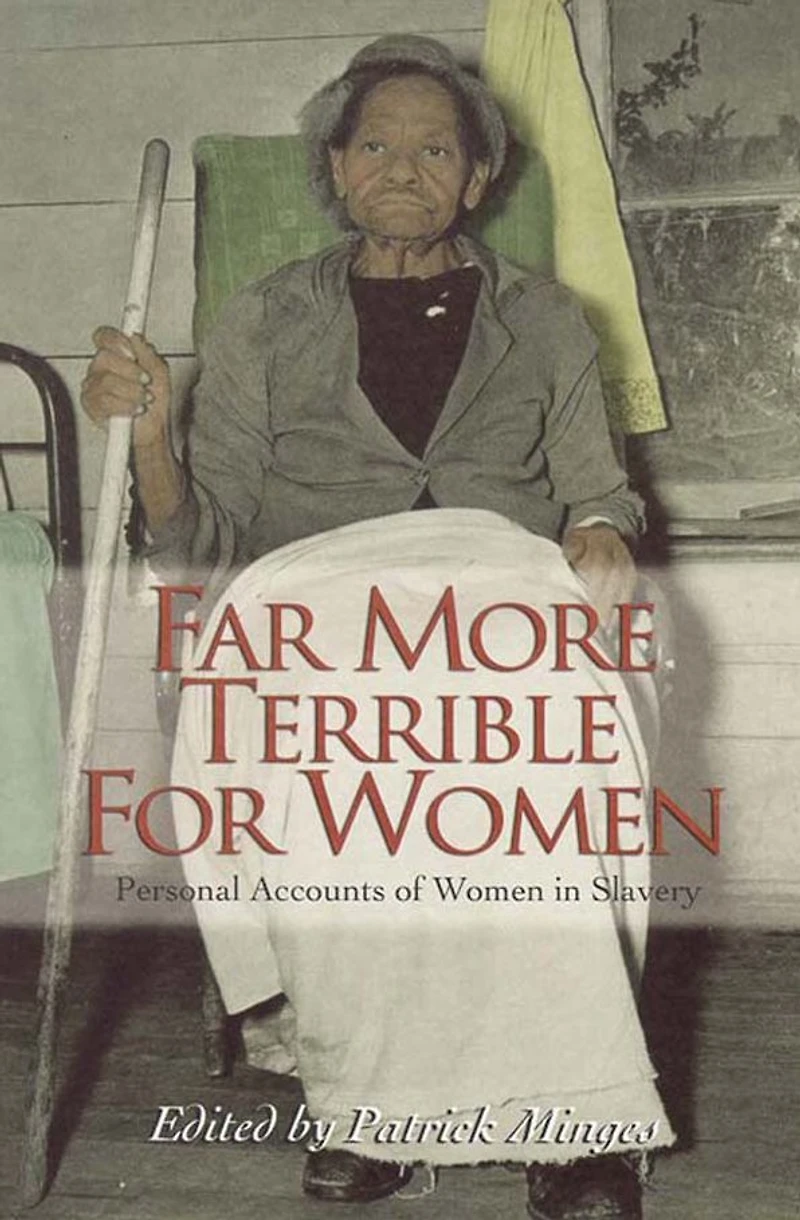
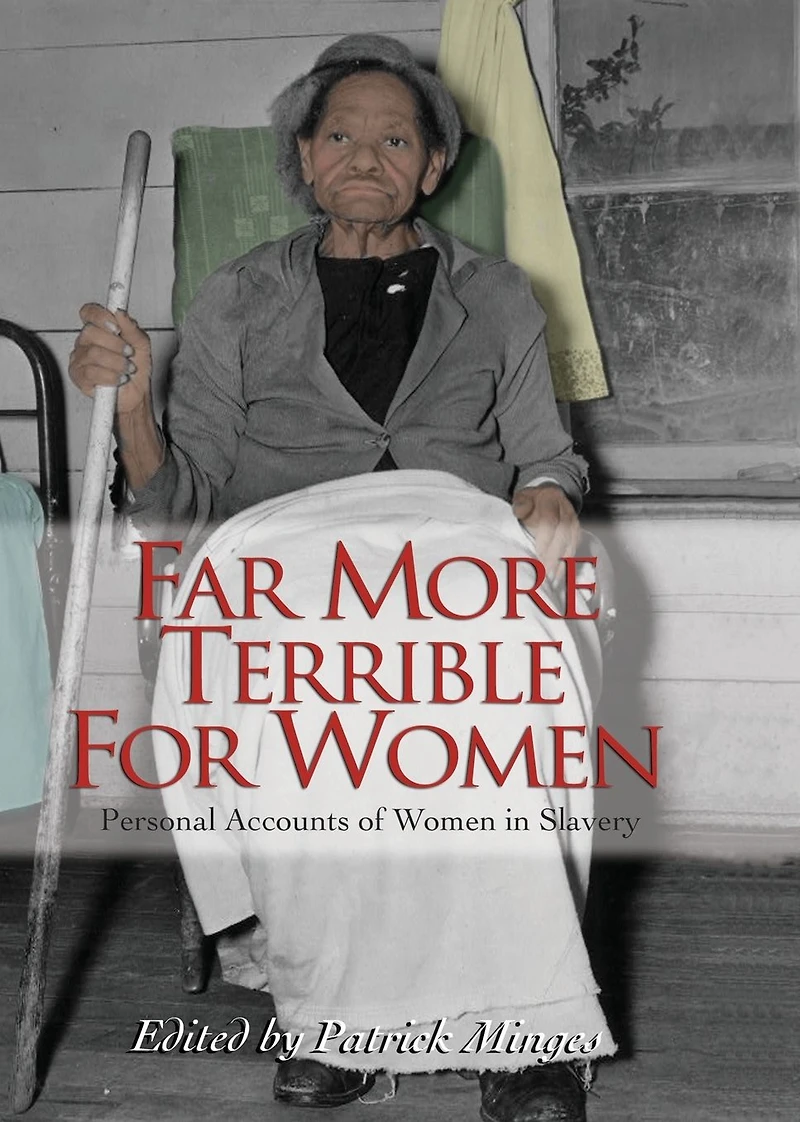
Far More Terrible for Women: Personal Accounts of Women Slavery in Bloomington, MN
By Barnes & Noble
Current price: $9.99

Far More Terrible for Women: Personal Accounts of Women Slavery in Bloomington, MN
Current price: $9.99
Loading Inventory...
Size: EBook
De massa call me and tell me, "Woman, I’s pay big money for you, and I’s done dat 'cause I wants you to raise me chillum. I’s put you to live with Rufus for dat purpose. Now, if you doesn’t want whippin’ at de stake, you do what I wants." I thinks ‘bout Massa buyin’ me off de block and savin’ me from bein’ separated from my folks, and ‘bout bein’ whipped at de stake. Dere it am. What am I to do? So asks Rose Williams of Bell County, Texas, whose long-ago forced cohabitation remains as bitter at age 90 as when she was “just a ingnoramus chile” of 16. In all her years after freedom, she never had any desire to marry. Firsthand accounts of female slaves are few. The best-known narratives of slavery are those of Frederick Douglass and other men. Even the photos most people have seen are of male slaves chained and beaten. What we know of the lives of female slaves comes mainly from the fiction of authors like Toni Morrison and movies like Gone With the Wind. Far More Terrible for Women seeks to broaden the discussion by presenting 27 narratives of female ex-slaves. Editor Patrick Minges combed the WPA interviews of the 1930s for those of women, selecting a range of stories that give a taste of the unique challenges, complexities, and cruelties that were the lot of females under the “peculiar institution.” Patrick Minges worked for 17 years for Amnesty International and Human Rights Watch. He teaches in Stokes County Schools and at Forsyth Technical Community College in Winston-Salem. He is also the author of Slavery in the Cherokee Nation: The Keetowah Society and the Defining of a People, 1855-1867 and Black Indian Slave Narratives
De massa call me and tell me, "Woman, I’s pay big money for you, and I’s done dat 'cause I wants you to raise me chillum. I’s put you to live with Rufus for dat purpose. Now, if you doesn’t want whippin’ at de stake, you do what I wants." I thinks ‘bout Massa buyin’ me off de block and savin’ me from bein’ separated from my folks, and ‘bout bein’ whipped at de stake. Dere it am. What am I to do? So asks Rose Williams of Bell County, Texas, whose long-ago forced cohabitation remains as bitter at age 90 as when she was “just a ingnoramus chile” of 16. In all her years after freedom, she never had any desire to marry. Firsthand accounts of female slaves are few. The best-known narratives of slavery are those of Frederick Douglass and other men. Even the photos most people have seen are of male slaves chained and beaten. What we know of the lives of female slaves comes mainly from the fiction of authors like Toni Morrison and movies like Gone With the Wind. Far More Terrible for Women seeks to broaden the discussion by presenting 27 narratives of female ex-slaves. Editor Patrick Minges combed the WPA interviews of the 1930s for those of women, selecting a range of stories that give a taste of the unique challenges, complexities, and cruelties that were the lot of females under the “peculiar institution.” Patrick Minges worked for 17 years for Amnesty International and Human Rights Watch. He teaches in Stokes County Schools and at Forsyth Technical Community College in Winston-Salem. He is also the author of Slavery in the Cherokee Nation: The Keetowah Society and the Defining of a People, 1855-1867 and Black Indian Slave Narratives
Shop Similar Products









Find at Mall of America® in Bloomington, MN
Visit at Mall of America® in Bloomington, MN