


Home
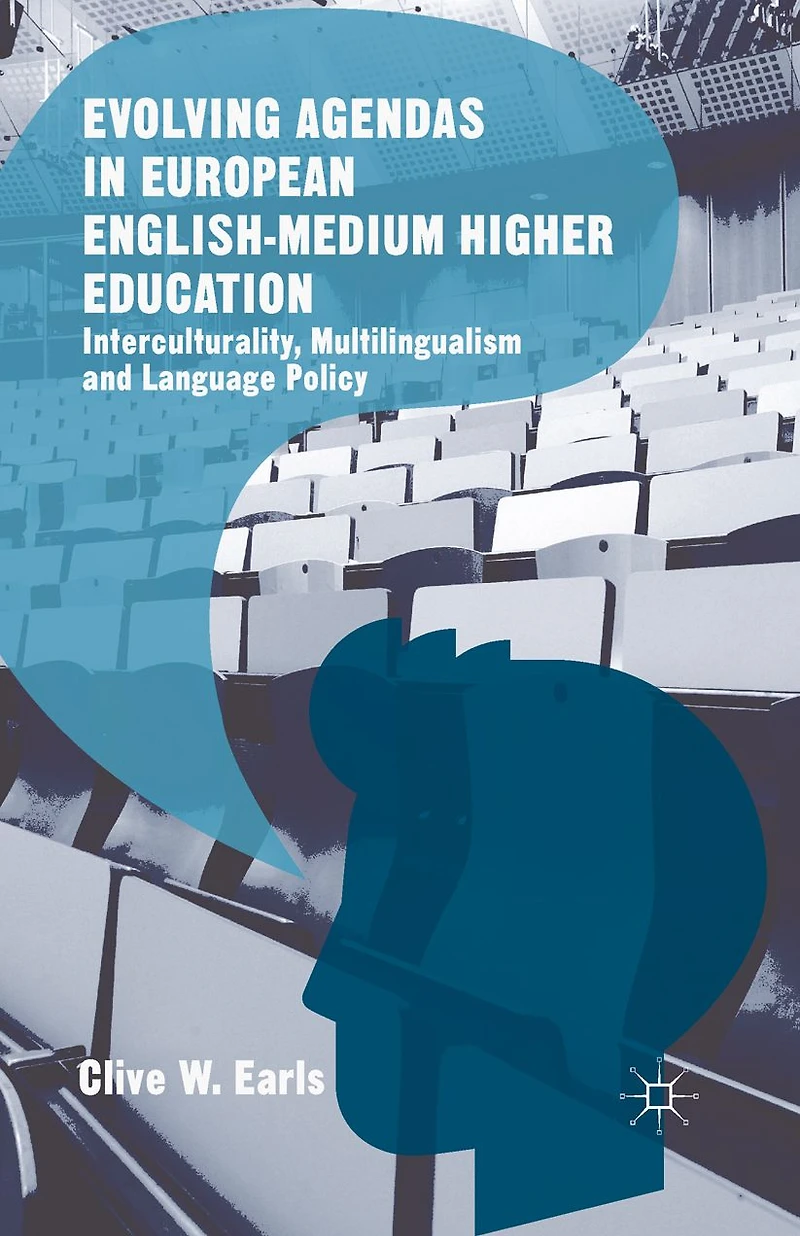
Evolving Agendas European English-Medium Higher Education: Interculturality, Multilingualism and Language Policy
Barnes and Noble
Loading Inventory...
Evolving Agendas European English-Medium Higher Education: Interculturality, Multilingualism and Language Policy in Bloomington, MN
By Barnes & Noble
Current price: $99.00

Evolving Agendas European English-Medium Higher Education: Interculturality, Multilingualism and Language Policy in Bloomington, MN
Current price: $99.00
Loading Inventory...
Size: EBook
English medium-of-instruction (EMI) is transforming modern-day universities across the globe, creating increasingly complex linguistic and intercultural realities which lecturers, students and decision-makers must negotiate. Teaching subject matter at higher-education level through the medium of English, in countries where English is neither an official nor national language (e.g. the Netherlands, Germany), is a highly complex phenomenon fraught with challenges and benefits. EMI programmes are capable of transforming domestic degree programmes into platforms of intercultural teaching and learning by infusing them with greater numbers of international faculty and students. Equally however, EMI programmes pose a socio-linguistic, -cultural and -economic challenge by institutionalising English at higher-education level within a country and displacing somewhat national and minority languages. This book, the first of its kind, provides an up-to-date and empirically-informed exploration of these salient themes in Europe, based on significant empirical data gathered and analysed on the German EMI context.
English medium-of-instruction (EMI) is transforming modern-day universities across the globe, creating increasingly complex linguistic and intercultural realities which lecturers, students and decision-makers must negotiate. Teaching subject matter at higher-education level through the medium of English, in countries where English is neither an official nor national language (e.g. the Netherlands, Germany), is a highly complex phenomenon fraught with challenges and benefits. EMI programmes are capable of transforming domestic degree programmes into platforms of intercultural teaching and learning by infusing them with greater numbers of international faculty and students. Equally however, EMI programmes pose a socio-linguistic, -cultural and -economic challenge by institutionalising English at higher-education level within a country and displacing somewhat national and minority languages. This book, the first of its kind, provides an up-to-date and empirically-informed exploration of these salient themes in Europe, based on significant empirical data gathered and analysed on the German EMI context.
Shop Similar Products








Find at Mall of America® in Bloomington, MN
Visit at Mall of America® in Bloomington, MN