


Home
English Justice: Between the Norman Conquest and Great Charter, 1066-1215
Barnes and Noble
Loading Inventory...
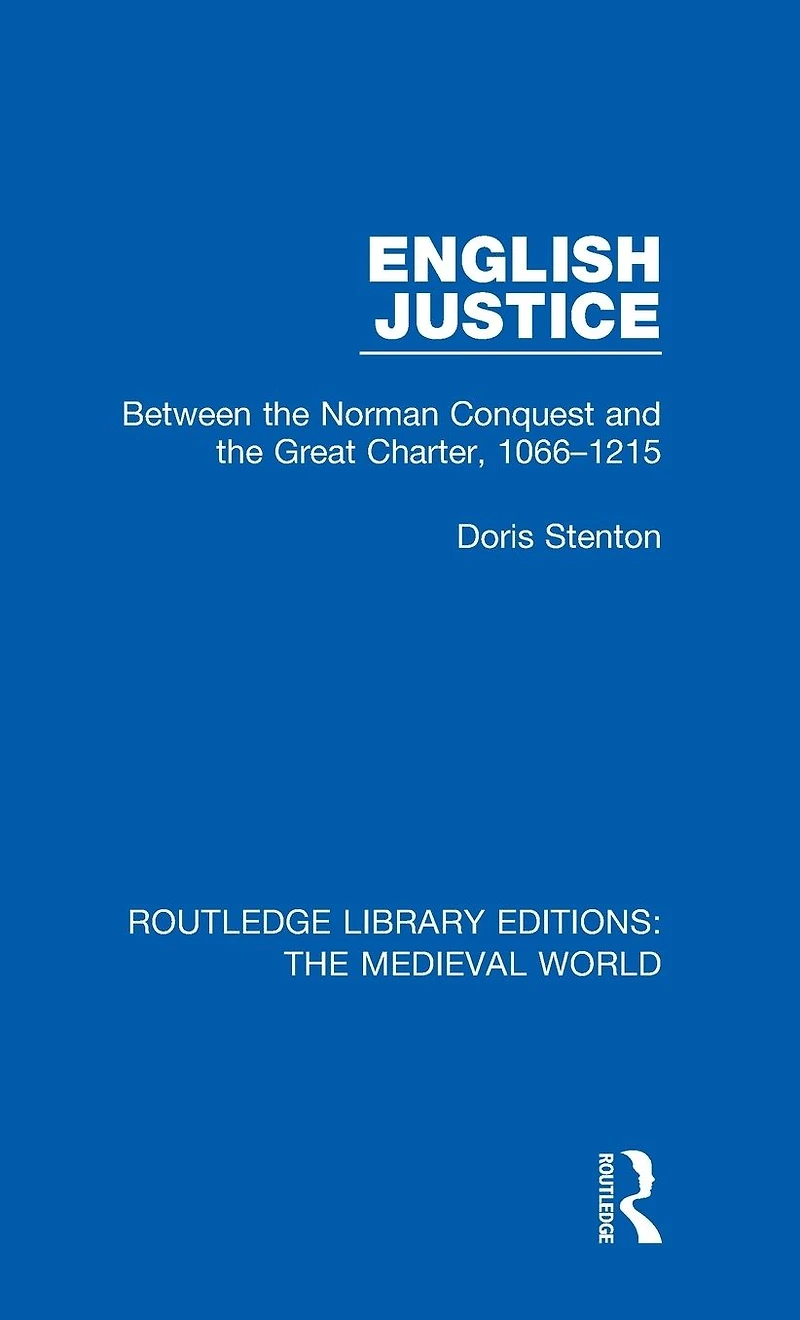
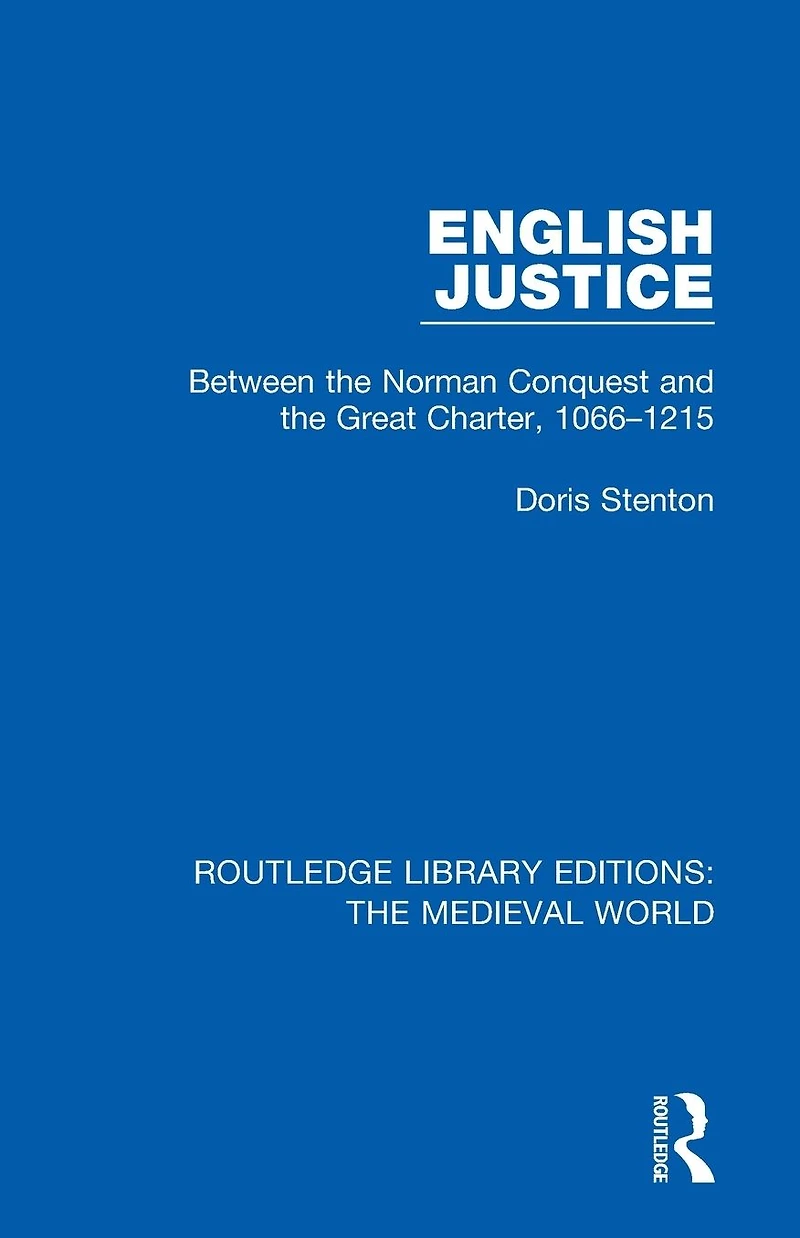
English Justice: Between the Norman Conquest and Great Charter, 1066-1215 in Bloomington, MN
By Barnes & Noble
Current price: $160.00

English Justice: Between the Norman Conquest and Great Charter, 1066-1215 in Bloomington, MN
Current price: $160.00
Loading Inventory...
Size: Hardcover
Originally published in 1965, English Justice between the Norman Conquest and the Great Charter discusses the history of English justice in the period of the Norman Conquest, of the Angevin achievements, and of the contrasting reigns of Richard I and John. This book looks at this period in light of the great work done by Felix Liebermann and others on Anglo-Saxon law, which made possible a new estimate of the inheritance entered upon by the Norman conquerors. The book discusses how the writ and sworn inquest can now be safely recognised as arising in the years when the communal courts of the hundred and the shire - under royal surveillance - administered justice to the English people. The book also looks at the vigour of the conquerors and how, through the exertion of the king’s writ, the sworn inquest was developed into the jury. The book discusses how Henry II, not the West Saxon kings devised the returnable writ from which later developments in English judicial administration grew, and how he built up a permanent bench of judges based at Westminster, from there making periodic journeys to administer justice throughout the land. With all their many faults, the early Angevin rulers, King John as well as his father, were concerned to play their part as kings who provided justice and judgment for their subjects.
Originally published in 1965, English Justice between the Norman Conquest and the Great Charter discusses the history of English justice in the period of the Norman Conquest, of the Angevin achievements, and of the contrasting reigns of Richard I and John. This book looks at this period in light of the great work done by Felix Liebermann and others on Anglo-Saxon law, which made possible a new estimate of the inheritance entered upon by the Norman conquerors. The book discusses how the writ and sworn inquest can now be safely recognised as arising in the years when the communal courts of the hundred and the shire - under royal surveillance - administered justice to the English people. The book also looks at the vigour of the conquerors and how, through the exertion of the king’s writ, the sworn inquest was developed into the jury. The book discusses how Henry II, not the West Saxon kings devised the returnable writ from which later developments in English judicial administration grew, and how he built up a permanent bench of judges based at Westminster, from there making periodic journeys to administer justice throughout the land. With all their many faults, the early Angevin rulers, King John as well as his father, were concerned to play their part as kings who provided justice and judgment for their subjects.
Shop Similar Products














Find at Mall of America® in Bloomington, MN
Visit at Mall of America® in Bloomington, MN