


Home
Empire, Authority, and Autonomy Achaemenid Anatolia
Barnes and Noble
Loading Inventory...
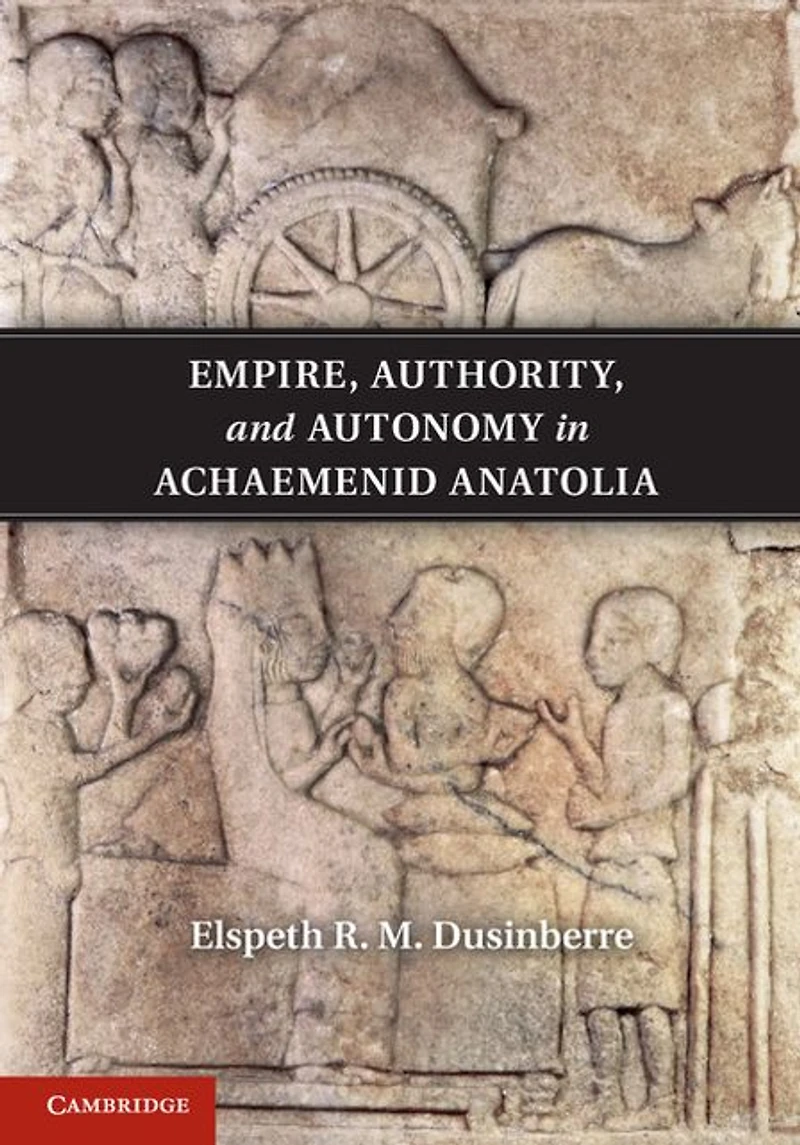
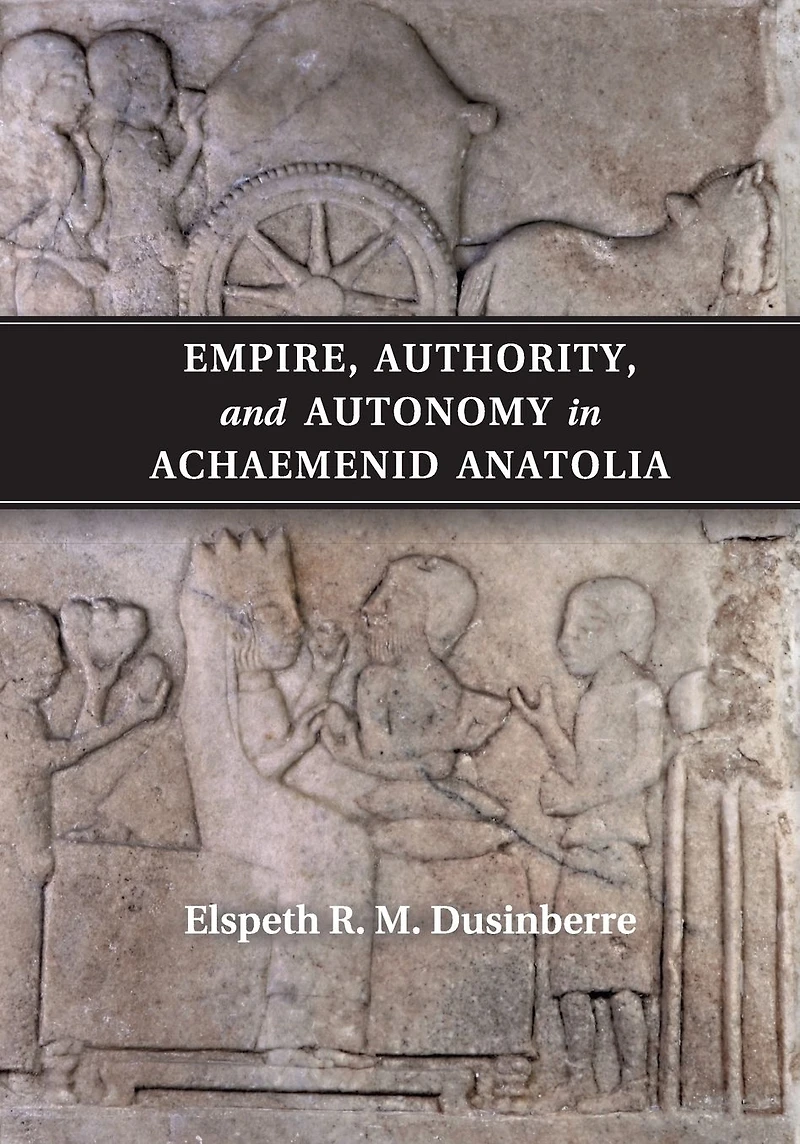
Empire, Authority, and Autonomy Achaemenid Anatolia in Bloomington, MN
By Barnes & Noble
Current price: $69.00

Empire, Authority, and Autonomy Achaemenid Anatolia in Bloomington, MN
Current price: $69.00
Loading Inventory...
Size: EBook
The Achaemenid Persian Empire (550–330 BCE) was a vast and complex sociopolitical structure that encompassed much of modern-day Turkey, Syria, Jordan, Israel, Egypt, Iraq, Iran and Afghanistan and included two dozen distinct peoples who spoke different languages, worshipped different deities, lived in different environments and had widely differing social customs. This book offers a radical new approach to understanding the Achaemenid Persian Empire and imperialism more generally. Through a wide array of textual, visual and archaeological material, Elspeth R. M. Dusinberre shows how the rulers of the Empire constructed a system flexible enough to provide for the needs of different peoples within the confines of a single imperial authority and highlights the variability in response. This book examines the dynamic tensions between authority and autonomy across the Empire, providing a valuable new way of considering imperial structure and development.
The Achaemenid Persian Empire (550–330 BCE) was a vast and complex sociopolitical structure that encompassed much of modern-day Turkey, Syria, Jordan, Israel, Egypt, Iraq, Iran and Afghanistan and included two dozen distinct peoples who spoke different languages, worshipped different deities, lived in different environments and had widely differing social customs. This book offers a radical new approach to understanding the Achaemenid Persian Empire and imperialism more generally. Through a wide array of textual, visual and archaeological material, Elspeth R. M. Dusinberre shows how the rulers of the Empire constructed a system flexible enough to provide for the needs of different peoples within the confines of a single imperial authority and highlights the variability in response. This book examines the dynamic tensions between authority and autonomy across the Empire, providing a valuable new way of considering imperial structure and development.









Find at Mall of America® in Bloomington, MN
Visit at Mall of America® in Bloomington, MN