


Home
Eloquent Spaces: Meaning and Community Early Indian Architecture
Barnes and Noble
Loading Inventory...
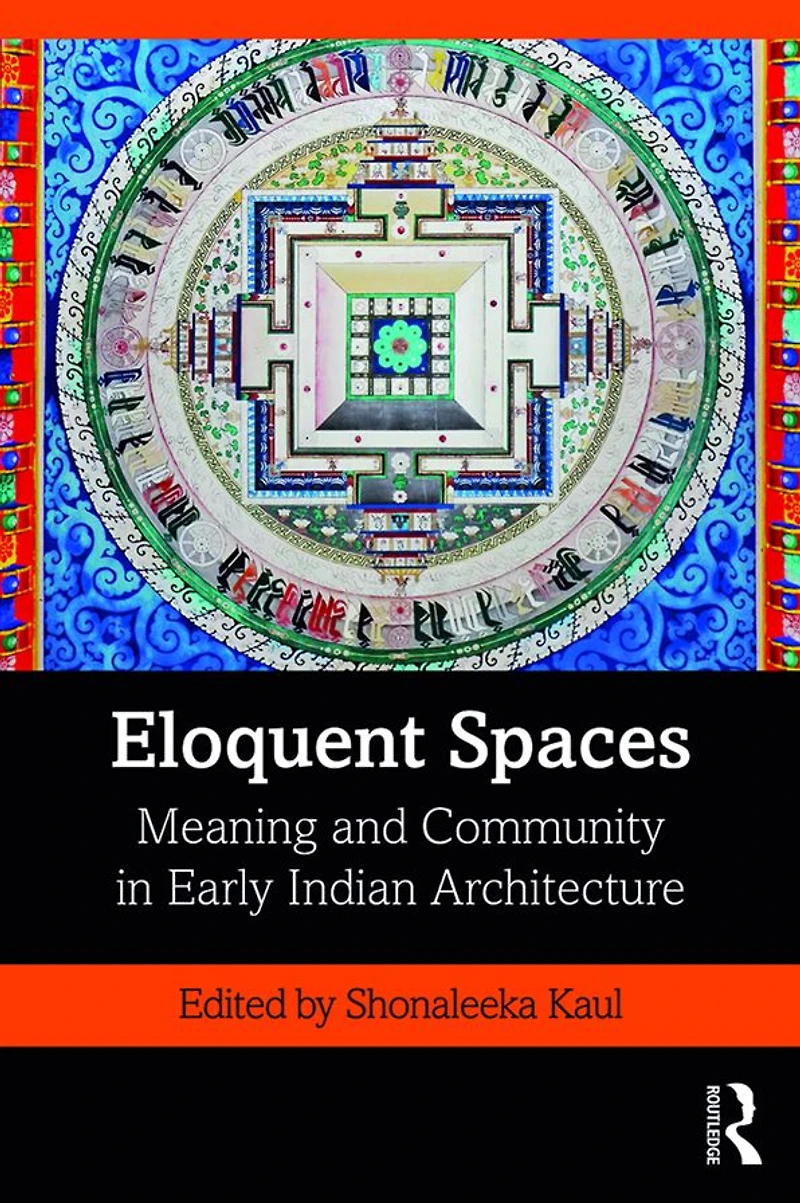

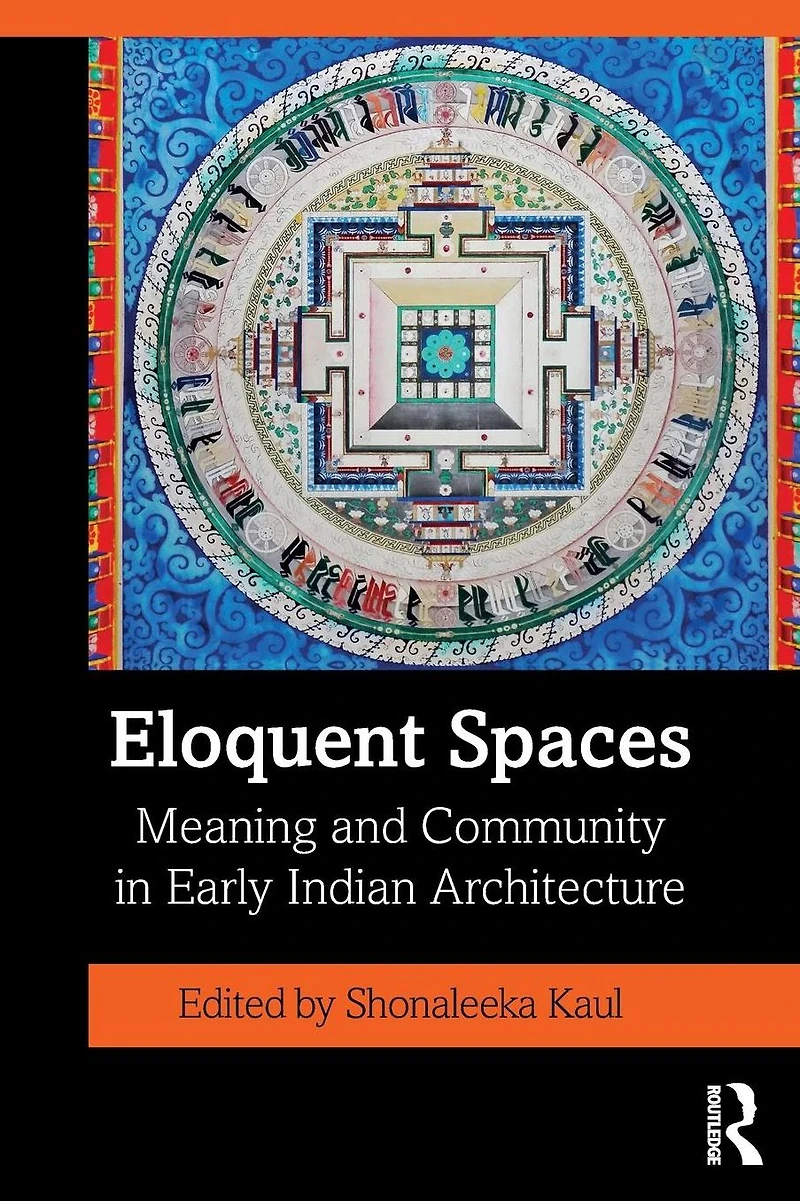
Eloquent Spaces: Meaning and Community Early Indian Architecture in Bloomington, MN
By Barnes & Noble
Current price: $61.99

Eloquent Spaces: Meaning and Community Early Indian Architecture in Bloomington, MN
Current price: $61.99
Loading Inventory...
Size: EBook
Eloquent Spaces adopts the twin analytic of meaning and community to write a fresh history of building in early India. It presents a new perspective on the principles and practices of early Indian architecture.Defining it broadly over a range of space uses, the book argues for architecture as a form of cultural production as well as public consumption. Ten chapters by leading archaeologists, architects, historians and philosophers, examining different architectural sites and landscapes, including Sanchi, Moodabidri, Srinagar, Chidambaram, Patan, Konark, Basgo and Puri, demonstrate the need to look beyond the built form to its spirit, beyond aesthetics to cognition, and thereby to integrating architecture with its myriad living contexts. The volume captures some of the semantic diversity inherent in premodern Indian traditions of civic building, both sacred and secular, which were, however, unified in their insistence on enacting meaning and a transcendent validity over and above utility and beauty of form. The book is a quest for a culturally rooted architecture as an alternative to the growing crisis of disembededness that informs modern praxis.This volume will be of interest to scholars and practitioners of architecture, ancient Indian history, philosophy, art history and cultural studies.
Eloquent Spaces adopts the twin analytic of meaning and community to write a fresh history of building in early India. It presents a new perspective on the principles and practices of early Indian architecture.Defining it broadly over a range of space uses, the book argues for architecture as a form of cultural production as well as public consumption. Ten chapters by leading archaeologists, architects, historians and philosophers, examining different architectural sites and landscapes, including Sanchi, Moodabidri, Srinagar, Chidambaram, Patan, Konark, Basgo and Puri, demonstrate the need to look beyond the built form to its spirit, beyond aesthetics to cognition, and thereby to integrating architecture with its myriad living contexts. The volume captures some of the semantic diversity inherent in premodern Indian traditions of civic building, both sacred and secular, which were, however, unified in their insistence on enacting meaning and a transcendent validity over and above utility and beauty of form. The book is a quest for a culturally rooted architecture as an alternative to the growing crisis of disembededness that informs modern praxis.This volume will be of interest to scholars and practitioners of architecture, ancient Indian history, philosophy, art history and cultural studies.
Shop Similar Products













Find at Mall of America® in Bloomington, MN
Visit at Mall of America® in Bloomington, MN