


Home
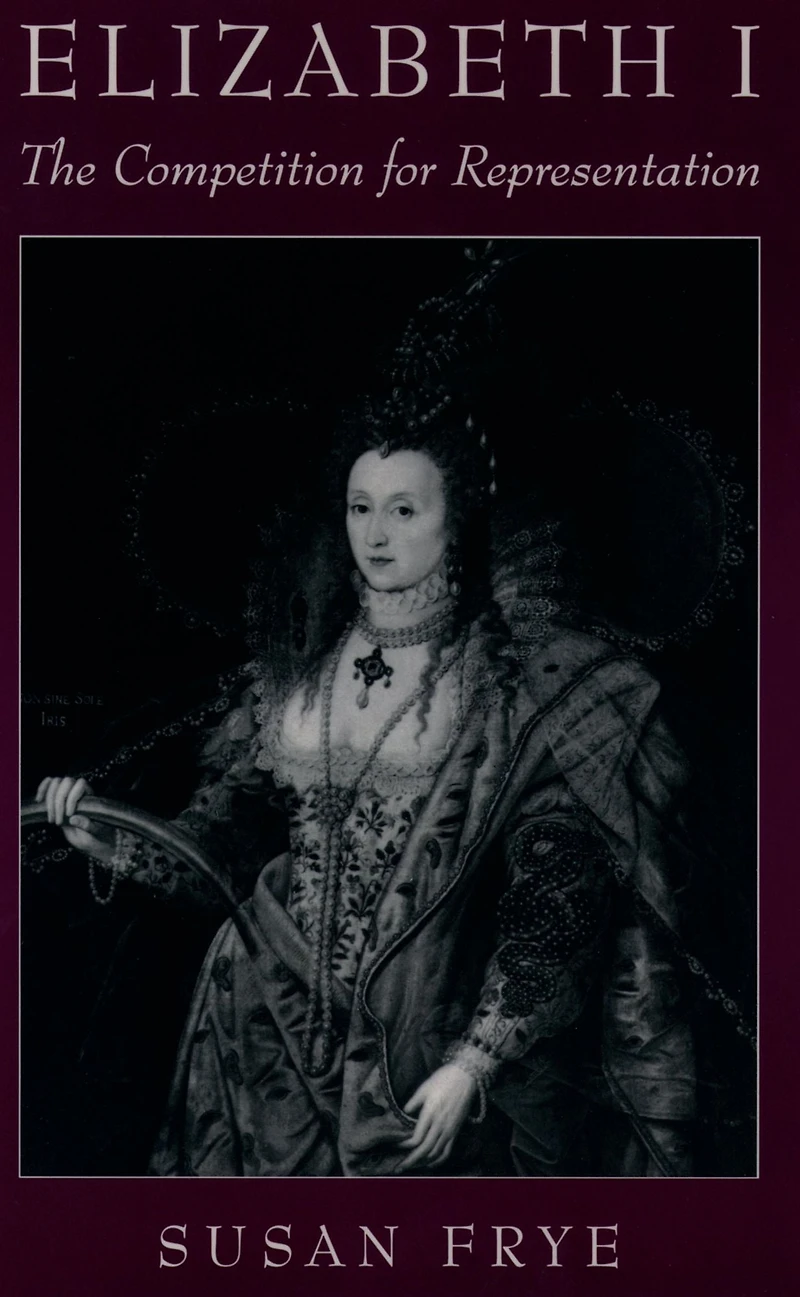
Elizabeth I: The Competition for Representation
Barnes and Noble
Loading Inventory...
Elizabeth I: The Competition for Representation in Bloomington, MN
By Barnes & Noble
Current price: $76.99

Elizabeth I: The Competition for Representation in Bloomington, MN
Current price: $76.99
Loading Inventory...
Size: EBook
Elizabeth I is perhaps the most visible woman in early modern Europe, yet little attention has been paid to what she said about the difficulties of constructing her power in a patriarchal society. This revisionist study examines her struggle for authority through the representation of her female body. Based on a variety of extant historical and literary materials, Frye's interpretation focuses on three representational crises spaced fifteen years apart: the London coronation of 1559, the Kenilworth entertainments of 1575, and the publication of The Faerie Queene in 1590. In ways which varied with social class and historical circumstance, the London merchants, the members of the Protestant faction, courtly artists, and artful courtiers all sought to stabilize their own gendered identities by constructing the queen within the "natural" definitions of the feminine as passive and weak. Elizabeth fought back, acting as a discursive agent by crossing, and thus disrupting, these definitions. She and those closely identified with her interests evolved a number of strategies through which to express her political control in terms of the ownership of her body, including her elaborate iconography and a mythic biography upon which most accounts of Elizabeth's life have been based. The more authoritative her image became, the more vigorously it was contested in a process which this study examines and consciously perpetuates.
Elizabeth I is perhaps the most visible woman in early modern Europe, yet little attention has been paid to what she said about the difficulties of constructing her power in a patriarchal society. This revisionist study examines her struggle for authority through the representation of her female body. Based on a variety of extant historical and literary materials, Frye's interpretation focuses on three representational crises spaced fifteen years apart: the London coronation of 1559, the Kenilworth entertainments of 1575, and the publication of The Faerie Queene in 1590. In ways which varied with social class and historical circumstance, the London merchants, the members of the Protestant faction, courtly artists, and artful courtiers all sought to stabilize their own gendered identities by constructing the queen within the "natural" definitions of the feminine as passive and weak. Elizabeth fought back, acting as a discursive agent by crossing, and thus disrupting, these definitions. She and those closely identified with her interests evolved a number of strategies through which to express her political control in terms of the ownership of her body, including her elaborate iconography and a mythic biography upon which most accounts of Elizabeth's life have been based. The more authoritative her image became, the more vigorously it was contested in a process which this study examines and consciously perpetuates.
Shop Similar Products










Find at Mall of America® in Bloomington, MN
Visit at Mall of America® in Bloomington, MN