


Home
El Lector: A History of the Cigar Factory Reader
Barnes and Noble
Loading Inventory...
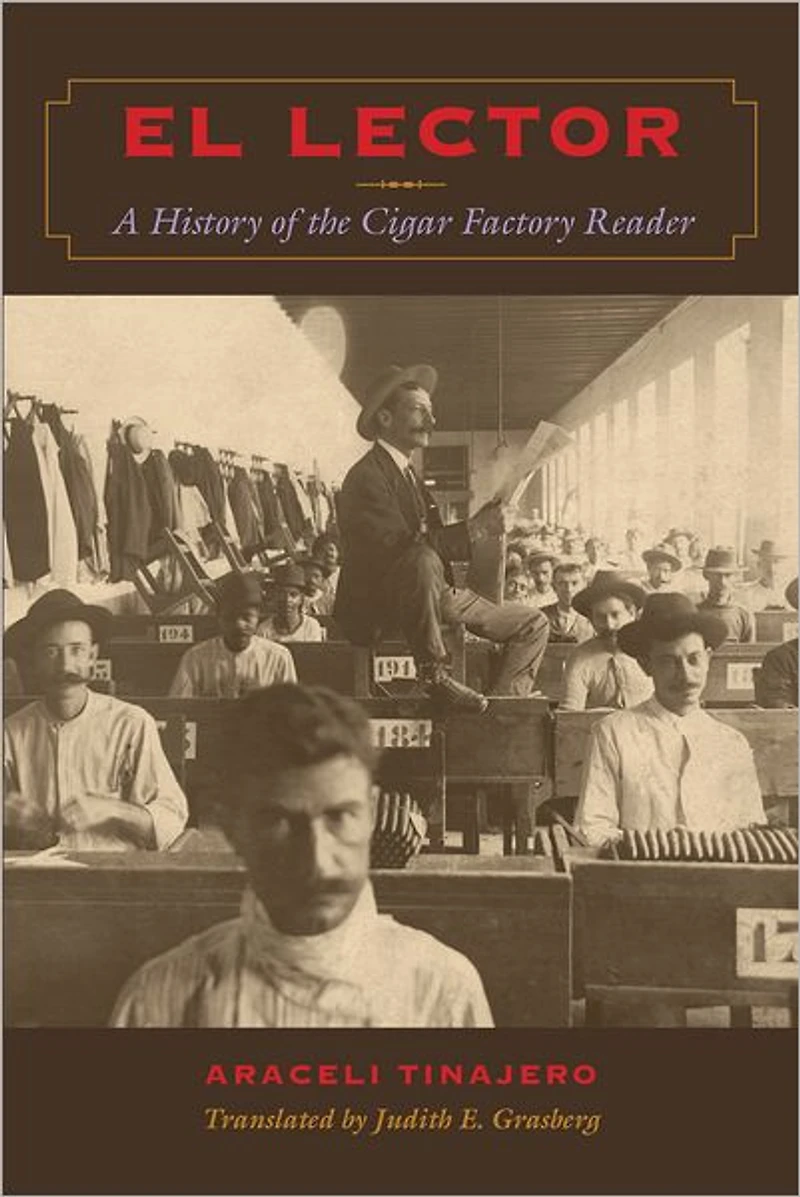
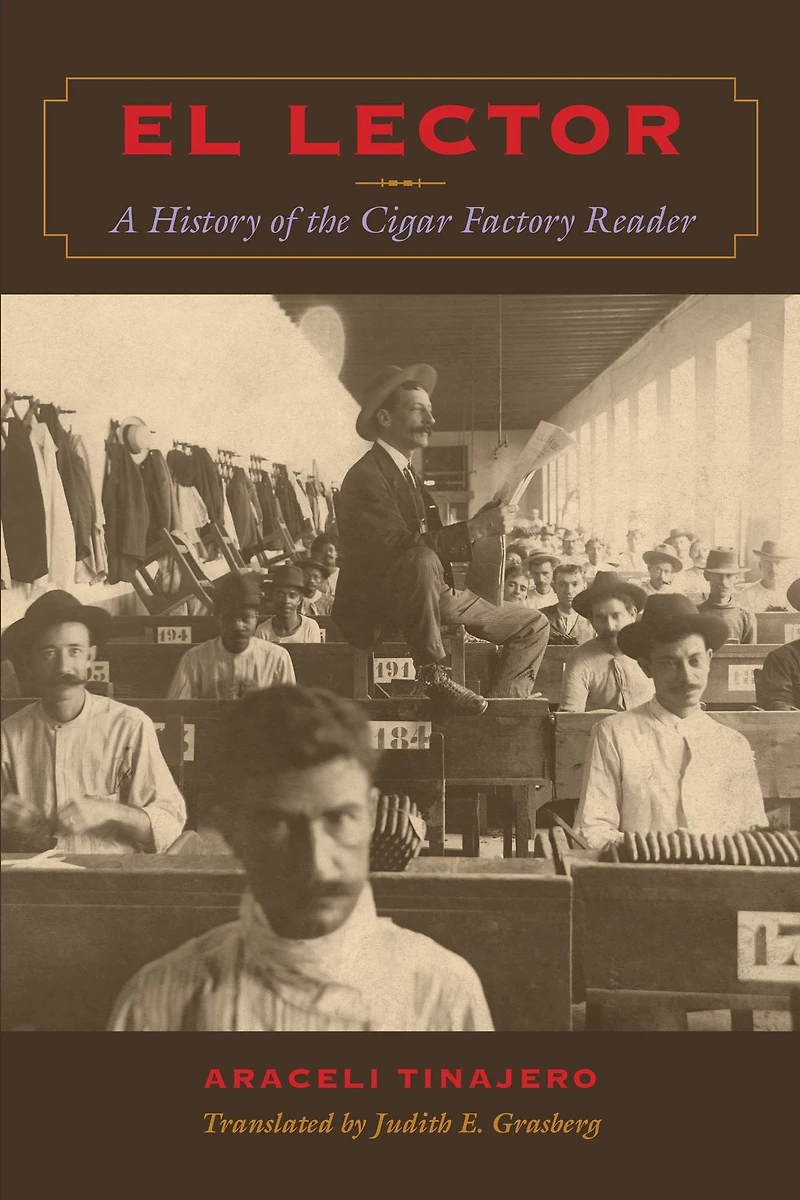
El Lector: A History of the Cigar Factory Reader in Bloomington, MN
By Barnes & Noble
Current price: $29.95

El Lector: A History of the Cigar Factory Reader in Bloomington, MN
Current price: $29.95
Loading Inventory...
Size: EBook
The practice of reading aloud has a long history, and the tradition still survives in Cuba as a hard-won right deeply embedded in cigar factory workers' culture. In El Lector, Araceli Tinajero deftly traces the evolution of the reader from nineteenth-century Cuba to the present and its eventual dissemination to Tampa, Key West, Puerto Rico, and Mexico. In interviews with present-day and retired readers, she records testimonies that otherwise would have been lost forever, creating a valuable archive for future historians.Through a close examination of journals, newspapers, and personal interviews, Tinajero relates how the reading was organized, how the readers and readings were selected, and how the process affected the relationship between workers and factory owners. Because of the reader, cigar factory workers were far more cultured and in touch with the political currents of the day than other workers. But it was not only the reading material, which provided political and literary information that yielded self-education, that influenced the workers; the act of being read to increased the discipline and timing of the artisan's job.
The practice of reading aloud has a long history, and the tradition still survives in Cuba as a hard-won right deeply embedded in cigar factory workers' culture. In El Lector, Araceli Tinajero deftly traces the evolution of the reader from nineteenth-century Cuba to the present and its eventual dissemination to Tampa, Key West, Puerto Rico, and Mexico. In interviews with present-day and retired readers, she records testimonies that otherwise would have been lost forever, creating a valuable archive for future historians.Through a close examination of journals, newspapers, and personal interviews, Tinajero relates how the reading was organized, how the readers and readings were selected, and how the process affected the relationship between workers and factory owners. Because of the reader, cigar factory workers were far more cultured and in touch with the political currents of the day than other workers. But it was not only the reading material, which provided political and literary information that yielded self-education, that influenced the workers; the act of being read to increased the discipline and timing of the artisan's job.
Shop Similar Products













Find at Mall of America® in Bloomington, MN
Visit at Mall of America® in Bloomington, MN