


Home
Egon Schiele and the Art of Popular Illustration
Barnes and Noble
Loading Inventory...
Egon Schiele and the Art of Popular Illustration in Bloomington, MN
By Barnes & Noble
Current price: $60.99

Egon Schiele and the Art of Popular Illustration in Bloomington, MN
Current price: $60.99
Loading Inventory...
Size: EBook
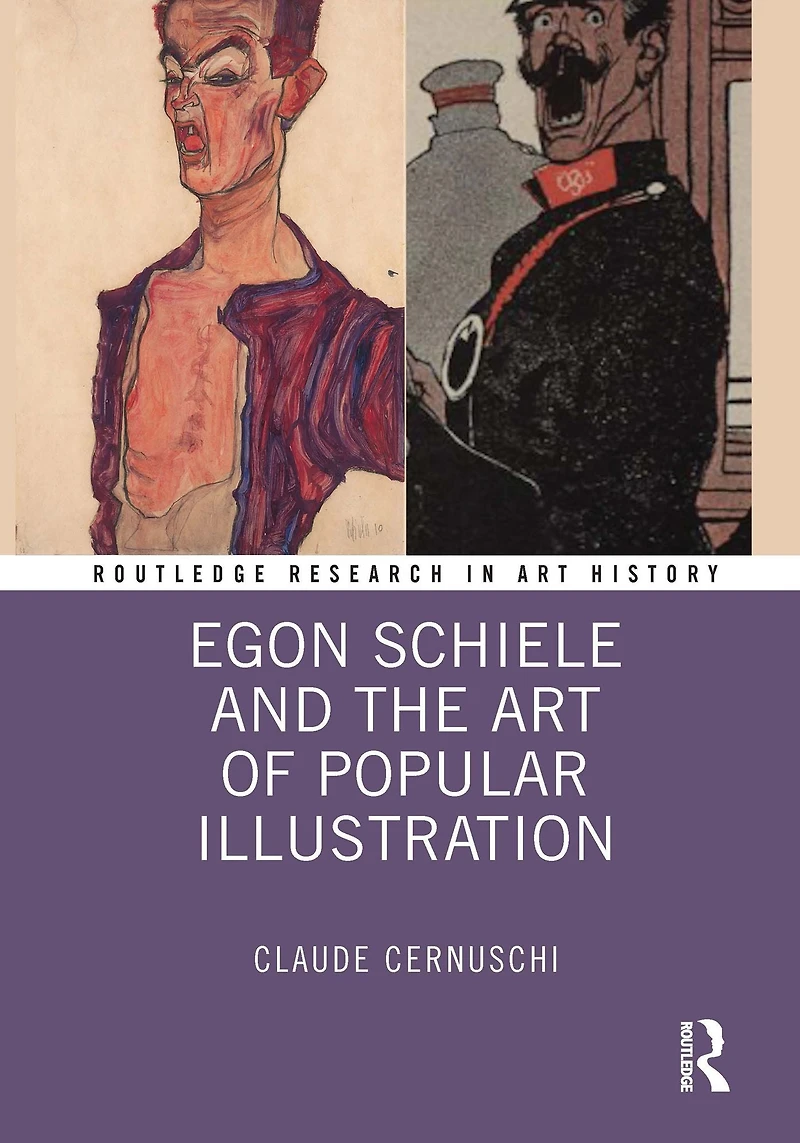
Presenting a radically different picture of Egon Schiele’s work, this study documents (in one-to-one comparisons) the extent of the artist’s visual borrowings from the Viennese humoristic journal, Die Muskete. Claude Cernuschi analyzes each comparison on a case-by-case basis, primarily because the interpretation of cartoons and caricatures is highly contingent on their specific historical and cultural context. Although this connection has gone unnoticed in the literature, in retrospect, this correlation makes perfect sense. Not only was Schiele’s artistic production frequently compared to caricature (and derided for being “grotesque”), but Expressionism and caricature are natural allies. One may belong to “high” art and the other to “popular” culture, yet both presuppose similar assumptions and deploy a similar rhetorical position: namely, that the exaggeration of human physiognomy allows deeper psychological “truths” to emerge. The book will be of interest to scholars working in art history, visual culture, popular culture, and politics.
Presenting a radically different picture of Egon Schiele’s work, this study documents (in one-to-one comparisons) the extent of the artist’s visual borrowings from the Viennese humoristic journal, Die Muskete. Claude Cernuschi analyzes each comparison on a case-by-case basis, primarily because the interpretation of cartoons and caricatures is highly contingent on their specific historical and cultural context. Although this connection has gone unnoticed in the literature, in retrospect, this correlation makes perfect sense. Not only was Schiele’s artistic production frequently compared to caricature (and derided for being “grotesque”), but Expressionism and caricature are natural allies. One may belong to “high” art and the other to “popular” culture, yet both presuppose similar assumptions and deploy a similar rhetorical position: namely, that the exaggeration of human physiognomy allows deeper psychological “truths” to emerge. The book will be of interest to scholars working in art history, visual culture, popular culture, and politics.
Shop Similar Products







Find at Mall of America® in Bloomington, MN
Visit at Mall of America® in Bloomington, MN