


Home
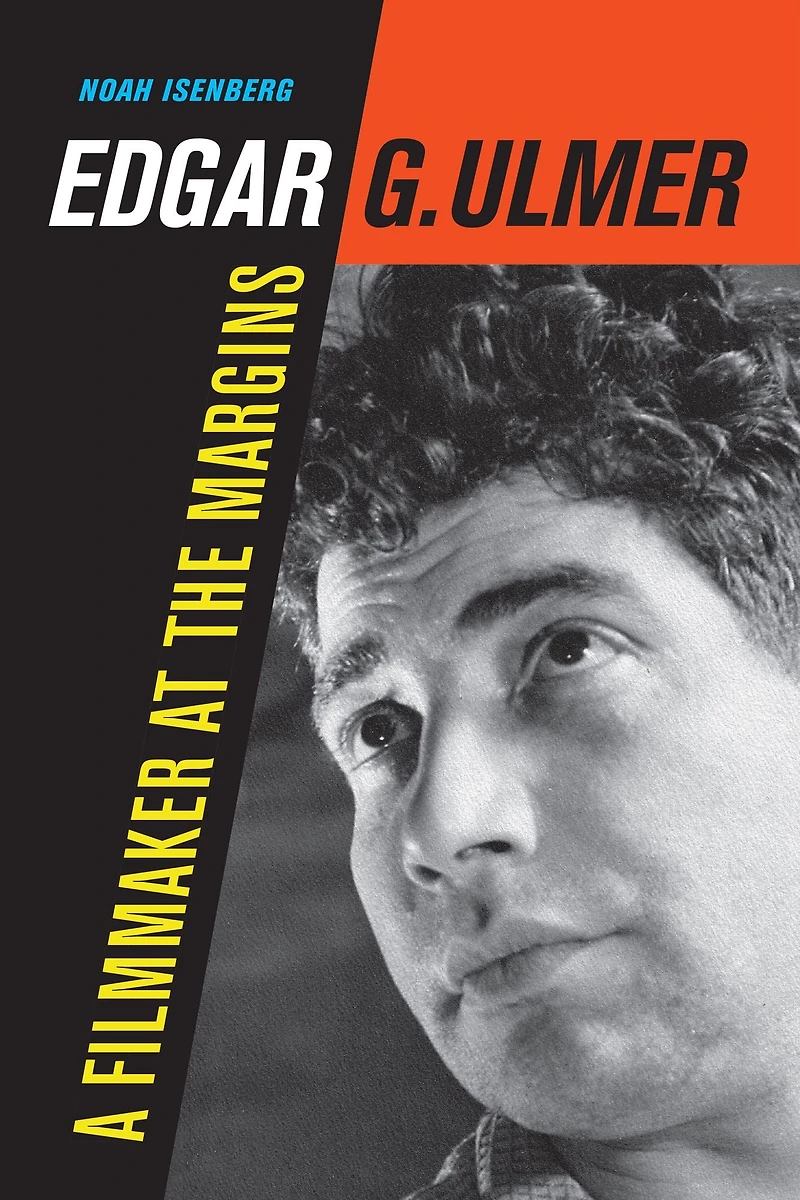
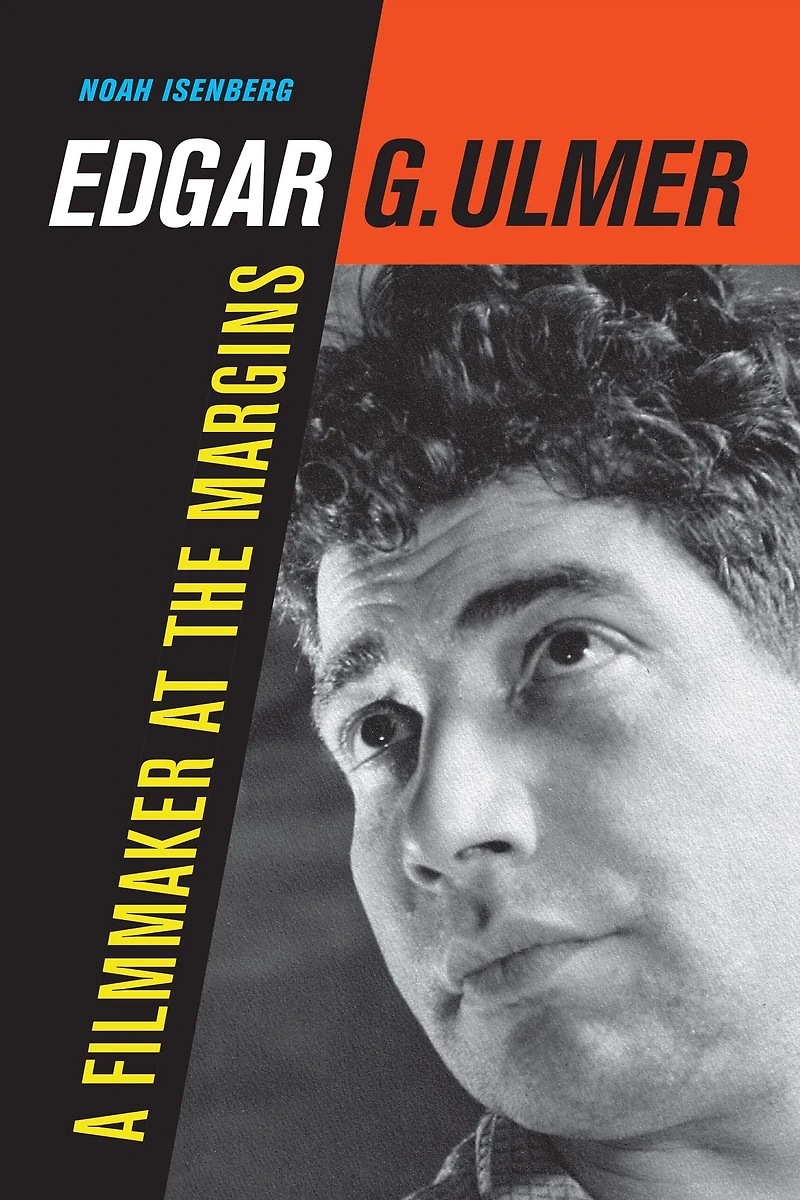
Edgar G. Ulmer: A Filmmaker at the Margins
Barnes and Noble
Loading Inventory...

Edgar G. Ulmer: A Filmmaker at the Margins in Bloomington, MN
By Barnes & Noble
Current price: $27.95

Edgar G. Ulmer: A Filmmaker at the Margins in Bloomington, MN
Current price: $27.95
Loading Inventory...
Size: EBook
Edgar G. Ulmer is perhaps best known today for Detour, often considered the epitome of a certain noir style that transcends its Blist origins. But in his lifetime he never achieved the celebrity of fellow Austrian and German émigré directors like Billy Wilder, Otto Preminger, Fred Zinnemann, and Robert Siodmak, and spent most of his career as an itinerant filmmaker earning modest paychecks for films frequently overlooked or forgotten. In this fascinating account of a career spent on the margins of Hollywood, Noah Isenberg sheds new light on littleknown details of Ulmer’s personal life and his wideranging, eclectic films: features aimed at minority audiences, horror and scifi flicks, genre pictures made in the United States and abroad. As he follows the twists and turns of Ulmer’s fortunes, Isenberg shows that Ulmer’s unconventional path was in many ways more typical than that of his more illustrious colleagues, advancing a new understanding of lowbudget filmmaking in the studio era and beyond.
Edgar G. Ulmer is perhaps best known today for Detour, often considered the epitome of a certain noir style that transcends its Blist origins. But in his lifetime he never achieved the celebrity of fellow Austrian and German émigré directors like Billy Wilder, Otto Preminger, Fred Zinnemann, and Robert Siodmak, and spent most of his career as an itinerant filmmaker earning modest paychecks for films frequently overlooked or forgotten. In this fascinating account of a career spent on the margins of Hollywood, Noah Isenberg sheds new light on littleknown details of Ulmer’s personal life and his wideranging, eclectic films: features aimed at minority audiences, horror and scifi flicks, genre pictures made in the United States and abroad. As he follows the twists and turns of Ulmer’s fortunes, Isenberg shows that Ulmer’s unconventional path was in many ways more typical than that of his more illustrious colleagues, advancing a new understanding of lowbudget filmmaking in the studio era and beyond.
















Find at Mall of America® in Bloomington, MN
Visit at Mall of America® in Bloomington, MN