


Home
Ecosystem Function Heterogeneous Landscapes
Barnes and Noble
Loading Inventory...
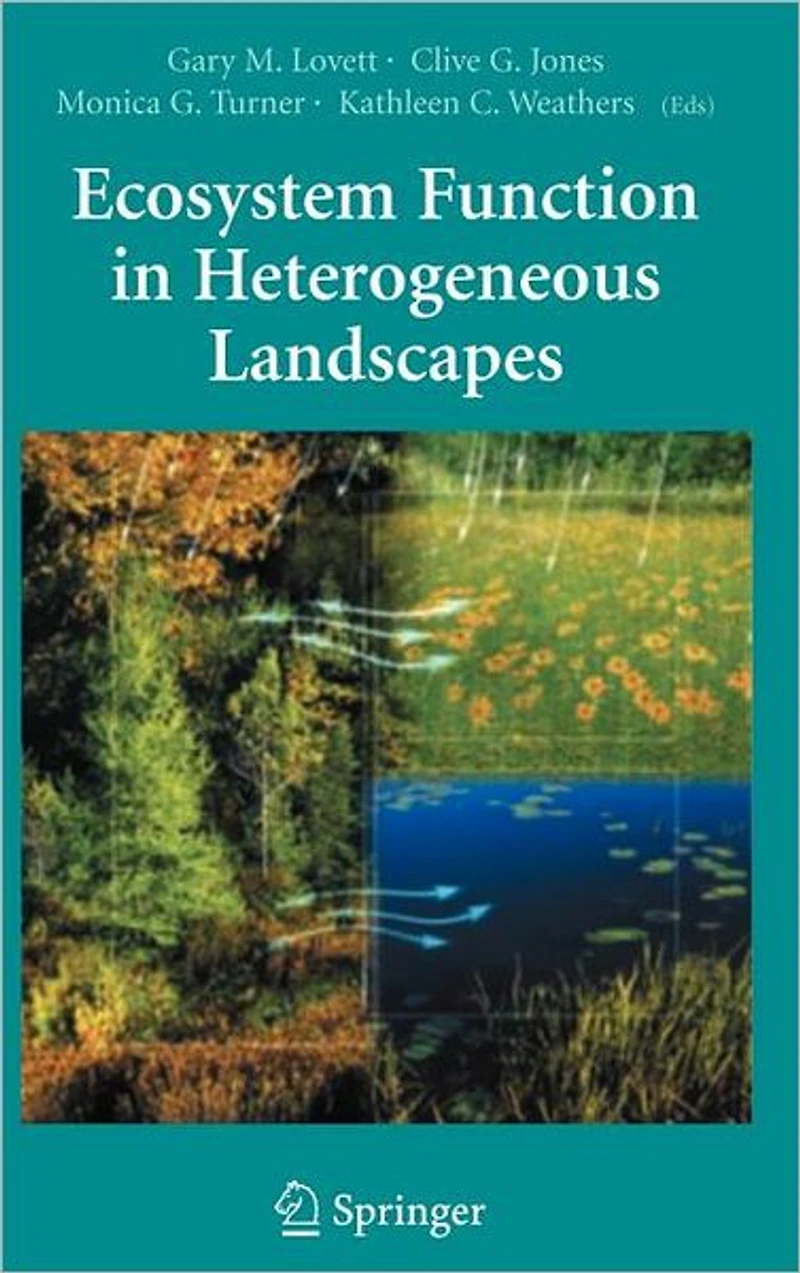
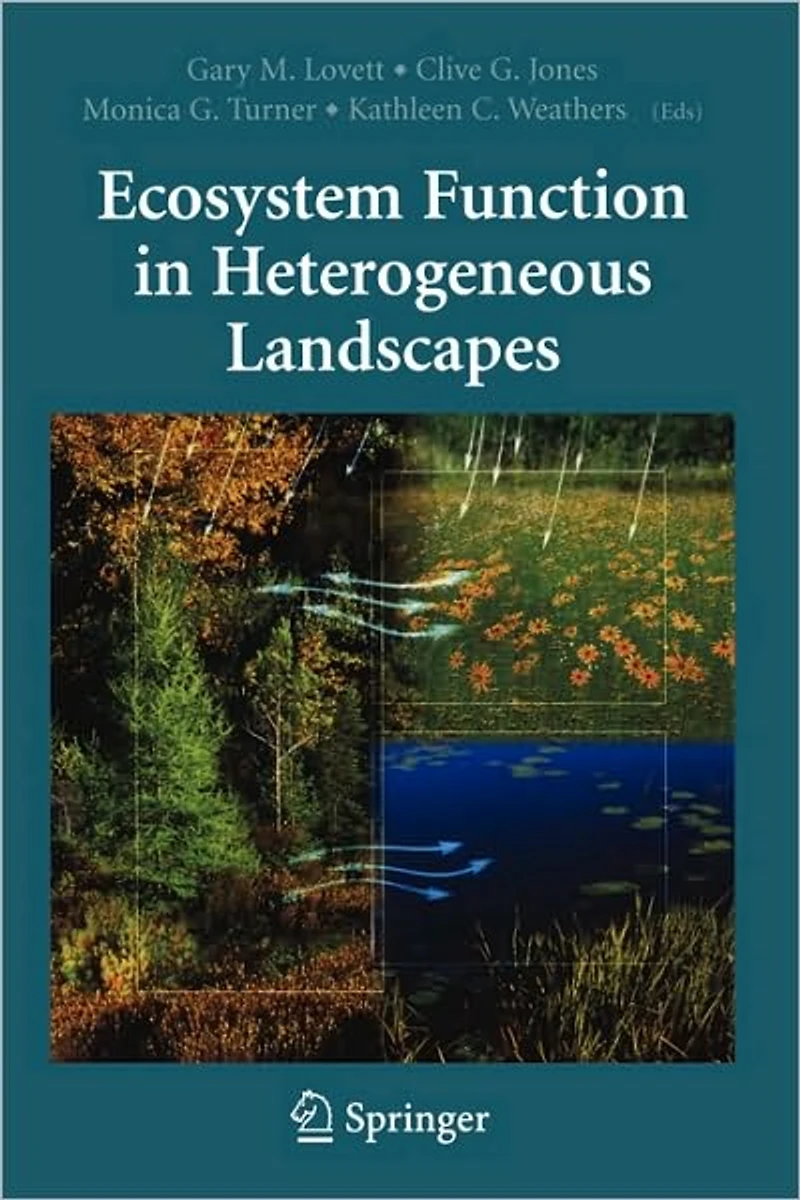
Ecosystem Function Heterogeneous Landscapes in Bloomington, MN
By Barnes & Noble
Current price: $169.99

Ecosystem Function Heterogeneous Landscapes in Bloomington, MN
Current price: $169.99
Loading Inventory...
Size: Hardcover
Among the most difficult problems in the life sciences is the challenge to understand the details of how ecosystems/watersheds/landscapes function. Yet,the welfare of all life,not just the human species,depends upon the s- cessful functioning of diverse and complicated ecosystems, each with va- ous dimensions and compositions. Central to this “working” is the dominance, and to a major extent control, of ecosystems by organisms, which means that these systems are constantly changing as the component organisms change and evolve. Such changes increase the challenge to understand the functioning of ecosystems and landscapes. Moreover,und- standing the interactions among the myriad components of these systems is mind-boggling as there are scores of biotic (probably many thousands of species when the microbial components are fully enumerated through genomics) and countless abiotic (ions, molecules, and compounds) entities, all simultaneously interacting and responding to diverse external factors to produce functional or dysfunctional environments for life. This book focuses on the problems of connectedness and ecosystem fu- tioning. It is difficult enough to understand how an ecosystem functions when it is considered in isolation, but all ecosystems are open and c- nected to everything else. Clearly, the inputs to any ecosystem are the o- puts from others and vice versa, and as such theuxes represent major, if not critical, points for managing or changing the overall functioning of an ecosystem or landscape. A major challenge is to find appropriate conceptual frameworks to address these complicated problems.
Among the most difficult problems in the life sciences is the challenge to understand the details of how ecosystems/watersheds/landscapes function. Yet,the welfare of all life,not just the human species,depends upon the s- cessful functioning of diverse and complicated ecosystems, each with va- ous dimensions and compositions. Central to this “working” is the dominance, and to a major extent control, of ecosystems by organisms, which means that these systems are constantly changing as the component organisms change and evolve. Such changes increase the challenge to understand the functioning of ecosystems and landscapes. Moreover,und- standing the interactions among the myriad components of these systems is mind-boggling as there are scores of biotic (probably many thousands of species when the microbial components are fully enumerated through genomics) and countless abiotic (ions, molecules, and compounds) entities, all simultaneously interacting and responding to diverse external factors to produce functional or dysfunctional environments for life. This book focuses on the problems of connectedness and ecosystem fu- tioning. It is difficult enough to understand how an ecosystem functions when it is considered in isolation, but all ecosystems are open and c- nected to everything else. Clearly, the inputs to any ecosystem are the o- puts from others and vice versa, and as such theuxes represent major, if not critical, points for managing or changing the overall functioning of an ecosystem or landscape. A major challenge is to find appropriate conceptual frameworks to address these complicated problems.
Shop Similar Products









Find at Mall of America® in Bloomington, MN
Visit at Mall of America® in Bloomington, MN