


Home
Drama Kings: Players and Publics the Re-creation of Peking Opera, 1870-1937
Barnes and Noble
Loading Inventory...
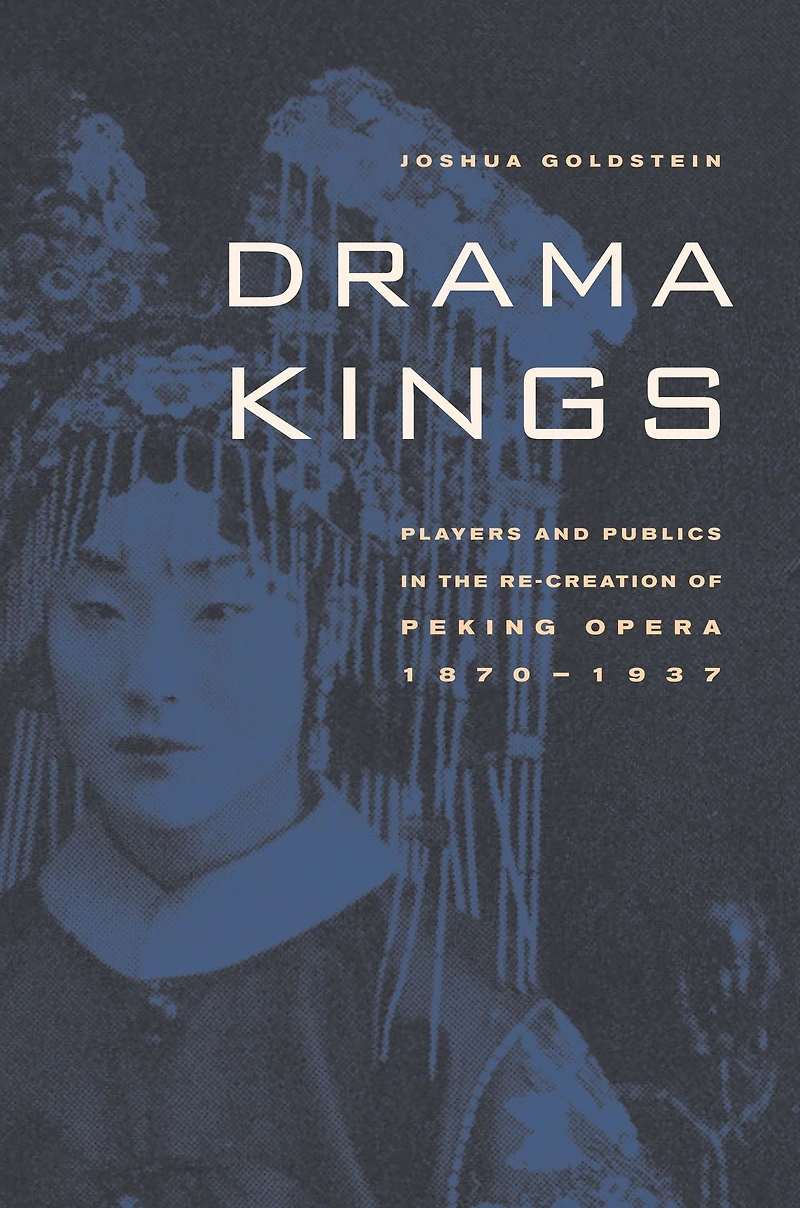
Drama Kings: Players and Publics the Re-creation of Peking Opera, 1870-1937 in Bloomington, MN
By Barnes & Noble
Current price: $85.00

Drama Kings: Players and Publics the Re-creation of Peking Opera, 1870-1937 in Bloomington, MN
Current price: $85.00
Loading Inventory...
Size: EBook
In this colorful and detailed history, Joshua Goldstein describes the formation of the Peking opera in late Qing and its subsequent rise and recreation as the epitome of the Chinese national culture in Republican era China. Providing a fascinating look into the lives of some of the opera’s key actors, he explores their methods for earning a living; their status in an everchanging society; the methods by which theaters functioned; the nature and content of performances; audience makeup; and the larger relationship between Peking opera and Chinese nationalism. Propelled by a synergy of the commercial and the political patronage from the Qing court in Beijing to modern theaters in Shanghai and Tianjin, Peking opera rose to national prominence. The genre’s star actors, particularly male crossdressing performers led by the exquisite Mei Lanfang and the “Four Great Female Impersonators” became media celebrities, models of modern fashion and world travel. Ironically, as it became increasingly entrenched in modern commercial networks, Peking opera was increasingly framed in postMay fourth discourses as profoundly traditional. Drama Kings demonstrates that the process of reforming and marketing Peking opera as a national genre was integrally involved with process of colonial modernity, shifting gender roles, the rise of capitalist visual culture, and new technologies of public discipline that became increasingly prevalent in urban China in the Republican era.
In this colorful and detailed history, Joshua Goldstein describes the formation of the Peking opera in late Qing and its subsequent rise and recreation as the epitome of the Chinese national culture in Republican era China. Providing a fascinating look into the lives of some of the opera’s key actors, he explores their methods for earning a living; their status in an everchanging society; the methods by which theaters functioned; the nature and content of performances; audience makeup; and the larger relationship between Peking opera and Chinese nationalism. Propelled by a synergy of the commercial and the political patronage from the Qing court in Beijing to modern theaters in Shanghai and Tianjin, Peking opera rose to national prominence. The genre’s star actors, particularly male crossdressing performers led by the exquisite Mei Lanfang and the “Four Great Female Impersonators” became media celebrities, models of modern fashion and world travel. Ironically, as it became increasingly entrenched in modern commercial networks, Peking opera was increasingly framed in postMay fourth discourses as profoundly traditional. Drama Kings demonstrates that the process of reforming and marketing Peking opera as a national genre was integrally involved with process of colonial modernity, shifting gender roles, the rise of capitalist visual culture, and new technologies of public discipline that became increasingly prevalent in urban China in the Republican era.
Shop Similar Products









Find at Mall of America® in Bloomington, MN
Visit at Mall of America® in Bloomington, MN