


Home
Double Paradox: Rapid Growth and Rising Corruption in China
Barnes and Noble
Loading Inventory...
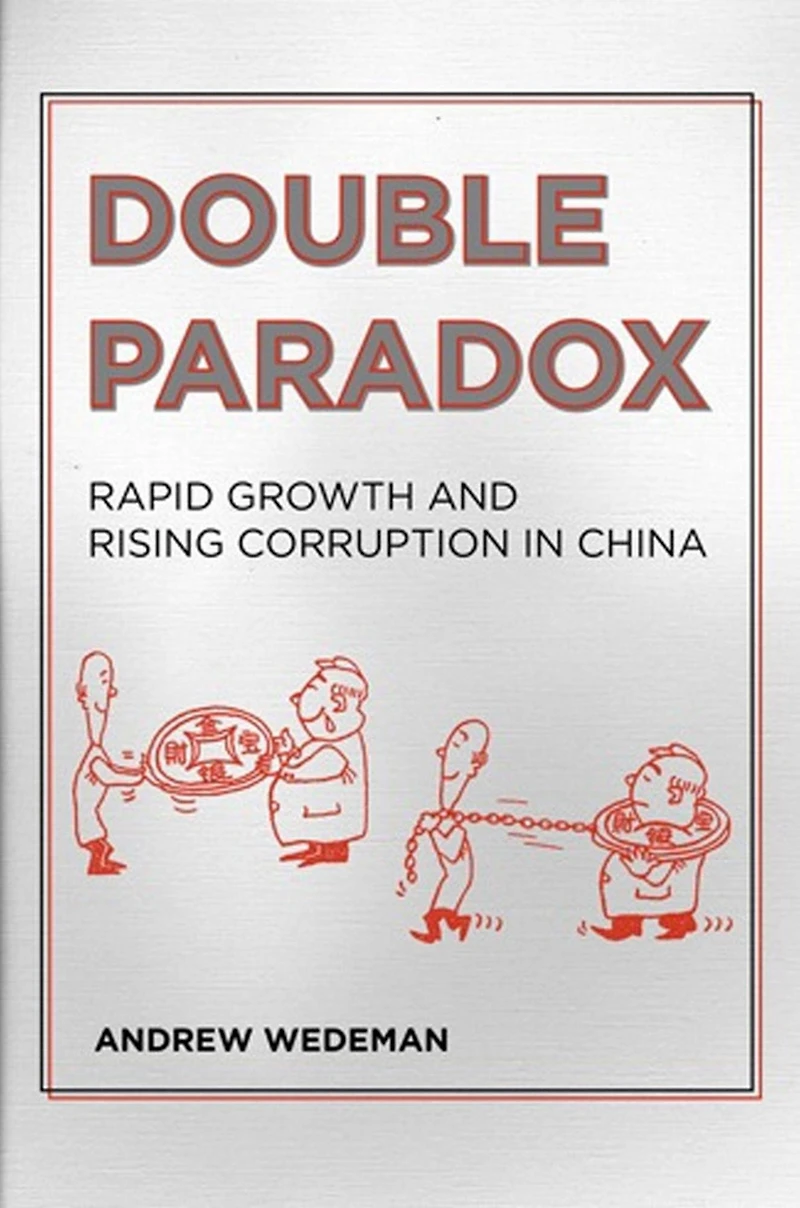
Double Paradox: Rapid Growth and Rising Corruption in China in Bloomington, MN
By Barnes & Noble
Current price: $165.00

Double Paradox: Rapid Growth and Rising Corruption in China in Bloomington, MN
Current price: $165.00
Loading Inventory...
Size: EBook
According to conventional wisdom, rising corruption reduces economic growth. And yet, between 1978 and 2010, even as officials were looting state coffers, extorting bribes, raking in kickbacks, and scraping off rents at unprecedented rates, the Chinese economy grew at an average annual rate of 9 percent. In Double Paradox, Andrew Wedeman seeks to explain why the Chinese economy performed so well despite widespread corruption at almost kleptocratic levels.Wedeman finds that the Chinese economy was able to survive predatory corruption because corruption did not explode until after economic reforms had unleashed dynamic growth. To a considerable extent corruption was also a by-product of the transfer of undervalued assets from the state to the emerging private and corporate sectors and a scramble to capture the windfall profits created by their transfer. Perhaps most critically, an anti-corruption campaign, however flawed, has proved sufficient to prevent corruption from spiraling out of control. Drawing on more than three decades of data from China—as well as examples of the interplay between corruption and growth in South Korea, Taiwan, Equatorial Guinea, and other nations in Africa and the Caribbean—Wedeman cautions that rapid growth requires not only ongoing and improved anticorruption efforts but also consolidated and strengthened property rights.
According to conventional wisdom, rising corruption reduces economic growth. And yet, between 1978 and 2010, even as officials were looting state coffers, extorting bribes, raking in kickbacks, and scraping off rents at unprecedented rates, the Chinese economy grew at an average annual rate of 9 percent. In Double Paradox, Andrew Wedeman seeks to explain why the Chinese economy performed so well despite widespread corruption at almost kleptocratic levels.Wedeman finds that the Chinese economy was able to survive predatory corruption because corruption did not explode until after economic reforms had unleashed dynamic growth. To a considerable extent corruption was also a by-product of the transfer of undervalued assets from the state to the emerging private and corporate sectors and a scramble to capture the windfall profits created by their transfer. Perhaps most critically, an anti-corruption campaign, however flawed, has proved sufficient to prevent corruption from spiraling out of control. Drawing on more than three decades of data from China—as well as examples of the interplay between corruption and growth in South Korea, Taiwan, Equatorial Guinea, and other nations in Africa and the Caribbean—Wedeman cautions that rapid growth requires not only ongoing and improved anticorruption efforts but also consolidated and strengthened property rights.
Shop Similar Products












Find at Mall of America® in Bloomington, MN
Visit at Mall of America® in Bloomington, MN