


Home
DNA Tumor Viruses: Oncogenic Mechanisms
Barnes and Noble
Loading Inventory...
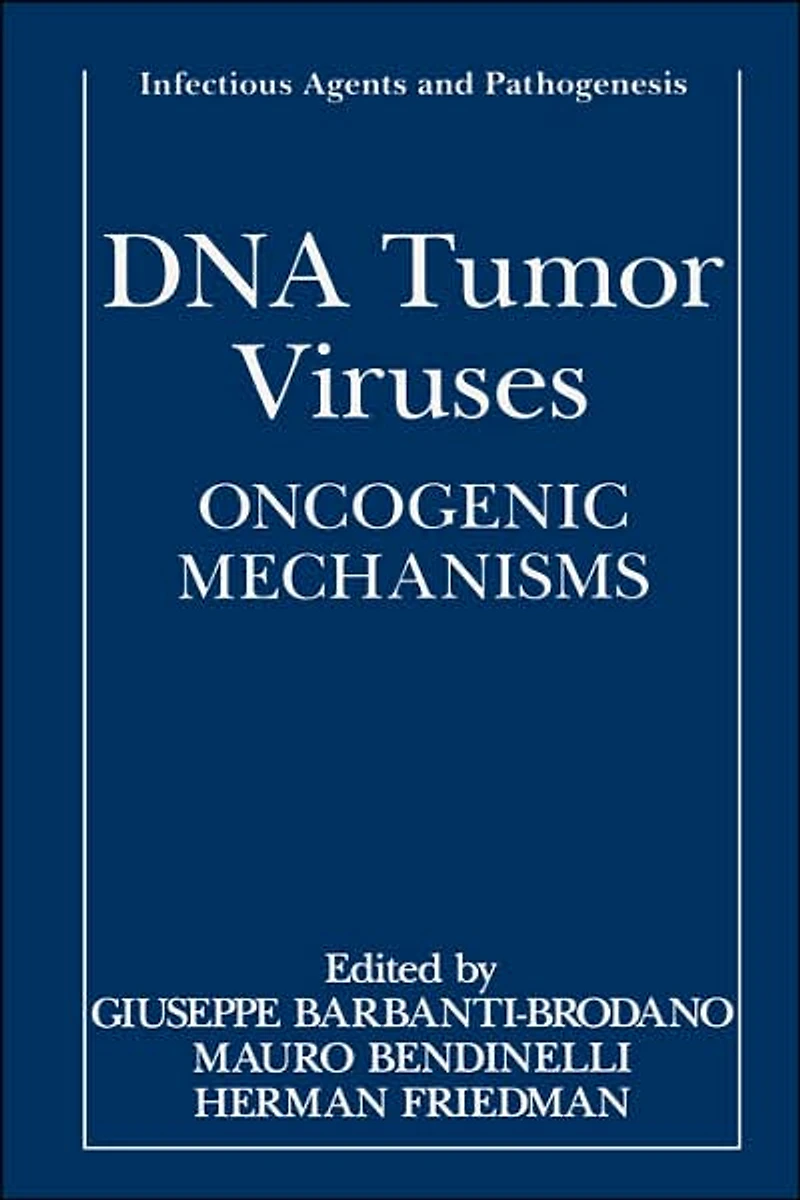
DNA Tumor Viruses: Oncogenic Mechanisms in Bloomington, MN
By Barnes & Noble
Current price: $219.99

DNA Tumor Viruses: Oncogenic Mechanisms in Bloomington, MN
Current price: $219.99
Loading Inventory...
Size: Hardcover
DNA tumor viruses have long been useful experimental models of carcinogenesis and have elucidated several important mechanisms of cell transformation. Research in recent years has shown that human tumors have a multifactorial nature and that some DNA tumor viruses may playa key role in their etiology. The aim of this book is to assess our knowledge of DNA tumor viruses by reviewing animal models, mechanisms of transformation, association with human tumors, and possi bilities of prevention and control by vaccination. Animal models of tumor virology have contributed significantly to our understanding of the epidemiology and pathogenesis of virus-induced tumors. Bovine papillomaviruses induce papillomas in the intestine of cattle. The papillomas undergo a transition to carcinomas in cows feeding on bracken fern, which pro duces a toxin with radiomimetic and immunosuppressive functions. This example of cooperation between a virus and chemical carcinogens parallels the cooperative role of human papillomaviruses (HPVs) and herpes simplex virus type 2 (HSV-2) with environmental carcinogens in the pathogenesis of cervical cancer. Likewise, hepaarcinomas appearing in woodchucks chronically infected by woodchuck hepatitis virus (WIN) provide strong support for the relationship between hepatitis B virus (HBV) infection and human hepaellular carcinoma. Also, the fact that WIN DNA integrates closely to cellular oncogenes suggests a possible molecular mechanism for the tumorigenesis induced by HBV.
DNA tumor viruses have long been useful experimental models of carcinogenesis and have elucidated several important mechanisms of cell transformation. Research in recent years has shown that human tumors have a multifactorial nature and that some DNA tumor viruses may playa key role in their etiology. The aim of this book is to assess our knowledge of DNA tumor viruses by reviewing animal models, mechanisms of transformation, association with human tumors, and possi bilities of prevention and control by vaccination. Animal models of tumor virology have contributed significantly to our understanding of the epidemiology and pathogenesis of virus-induced tumors. Bovine papillomaviruses induce papillomas in the intestine of cattle. The papillomas undergo a transition to carcinomas in cows feeding on bracken fern, which pro duces a toxin with radiomimetic and immunosuppressive functions. This example of cooperation between a virus and chemical carcinogens parallels the cooperative role of human papillomaviruses (HPVs) and herpes simplex virus type 2 (HSV-2) with environmental carcinogens in the pathogenesis of cervical cancer. Likewise, hepaarcinomas appearing in woodchucks chronically infected by woodchuck hepatitis virus (WIN) provide strong support for the relationship between hepatitis B virus (HBV) infection and human hepaellular carcinoma. Also, the fact that WIN DNA integrates closely to cellular oncogenes suggests a possible molecular mechanism for the tumorigenesis induced by HBV.
Shop Similar Products











Find at Mall of America® in Bloomington, MN
Visit at Mall of America® in Bloomington, MN